An experience built around two seemingly distant souls, who discover in music the language that allows them to connect, complement each other, and bring something truly extraordinary to life.
There are games built around familiar formulas, proven structures, and genre combinations that audiences have come to recognise over the years. They are the kind of projects that feel immediately accessible at first glance: reassuring in their familiarity, comfortable in their predictability, and firmly rooted within creative boundaries players already know well.
Then there are games that choose a very different path – one that is riskier, more demanding, but also far more ambitious. Games that are willing to bring together ideas that seem fundamentally incompatible, taking two distant creative identities and attempting to build something entirely new in the space between them. Because creating something truly original is not simply about introducing new mechanics or developing a distinctive visual style. It is about having the confidence to take concepts that, at least on paper, appear irreconcilable and finding a way to make them coexist. It is about believing that two very different genres, sensibilities, or design philosophies can still find common ground, a shared rhythm, and a unified voice.
That is no easy task. More often than not, the gap between certain ideas feels too wide to bridge. We tend to think of some genres as belonging to entirely separate worlds, too different in structure, tone, and intention to coexist without sacrificing something essential along the way. And in many cases, that assumption proves correct: the result can easily feel fragmented, inconsistent, or unable to establish a clear identity of its own.
Every so often, however, a project comes along that challenges those assumptions entirely. A project that does not merely compromise between two opposing ideas, but instead turns those differences into its greatest strength. A project that finds harmony where there should only be contrast, and balance where everything seemed destined to collide.
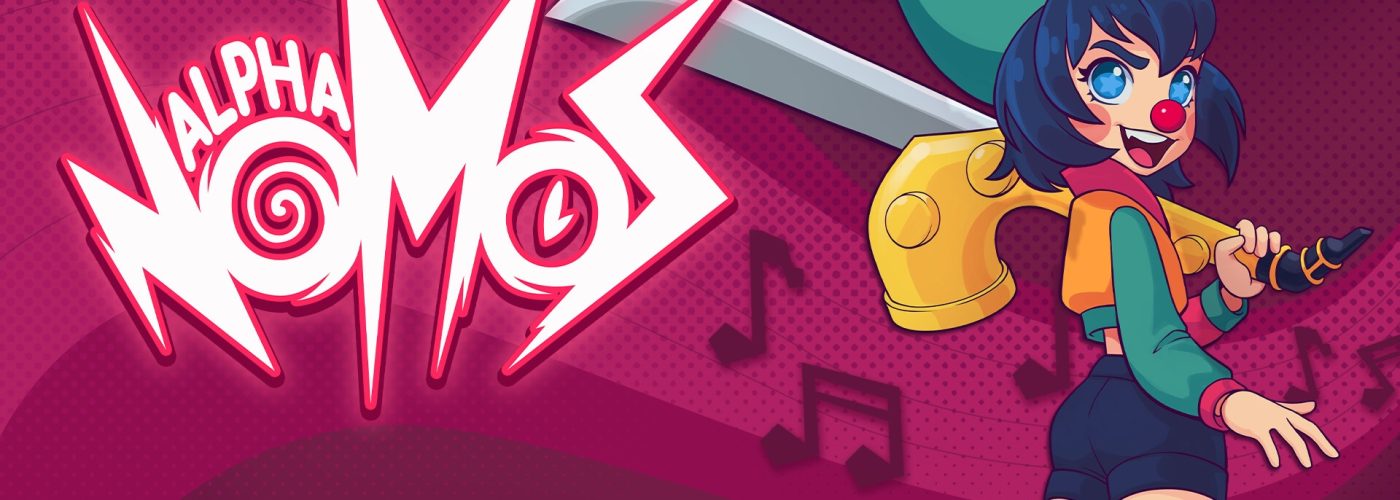
That is precisely the impression left by Alpha Nomos, the upcoming indie game from RibCage Games. It is an ambitious project built around one of the most difficult creative challenges imaginable: combining the precision and musicality of rhythm games with the unpredictability and intensity of an action roguelite. It is a game that seeks to blend timing and combat, instinct and strategy, structure and improvisation into a single experience.
At first glance, it sounds almost impossible to pull off. Rhythm games are defined by timing, precision, and coordination; roguelites, by contrast, thrive on chaos, experimentation, adaptation, and constant unpredictability. They are genres that speak very different languages and operate according to very different rules.
Yet Alpha Nomos appears determined to bridge that gap. Music is not treated as a simple accompaniment or aesthetic layer, but as the foundation of the experience itself: the force that shapes combat, guides player actions, and ties every mechanic together. In Alpha Nomos, rhythm is not just part of the game – it is the game.
What makes Alpha Nomos truly compelling, however, is not merely the originality of its concept, but the evident ambition of RibCage Games to craft a game with a distinct and recognizable identity. There is a genuine ambition behind Alpha Nomos to be more than simply an unusual genre hybrid. It wants to leave an impression, establish its own voice, and carve out a place for itself within an increasingly crowded indie landscape.
Perhaps that is what makes the project feel so intriguing. Alpha Nomos comes across as the product of passion, ambition, and a sincere desire to create something deeply personal – a game that is not only trying to entertain, but also to build atmosphere, emotion, and identity through the universal language of music.
With that in mind, we wanted to learn more. Drawn in by the project’s ambition and eager to better understand the creative vision behind it, we sat down with RibCage Games CEO and co-founder Itamar Berner to discuss Alpha Nomos in greater detail.
Here is what he had to tell us.
The Interview
Hello Itamar, and a very warm welcome from the entire editorial team at indiegamesdevel.com. Thank you for kindly accepting our invitation and for joining us for this special deep dive dedicated to Alpha Nomos. Before we dive into the heart of the project and explore the ideas and vision behind the game, we’d love to take a step back and learn more about the journey that brought you here. With that in mind, could you tell us a bit more about yourself and your background? We’d love to hear how your relationship with video games first began, and what ultimately inspired you to pursue a career in this industry. Who is Itamar Berner beyond the role of developer, and what inspired you to venture into this creative and ever-evolving industry?
Thank you so much for having me, and for the warm welcome! We’re thrilled to be talking with indiegamesdevel.com.
First off, I want to make a small but very important clarification: while I am deeply involved in the project, I’m actually just the CEO of RibCage Games, not the main developer. The real magic happens thanks to our incredibly talented core team. We have Emil Lager as our CTO, Amir Buganov as our CCO, and Nataly Lepler leading as our Creative Director. They are the ones truly bringing Alpha Nomos to life every day.
As for my background, I’ve been working in the gaming industry for about six years now. I actually got my start over in the mobile gaming sector. It was a great place to learn the ropes of the business, but my heart has always belonged to PC gaming. I grew up playing and absolutely falling in love with deep, atmospheric RPGs like Fallout: New Vegas and Vampire: The Masquerade – Bloodlines. Those are the kinds of games that leave a lasting mark on you.
The leap to starting our own studio happened while we were working our regular day jobs. We just had this shared vision for what we wanted to create, and we realized there was a genuine opportunity in front of us. Eventually, we looked at each other and decided that if we wanted to make the games we were truly passionate about, we had to leave our comfort zones. So, we took the plunge, chased our dreams, and founded RibCage Games.
At indiegamesdevel.com, we believe that the best way to truly understand a creative work is to first get to know the people behind it: the voices, the hands, and the human stories that bring a project to life, far beyond what is too often reduced to the simple label of a “product.” With that in mind, we would love to learn more about the people and the journey behind your studio. Information about RibCage Games is still relatively limited, which naturally makes us curious about the story that led to its creation. Could you tell us how RibCage Games first came to life, who the people behind the team are, and what brought you together to start this adventure? More broadly, what values, ideas, or creative vision sit at the heart of your studio and guide the way you approach making games?
I really appreciate your focus on the human element behind the games. The story of RibCage Games is ultimately a story of finding the right people at the exact right time.
Much like my own background, our core team: Emil, Amir, and Nataly also came from years of working in the mobile gaming industry. We shared the exact same trajectory: we learned a great deal in mobile, but we all had this burning desire to pivot into the PC space to make the kinds of immersive, passion-driven games we truly wanted to play.
The team came together very organically over a few years. I actually met Nataly first at our old workplace. Through her, I became friends with her husband, Amir. Later on, Amir introduced me to Emil. The moment the four of us sat down together, it just clicked. We realized we all wanted the same thing. As for the name “RibCage Games,” I have to give full credit to Emil for that. He had been holding onto that name since he was a teenager, dreaming of one day starting his own studio. When we finally made it happen, the name just fit perfectly.
Another massive part of our studio’s DNA is our music. We partnered with Totem Warriors as our musical directors, headed by Juan Garcia-Herreros, who is renowned for his work with Hans Zimmer’s musical group. We had a chance meeting with Juan at Gamescom, and the synergy was instant. The level of understanding and raw artistry he brings to the project is simply irreplaceable.
If I had to boil down the core values guiding RibCage Games, it comes down to two main pillars. First, we are committed to making the best games we possibly can by constantly evolving alongside our community; direct contact and player feedback are baked into how we develop.
Second, and perhaps most importantly in today’s industry landscape: we create, we don’t generate. We believe in human-driven art, passion, and intentionality in every single frame and beat of our games.
Vision, personality, originality, and a truly unmistakable voice: these are often the qualities that define the most memorable experiences within the independent games landscape. Yet, in a scene as vast and diverse as today’s indie ecosystem, these elements can sometimes risk being overlooked, even though they are precisely what allow certain studios and projects to resonate more deeply and carve out a distinctive identity. Which of these qualities – or perhaps others that feel closer to your own sensibility – best capture the spirit of your team? What do you believe is the unique element that truly sets RibCage Games apart, both in terms of your creative identity and the games you bring to life?
If I had to choose the qualities that best capture the true spirit of RibCage Games, it would absolutely be our agility and our relentless drive. We are a team that simply does not give up.
In an industry as vast as this one, finding your unmistakable voice rarely happens on the first try. To get to where we are today, we’ve had to change our plans ten times over. We’ve traveled the world and we’ve constantly had to reinvent our own ideas. We are extremely agile; we try, we iterate, we pivot, and we try again, willing to do whatever it takes and work however long we need to achieve our goals.
That sheer grit is what ultimately allowed us to strike a chord, both metaphorically and literally. Because we were willing to tear down and rebuild our vision so many times, we finally discovered the unique element that sets RibCage Games and Alpha Nomos apart. We found a way to weave music so deeply into the gameplay that it becomes the heartbeat of the experience.
Ultimately, our creative identity is born from that resilience. It all points back to our core pillar. True creation is a journey, and we are willing to fight for our vision until it’s exactly right.
Before we dive into the heart of this deep dive, we want to begin with a question that reaches to the very soul of your journey: why Alpha Nomos? What was it about this project that ignited a fire within you, driving you to pour not just your vision and creativity, but your very hearts and selves into it as your debut? This is more than a question about a game:it’s about the human story behind it, the passion and the intimate connection that guided every choice, every beat, every fragment of the world you’ve painstakingly brought to life. Were there earlier ideas or experiments that led you here, or has Alpha Nomos been the dream you’ve carried with you from the very beginning, shaping the path of your creative journey?
To really get to the soul of Alpha Nomos, we have to go back to a game jam we participated in many years ago. That’s where the very first spark of this idea was born. We had explored a few other concepts before that, and we definitely had other ideas on the table, but when we hit on the core loop of Alpha Nomos, it just felt right. It was one of those rare moments where a concept grabs hold of you and demands to be made. From that initial game jam prototype, the project grew, honestly, in the most beautiful sense, almost like watching a baby grow and find its own identity.
What truly ignited the fire for us, and what made us pour our entire selves into this as our debut, was seeing the world come alive through the team’s hands. When I look at the incredible art that Nataly makes, or watch the fluid, expressive animations that Amir crafts, it breathes so much life into the world we’ve built. We completely fell in love with it.
But the final, most important piece of the puzzle has been our community. Sharing the game with our playtesters and feeling their genuine excitement with every single new version we put out… that is the ultimate fuel. We fell in love with Alpha Nomos first, but seeing the players fall in love with it too is what makes every late night and every difficult pivot completely worth it.
Alpha Nomos was conceived with the ambitious goal of blending two distinct genres – a rhythm game and an action roguelite – into a single, seamless, and immersive experience. While the concept may be simple to explain in words, bringing it to life as a fully playable game that balances precise mechanics, musicality, and player engagement is a remarkable challenge. Could you share the inspiration behind this concept, what drew you to pursue such a bold hybrid, and how you approached the creative and technical challenges involved in translating this vision into a living, playable world?
You hit the nail on the head. Blending a rhythm game with an action roguelite is incredibly easy to pitch in a single sentence, but executing it is a completely different beast.
The inspiration came from a very specific feeling: you know those moments when you’re playing a great action game and, just for a second, the action naturally syncs up with the background music? We looked at the rest of the market and thought to ourselves, “We like this, but we want more.” We believed that rhythm and action could go so much further together. We didn’t want the music to just be in the background; we wanted it to be the core of what we were making. The goal was to get the player into a flow state where they feel like they are part of a big jam session. When you play well musically, you play the game well.
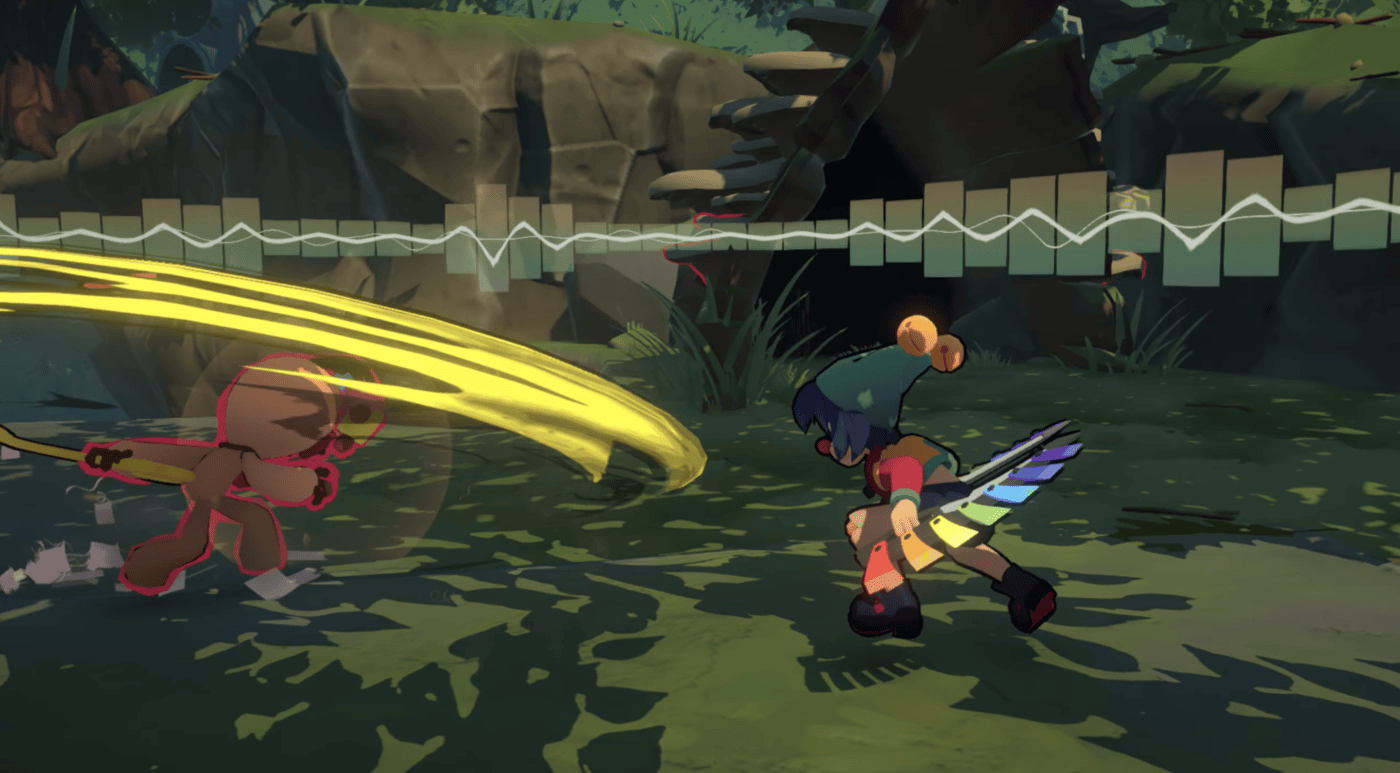
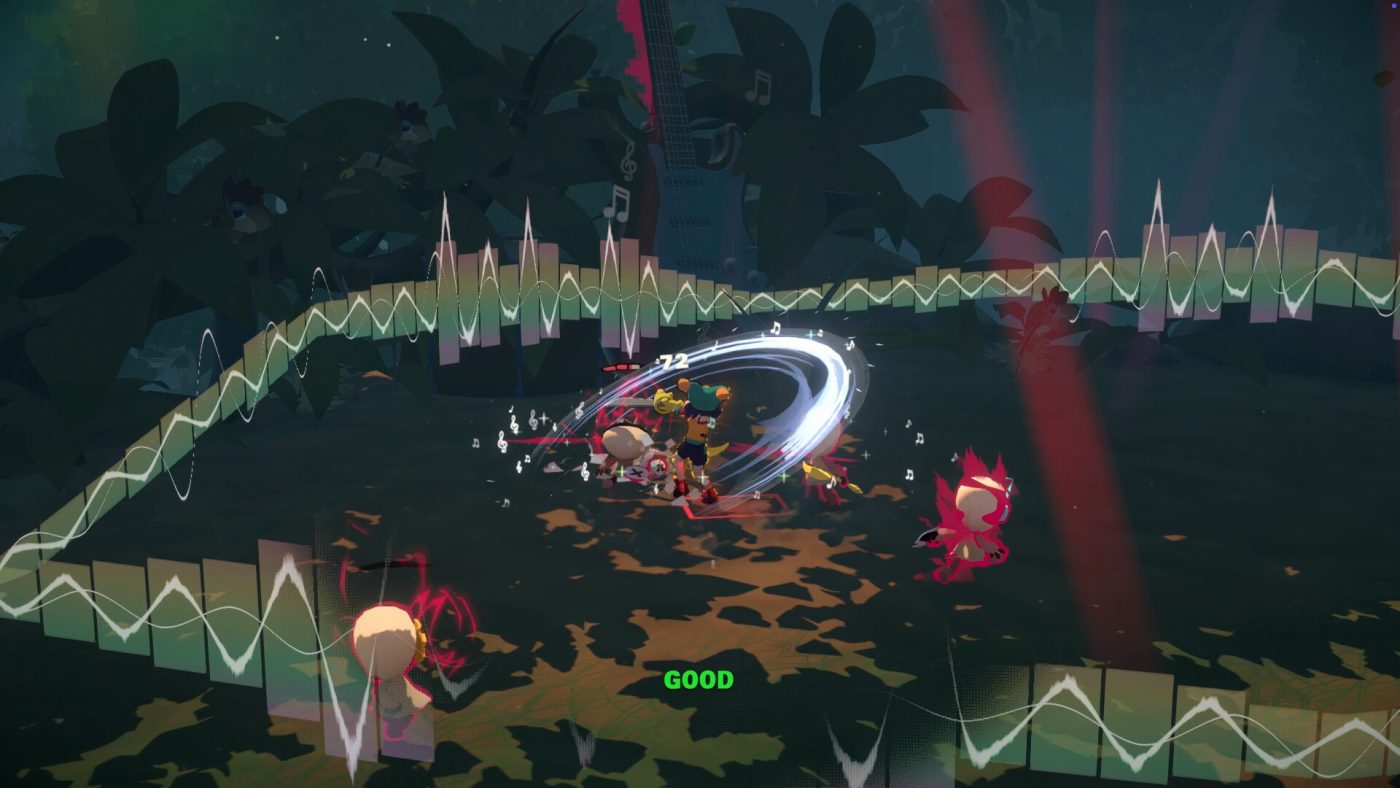
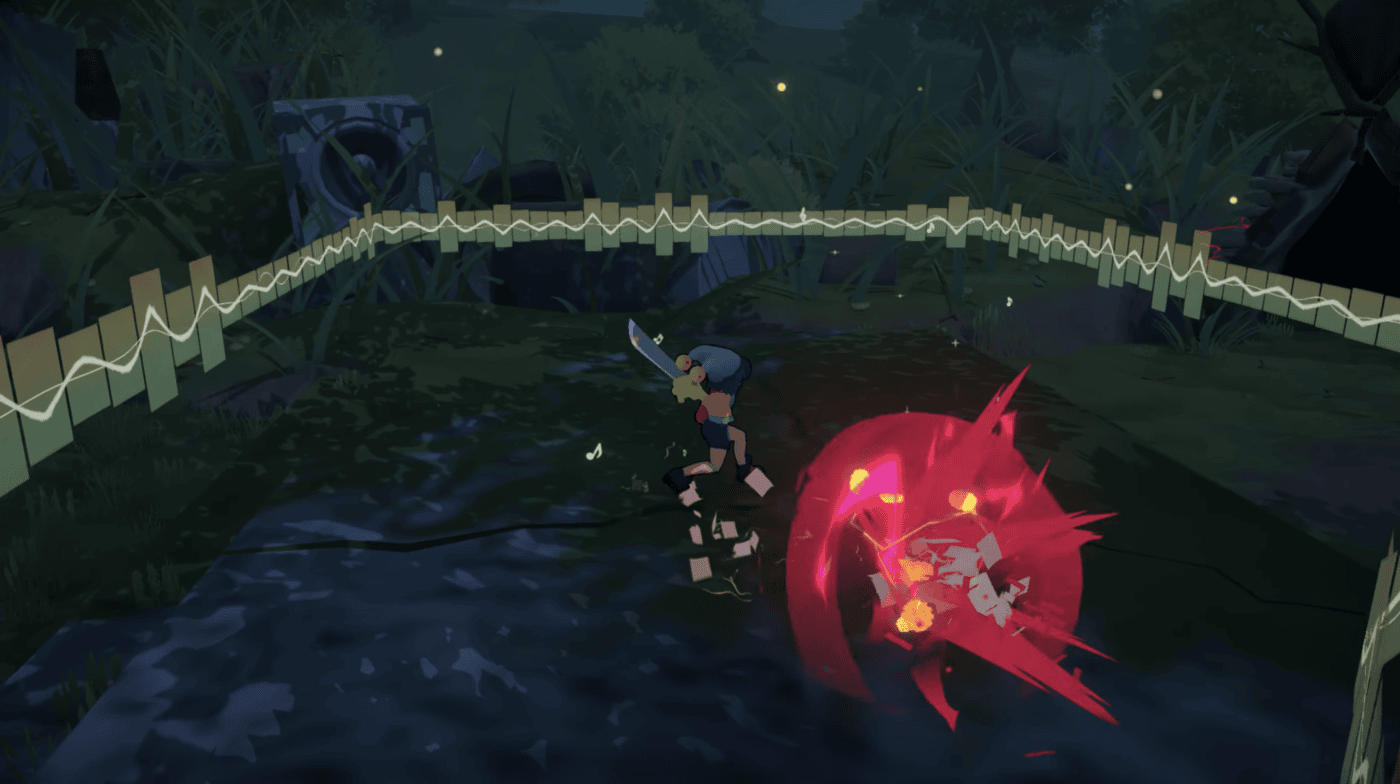
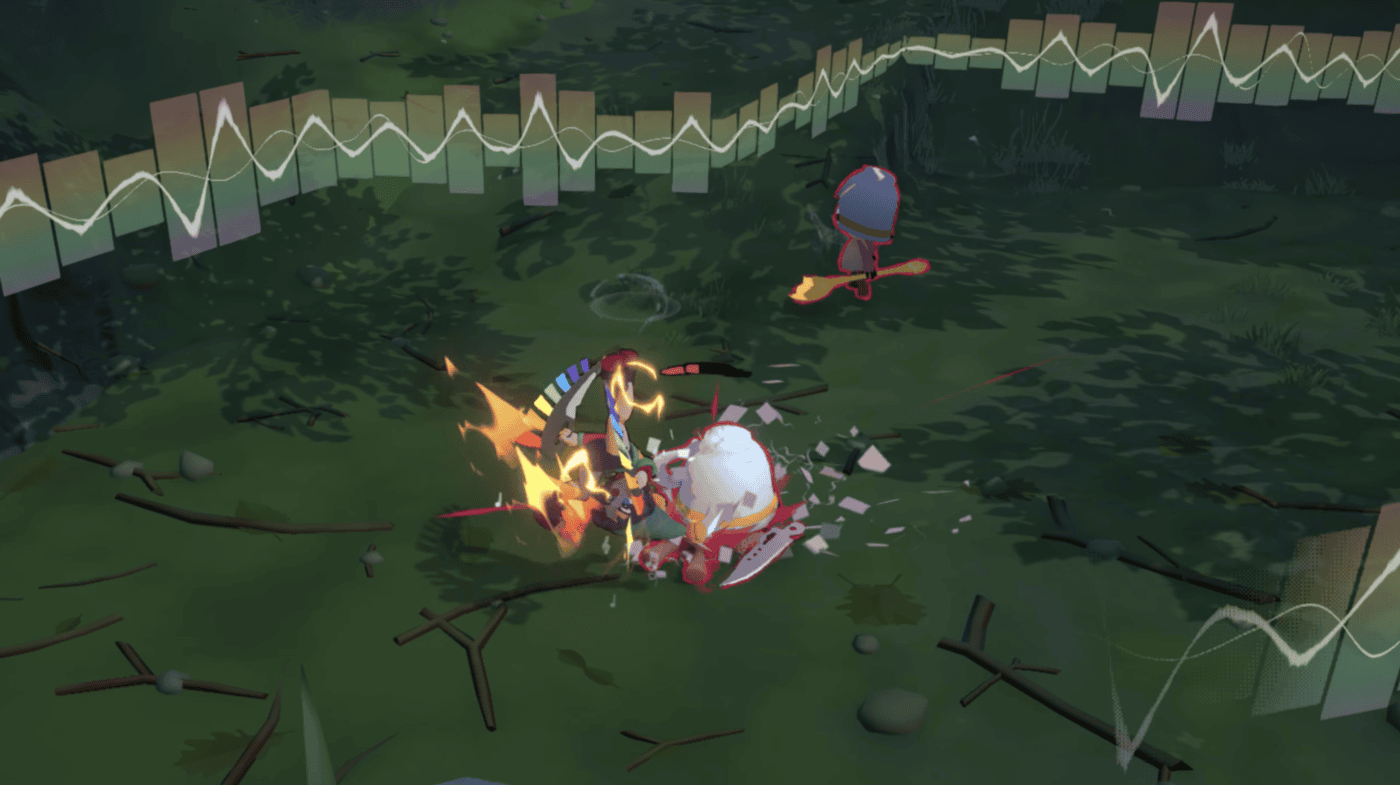
Approaching this creatively meant everything had to feed into each other. The game inspires the music, and then the music inspires the game. For instance, Nataly actually listens to the game’s soundtrack while she’s designing the characters so that the passion of the music is literally drawn into them. And Amir made sure that absolutely everything is on beat: your attacks, the enemies’ attacks, and even the environments are designed to move dynamically with the music. We use rhythm mechanics to make the action better, and the action makes the music interactive.
But on the technical side, bringing that vision to life was a massive hurdle. To get that level of frame-perfect synergy, we had to write many new systems for Unity completely by ourselves. We had to constantly iterate; I think we redid the combat loop at least 20 times. We refined everything over and over again until we finally achieved that seamless experience where the mechanics and the musicality became one living, playable world.
Alpha Nomos possesses a soul, a personality, and a voice entirely its own – one that refuses to merely imitate, instead offering a bold, singular vision of the genres it draws from. Looking closely at the two defining facets of the project – the melodic, harmonious heart of rhythm games and the chaotic, unpredictable pulse of action roguelites—what inspirations, works, or experiences most influenced each side? Were there specific games or references that guided your choices, or did you chart your own path, trusting intuition and experimentation to shape the game’s identity? How did these influences – or the act of venturing into the unknown – help forge the unmistakable voice of Alpha Nomos?
That is a huge compliment, thank you. We firmly believe that to make something truly great, you have to study the masters, and we are completely open about the fact that we stand on the shoulders of giants.
When you look at the chaotic, unpredictable pulse of our action roguelite mechanics, games like Hades were massive touchstones for us. They are absolute masterclasses in how to make combat feel visceral, rewarding, and infinitely replayable. On the melodic side, Crypt of the NecroDancer was obviously a huge pioneer for indie rhythm games, and more recently, Hi-Fi Rush proved just how exhilarating and joyful a character-driven rhythm-action game can be.
But honestly, beyond just those specific titles, one of our biggest ongoing inspirations is the incredibly talented worldwide game dev community. Seeing the passion and boundary-pushing ideas coming from other indie studios constantly fuels our own drive.
However, to forge the unmistakable voice of Alpha Nomos, we knew we couldn’t just copy the homework of the games we loved. We had to use them as a foundation and then venture into the unknown. That’s where our intuition and experimentation took over – specifically in how we made the music truly interactive, rather than just a backing track you press buttons to. We took the tight combat loops of games like Hades and the rhythmic joy of Hi-Fi Rush, and filtered them through our own studio’s chaotic, handcrafted identity to chart our own path.
Alpha Nomos is a game where music is not just part of the experience – it is its very soul, its heartbeat, and the thread that ties every moment together. With that in mind, we’d love to ask something simple yet essential: what does music mean to you, both personally and creatively? What emotions, values, or ideas does it carry for you, and what inspired you to create a project where music is not merely a backdrop, but the central, driving force that shapes every choice, every moment, and the very identity of the game?
To me, on a personal level, I truly believe that music is the very core of our universe. If you pay close enough attention, absolutely everything has a rhythm to it. Life itself is essentially a never-ending butterfly effect of sounds and synergies, constantly interacting with and building upon one another.
When you view music and rhythm through that lens, it becomes impossible to just slap a backing track onto a game and call it a day. That philosophy is the exact inspiration behind Alpha Nomos. We wanted to capture that universal synergy and put it directly into the players’ hands.
Creatively, this meant that music couldn’t just be a backdrop; it had to be the fundamental law of nature within our game’s world. When a player strikes an enemy on the beat or picks up a musical power-up, they aren’t just changing their stats – they are participating in that butterfly effect. Every choice and every action creates a ripple that dynamically alters the soundscape and the chaotic pulse of the combat. We built Alpha Nomos to reflect that core belief: that you aren’t just listening to the rhythm of the universe, you are actively playing a part in shaping it.
Building on the central role of music in Alpha Nomos, it is clear that its influence extends far beyond traditional accompaniment, encompassing not only emotional and narrative dimensions but also shaping the visual language, world-building, and the core philosophy of gameplay. Could you share how music is integrated across these multiple layers of the experience? In what ways does it transcend its role as a purely auditory element to become an immersive, interactive force, and how is it woven into the core gameplay mechanics to guide rhythm, player engagement, and the overall flow of the game?
In Alpha Nomos, music is integrated on many different levels – ranging from the expected to what we consider truly revolutionary for the genre.
To break down how it permeates every layer of the experience, I like to look at it through a few different lenses:
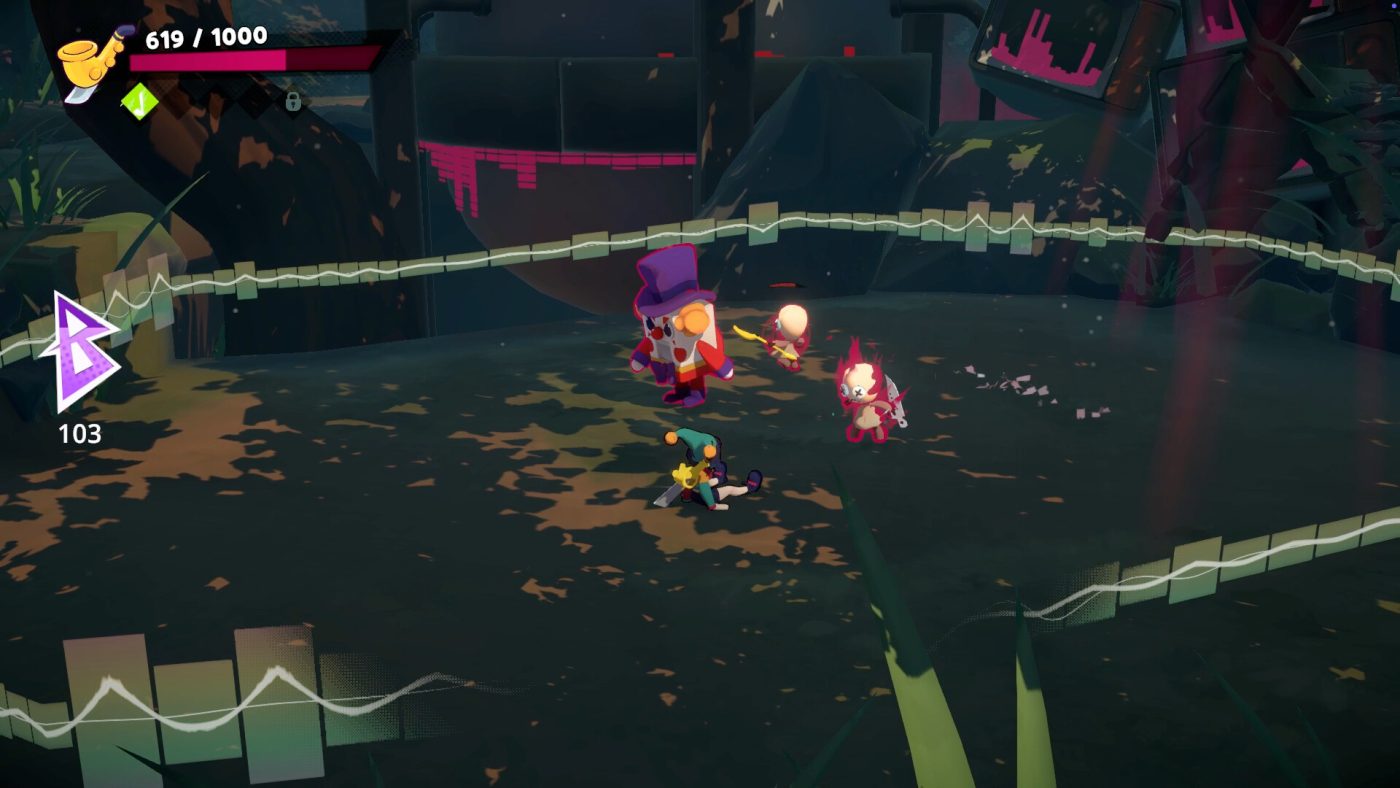
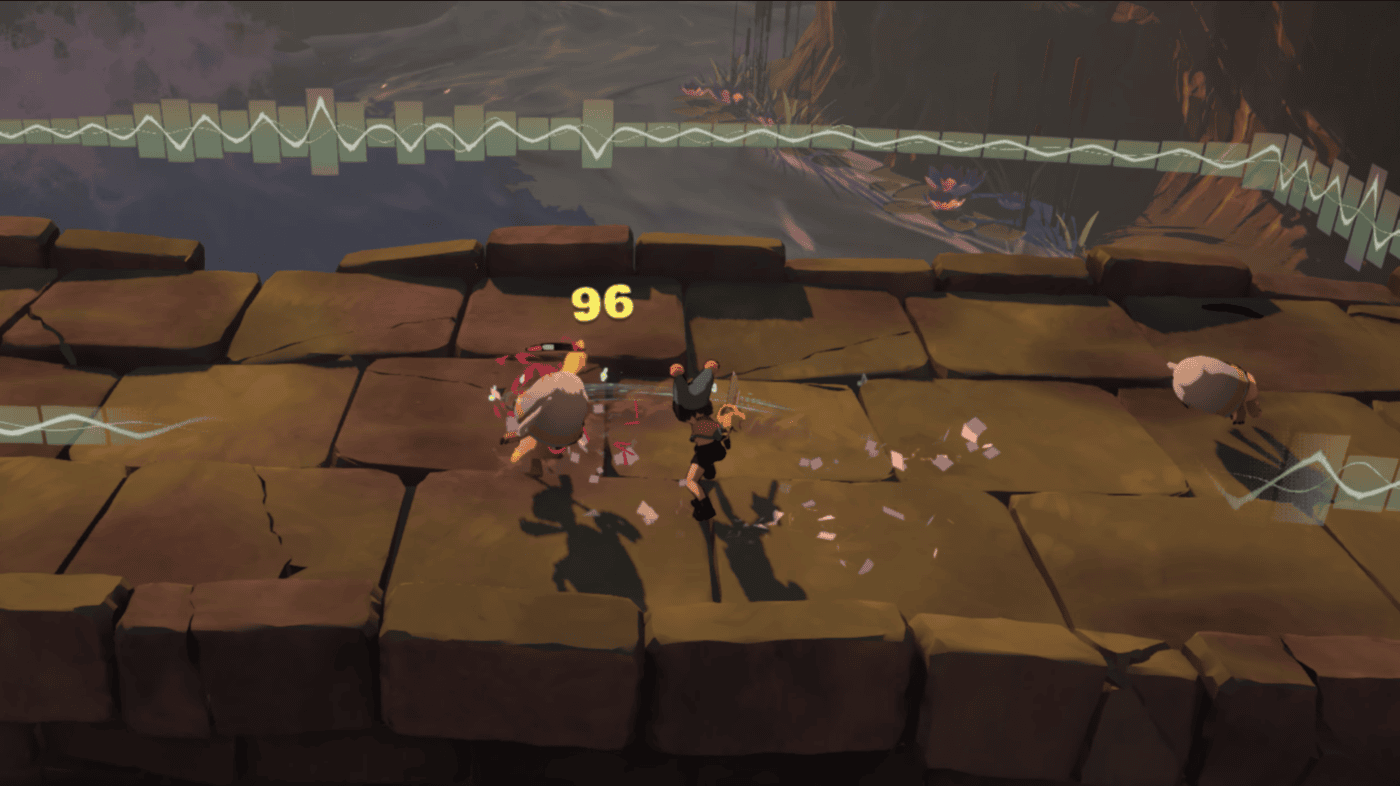
1. The Living World and Visuals: We use different tracks to establish the proper emotional feel for each area, but the integration goes much deeper than background music. During combat, the backing track dynamically shifts between different phases based on the intensity of the fight. Furthermore, the visuals of the game are entirely musically reactive. The environment pulses and shifts in response to amplitude, different frequencies, and the beat, making the world not just sound musical, but look and feel musical too.
2. The Rhythm of Combat: The beat literally dictates the flow of time and action in our engine. Enemy attacks always land on the beat, and their actions are timed in beats rather than seconds. For the player, this means timing is everything:
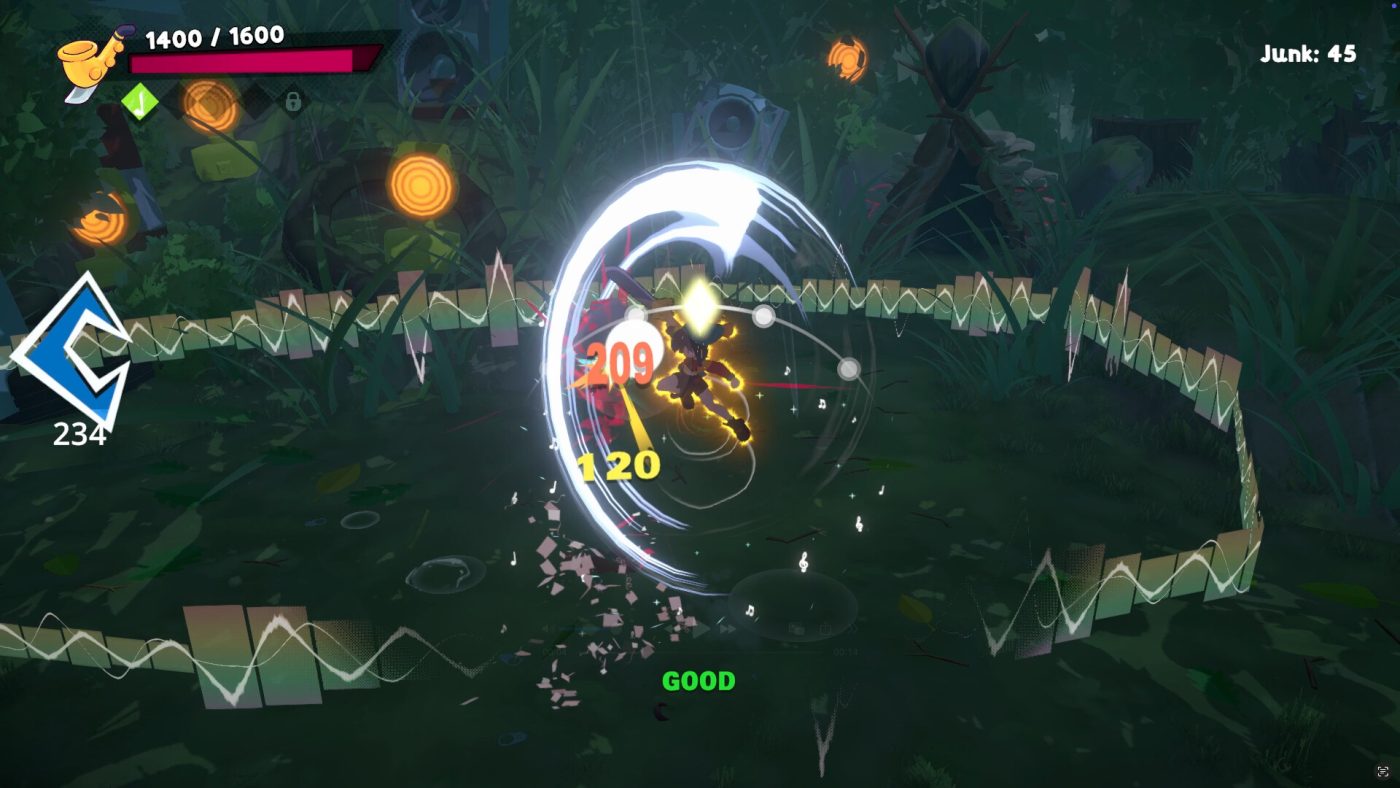
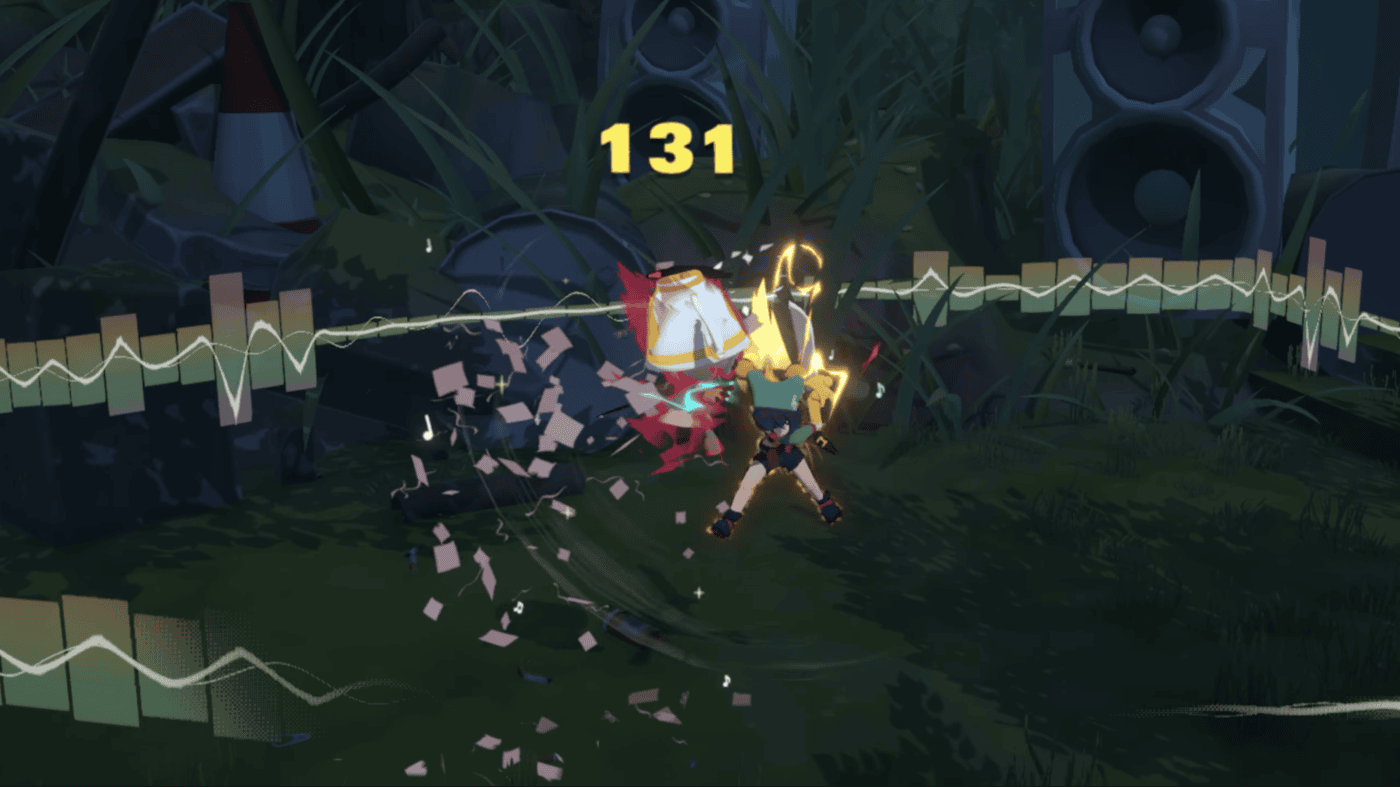
- On-Beat: When players attack on the beat, they deal more damage, trigger unique effects and animations, open up vastly more effective combo paths, and quickly raise their style meter.
- Off-Beat: If a player attacks off-beat, the game actually plays ‘wrong notes’ that we purposefully recorded by playing the instruments incorrectly. It instantly and organically communicates that you missed the timing.
3. Weapons as Instruments: We treat our combat exactly like playing an instrument. All attack sounds use the specific musical instrument that the equipped weapon is based on. These sounds have countless variations depending on player performance, the backing track, and the current combat phase. To give you an idea of the sheer scale of this: the basic combo of just the first weapon alone has more than 500 different sound files! We even describe our combos using sheet music. These ‘melodies’ are performed by using differently timed inputs or by holding inputs down, which is completely analogous to how you would play a real physical instrument.
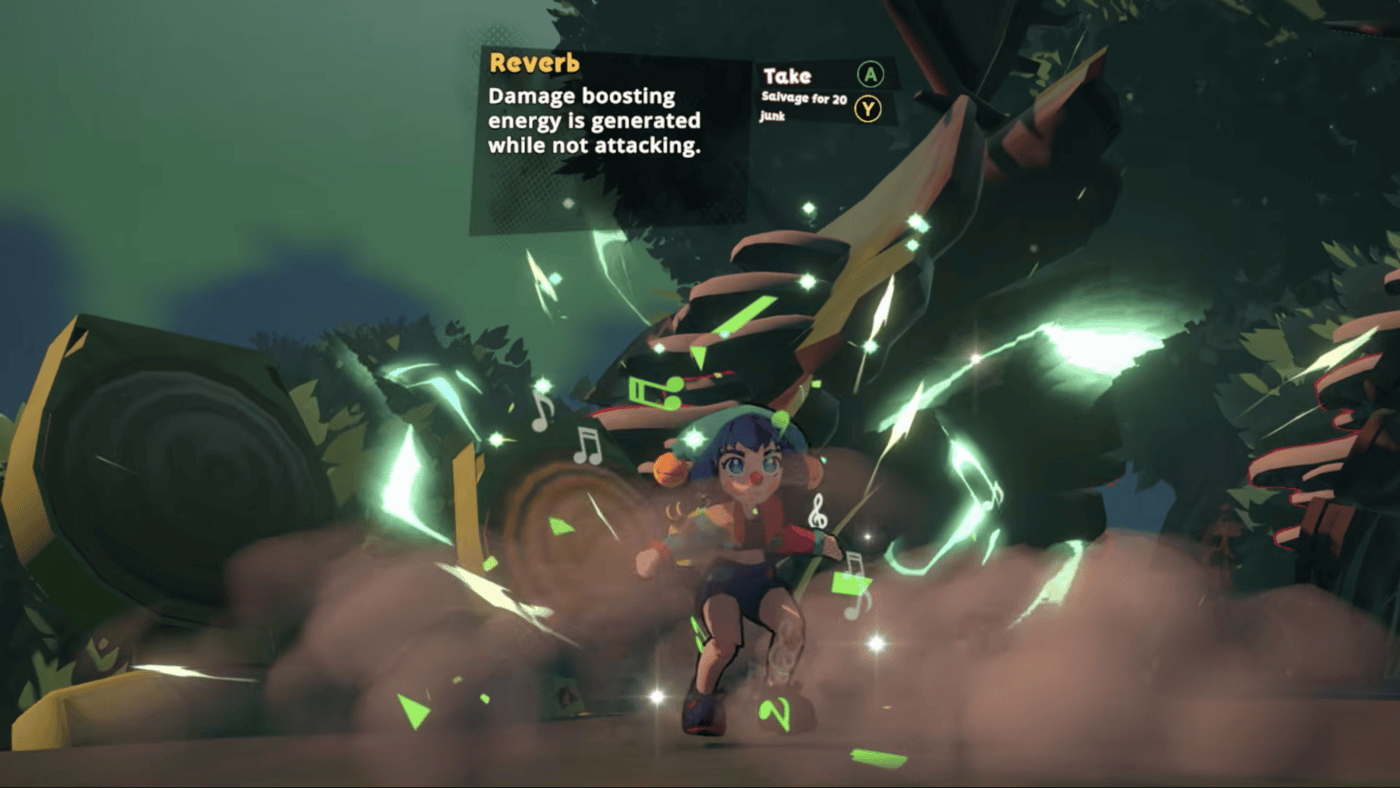
4. The Roguelite Effects: On the roguelite side, every single powerup is based on a real-world audio effect. In the demo, players use Reverb, Flanger, and Delay, and the full game will feature four more base powerups. Across the 21 unique evolutions in the demo, these powerups don’t just change your stats – they literally apply their namesake audio effect to the sound of your attacks. The mechanical function of the powerup is directly inspired by how that effect behaves in actual music production.
The End Result: Ultimately, the music you create with your weapons affects the game’s visualizers, making the player an active participant in a massive jam session. The connection is so fundamental that our playtesters actually have a hard time playing the game if the backing track is turned off.
My favorite thing to see is players getting so immersed that they time themselves to the BPM even between encounters. They will dodge unnecessarily down empty hallways just to keep their musical flow going, or time their combat patterns to specific melodies in the track. When we see that, we know we’ve achieved exactly what we set out to do.
Alpha Nomos revolves around profound and enigmatic questions: “What caused the destruction of this world? What is music? What is Alpha Nomos?” How did you ensure that these questions are not simply told, but truly experienced – woven seamlessly into the gameplay so that discovery and storytelling feel inseparable from player action? Focusing on Cello, the protagonist, in what ways did her identity, abilities, and character arc shape the core gameplay and overall player experience? Are there moments where her emotional journey is intentionally mirrored in the music and combat system, allowing players to feel her story as viscerally as they play it?
To ensure these profound questions are truly experienced rather than just told, we focused on entrenching the narrative directly into the gameplay loop. We never want the player to feel like the story is pausing the game; they should feel inseparable. We achieve this through three main pillars:
1. The Emotional Soundscape: With the incredible help of Totem Warriors, our musical tracks were crafted specifically to mirror what Cello and the world are experiencing. The music is an active narrative device. For example, during the tutorial, the actual beat of the game kicks in the exact moment Cello wakes up, instantly linking her consciousness to the rhythm. Conversely, when you find a friendly NPC, the music shifts to a more upbeat, calming track layered over the ambient sound of running water. It subconsciously tells the player, and Cello, that they have found a rare moment of safety.
2. Uncovering the Mystery Through Inhabitants: The world of Alpha Nomos is an inescapable, distorted place, and the player learns about its destruction organically through the people who live there. Our cast has rich backstories and complex motivations. As you interact with them, they slowly reveal the lore: why they initially don’t trust Cello, what the world was like before she arrived, and the truth about what happened to her friends – who the locals view in a very different light than Cello does.
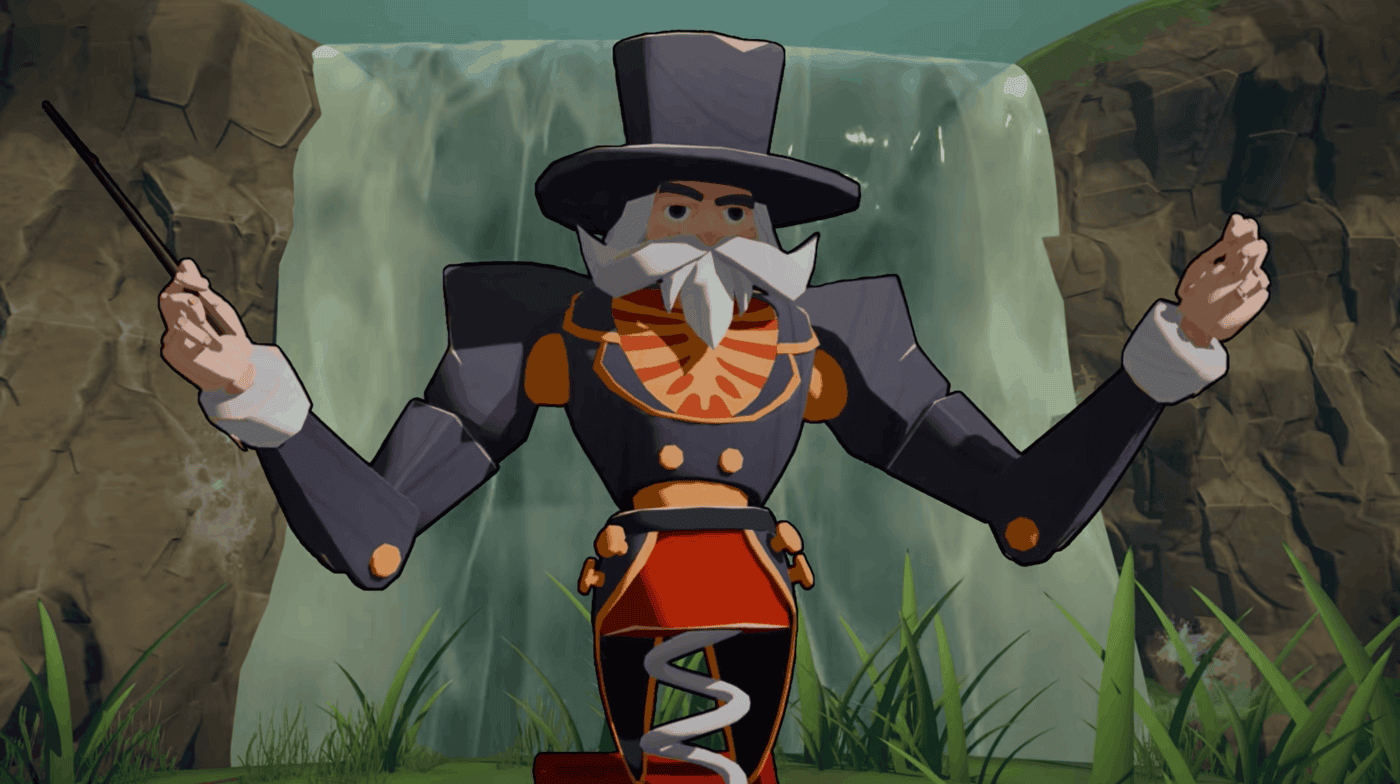
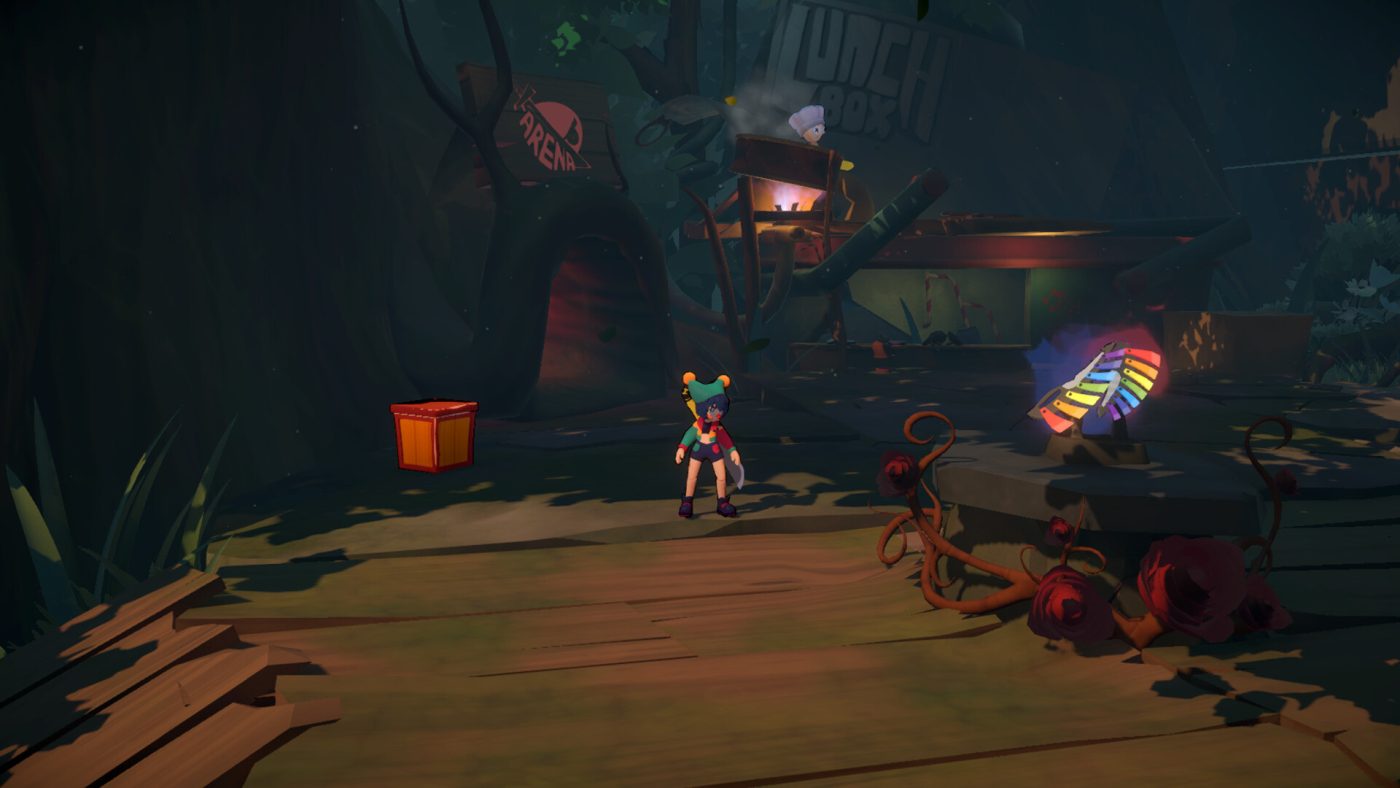
3. Relationship-Driven Meta-Progression: This is where Cello’s journey and the gameplay truly become one. In Alpha Nomos, you don’t just arbitrarily level up on a menu screen to get better stats. Meta-progression is directly tied to building relationships. If you want temporary stat boosts, you have to earn the local chef’s trust and bring him ingredients. If you want weapon upgrades, you have to help the blacksmith with his research and help his old friend, Maestro, regain some of his sanity.
Because progress is personal and meaningful – not just numbers on a stat sheet – players become deeply invested in the world. This is massively elevated by our character designs, which have already proven to be incredibly popular with our playtesters. You are surviving this world with these characters, which makes Cello’s story feel deeply visceral.
Combat in Alpha Nomos is far more than simply defeating enemies – it is about moving, striking, and improvising in harmony with the music, letting rhythm guide every action. How did you approach designing a system in which timing, improvisation, and musical expression coexist seamlessly? And perhaps most importantly, how do you ensure that each strike and combo feels alive – an organic extension of the player’s own creativity and musicality – rather than a prescribed sequence of actions, so that the gameplay itself becomes a living instrument in the hands of the player?
To make the combat feel like a living instrument, we actually drew inspiration from two distinct areas that share a very surprising, yet incredibly useful, commonality: classic character action games and the process of learning real music.
The Action Game and Instrument Analogy: If you look at genre-defining action games like Devil May Cry, Bayonetta, or Ninja Gaiden, they all have strict systems and rules in place. At first, you play directly by their rules to learn specific combo windows. But as you get better, you start to improvise. Eventually, in the hands of absolute experts, players learn to break those rules completely – like using air-jump animation cancelling in Devil May Cry.
We realized this is exactly analogous to learning a musical instrument. First, you learn to play by the rules with specific compositions. Later, you develop your own style and start improvising. Finally, the truly talented musicians who know their instrument inside and out can break the rules entirely, making people wonder if the instrument was ever even meant to be played that way.
Designing for Musical Discovery: We took that concept and designed Alpha Nomos to foster that same sense of musical discovery. We intentionally use a very streamlined setup: just two attack buttons. But, much like playing an actual instrument, countless combo variations are performed simply by delaying an input or holding a button down for longer. Because new players are juggling fast-paced combat while trying to stay on beat, they often stumble into these variations by mistake, creating these amazing ‘”Wait how did I do that?” moments of improvisation. We even mapped specific mechanics directly to real-world playing styles – for example, our “Berserk Mode” was designed entirely around how our musician described the physical feeling of playing his signature djent guitar!
The Reality of Ruthless Iteration: However, having a great philosophy doesn’t guarantee the game will actually feel good. To ensure the gameplay became a seamless extension of the player, we had to rely on ruthless iteration. Fulfilling this vision wasn’t just a goal; it is an ongoing process.
When we weren’t sure about something, we tried it. When it failed, we cut it. We aggressively hunted for the best player experience, which meant stripping away a lot of excess fat. Alpha Nomos used to have a controllable camera, more attack buttons, and a dedicated parry, but we removed them to keep the rhythm and action pure.
We are still constantly refining this process today. Just recently, based on feedback from our early testers, we added a second air dash that quickly returns the player to the ground in time for the upcoming demo update. It’s all part of a long line of decisions made to get us closer to what we consider the true next step in combining action and rhythm gameplay.
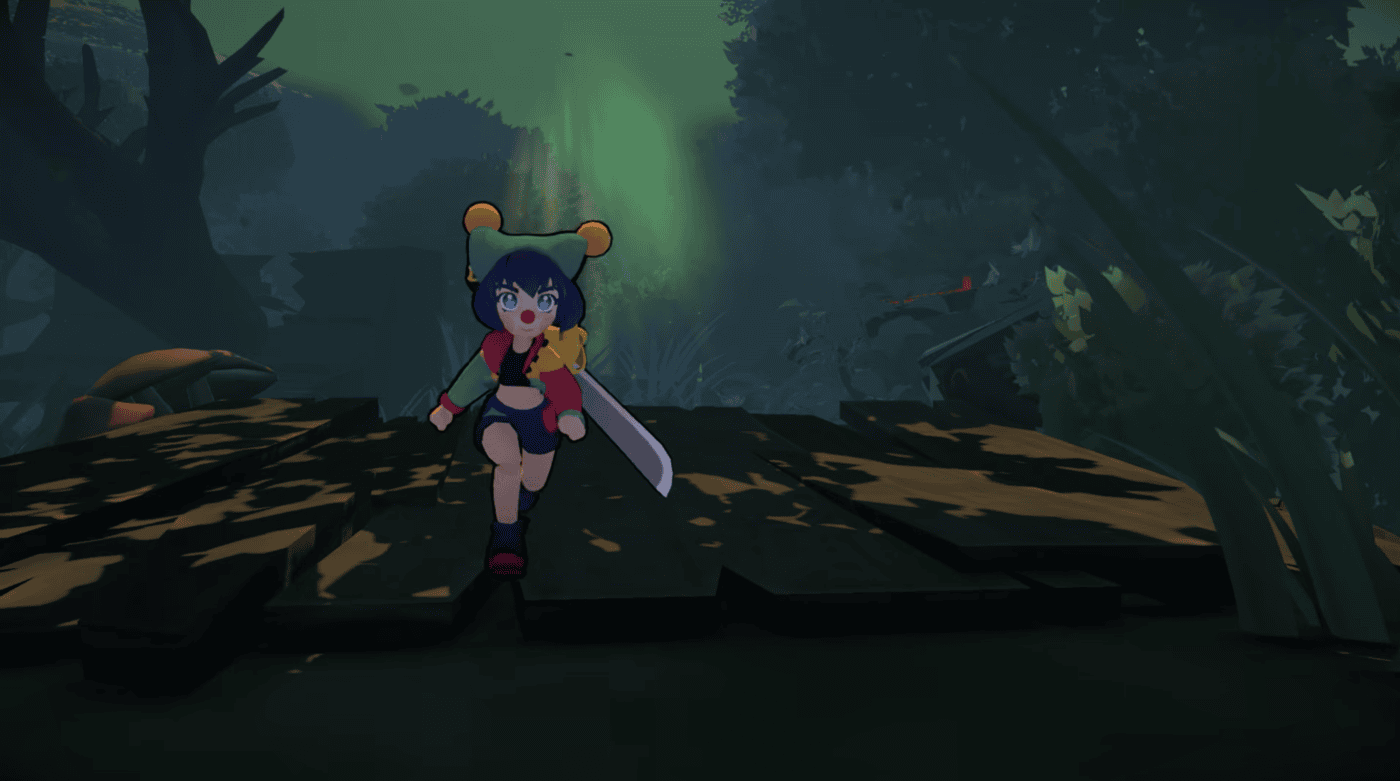
As an action roguelite, the challenge for Alpha Nomos goes far beyond making each run feel fresh and unpredictable. It also means establishing a clear identity within an increasingly crowded genre. How did you approach this challenge in practice? Which design philosophies and creative strategies guided you in crafting gameplay that is both technically solid and capable of delivering the long-term replayability that defines the roguelite experience? And how did you balance randomness, player mastery, and meaningful progression to keep every run engaging and rewarding?
Standing out in a crowded genre like the action roguelite space is definitely a challenge, but we approached it by leaning completely into what makes Alpha Nomos unique: making every single run feel like a completely new musical experiment.
Our roguelite identity is built on two main pillars: the mechanical variety of our musical weapons, and the immense depth of our powerup evolution system.
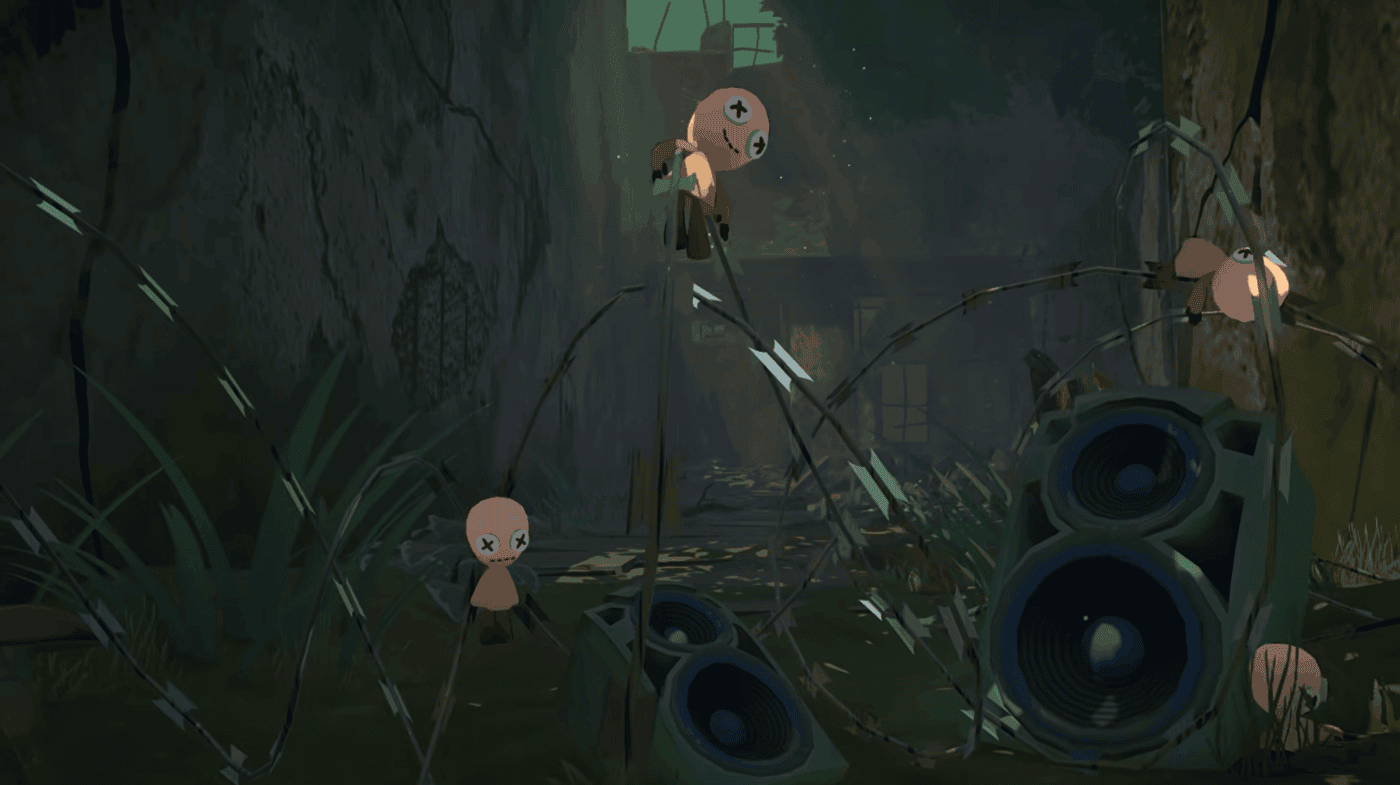
1. Audio-Driven Build Variety: Rather than relying on generic roguelite upgrades like “do 10% more damage,” our powerups are deeply interactive. Even in our upcoming demo, players will encounter three base types of audio-effect powerups, each with seven different evolutionary paths. As you level them up and meet specific prerequisites, you unlock new evolutions. Because these powerups apply their actual, real-world musical effects to your weapon’s SFX, different builds don’t just play differently – they sound completely different. It makes every run feel like a stroll through a field of possibilities where you are actively composing a new track as you fight.
2. The Philosophy of Iteration: Of course, balancing all of this randomness, mastery, and progression didn’t happen overnight. Just like our combat system, our roguelite loop wasn’t made in a single iteration. We actually started with a much more simplistic approach, but it didn’t make the powerups feel as substantial as we wanted, so we tore it down and redesigned it entirely. We are constantly rebalancing things based on what feels right in the players’ hands.
Ultimately, our general game design philosophy boils down to this: we never assume anything we make will just work perfectly the first time. But we firmly believe that if we remain completely open to player feedback and relentlessly iterate on our designs, we can always make things better. That mindset is exactly how we plan to discover and build the absolute best rhythm-action roguelite we possibly can.
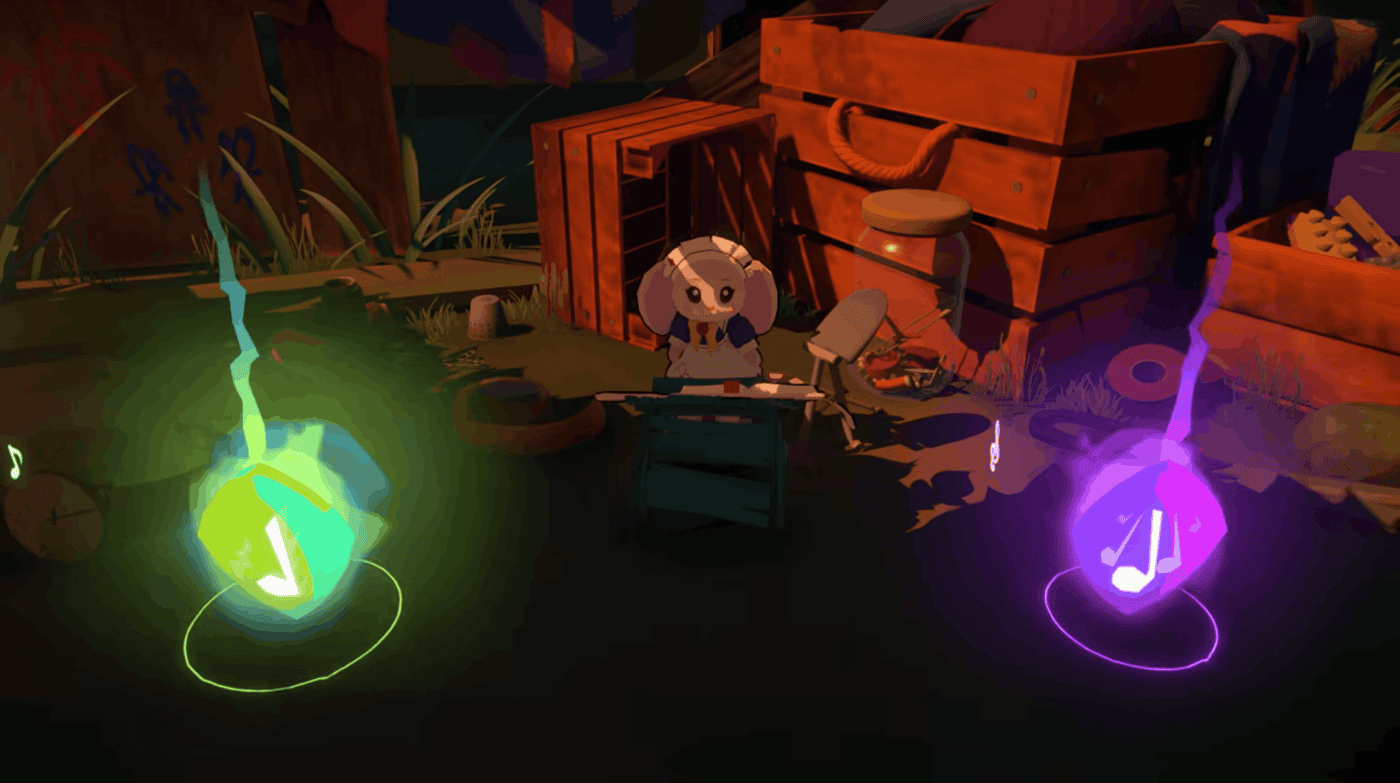
At first glance, Alpha Nomos feels like a small gem – almost like a living, animated fairy tale unfolding before the player. Its art style carries the warmth and charm of classic children’s literature, evoking the feeling of stepping into the pages of a storybook brought to life. What was the artistic philosophy behind this visual direction? And which creative influences – from games, cinema, animation, or literature – helped shape the atmosphere and identity of the world you built?
That description is incredibly moving for us to hear. It means the atmosphere we worked so hard to build is resonating exactly as we hoped. Our artistic philosophy wasn’t entirely set in stone from day one; it was a deeply organic process where the story and the design constantly shaped each other as development progressed.
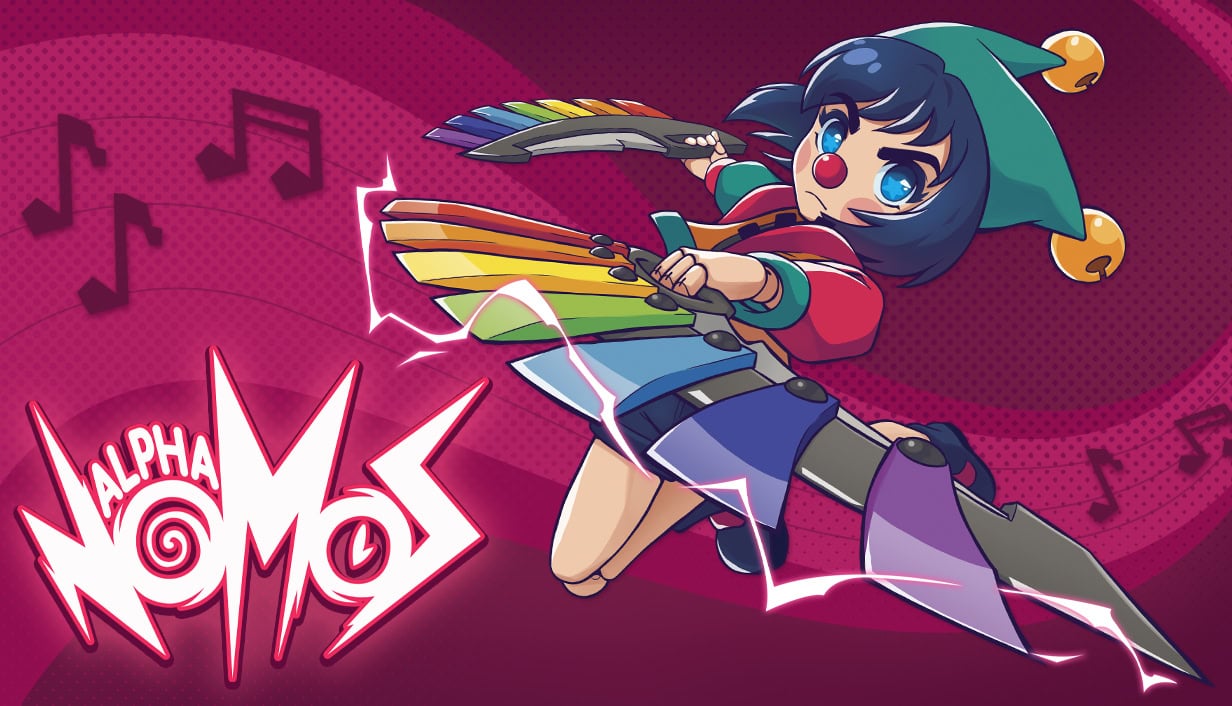
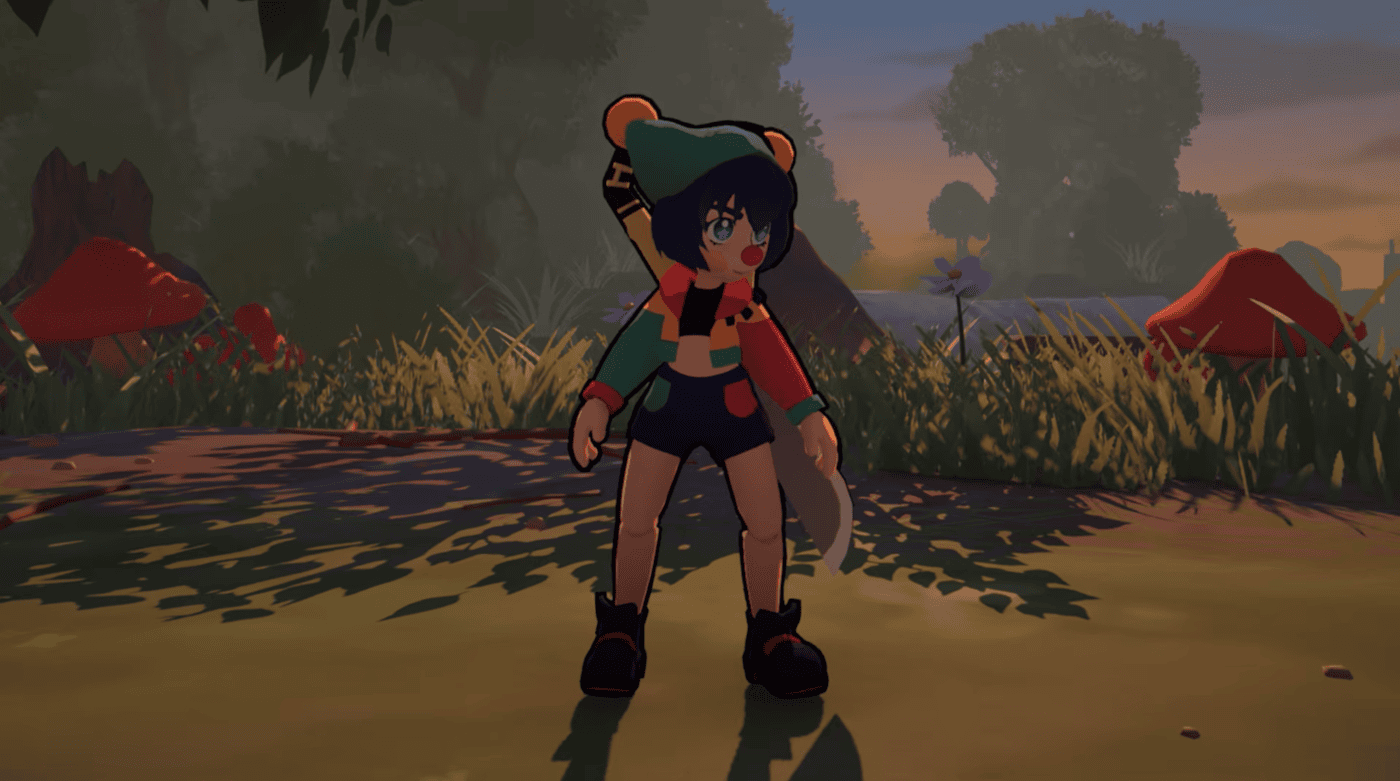
We actually started with a mix of slightly different concepts – hand-crafted puppets, a darker atmosphere, and strong musical, girl-band, and circus vibes. As the music and those early visuals merged, it led us to our core narrative: Cello, a tiny puppet clown adventurer, braving a massive, wild world to find her friends. Once we locked into that story, the art direction naturally evolved to support that specific ‘storybook’ charm.
When it comes to our influences, we didn’t draw from just one specific source. We pulled from a wide, eclectic array of inspirations. We were heavily inspired by the visual flair of stylized Japanese games and the theatricality of circus aesthetics. If you look closely, you might see the influence of NieR:Automata in how we approach the mood of our environments, or stylized shading techniques reminiscent of The Legend of Zelda. But inspiration truly comes from everywhere – honestly, even my dog’s toys sparked ideas for some of our character designs!
But perhaps the most important way we shaped the identity of this world was by physically stepping away from our computers. Because Cello is so small, only about 17 centimeters tall – we actually took an action figure of that exact height out to a nearby park. We posed it in the wild grass and dirt just to get accurate scale references and inspiration for how a tiny puppet would view a massive, overgrown world.
We took that hands-on approach global, too. Whenever the team traveled – whether we were in Japan, Finland, Prague, or Germany. We were constantly looking down, taking photos of cool, tiny macro-environments that we could eventually translate into combat arenas or distinct locations for the game. We wanted the world to feel handcrafted, so we looked to the real world to build it.
Before we move to our final question and bring our interview to a close, we’d like to return once more to what truly feels like the beating heart of Alpha Nomos: its music. In a game where music is not simply an accompaniment but a defining pillar of the entire experience, how did you approach the process of composing the soundtrack? What kinds of sounds, tones, and emotional nuances were you hoping to convey through the score, and how did you hope the music would resonate with players throughout their journey?
To truly answer that, I have to share the perspective of our incredible musical director, Juan Garcia-Herreros, and the Totem Warriors team. Because for Alpha Nomos, the game literally cannot function without the music, and the journey of composing it was a deeply emotional two-year adventure for all of us.
If you were to ask Juan about the process and the emotions he wanted to convey, he sums it up perfectly:
“Creating a game with an indie developer is one of the most beautiful and rewarding adventures you can ever experience as a composer, but at all points of the development battle, you are the underdog. There are nights full of insecurities where you ask yourself, ‘Will the players actually love this?’ But we carried on as a team. Every month of discovery brought us closer, and a true bond of brotherhood developed between Totem Warriors and RibCage Games.”
In terms of the sounds and tones we aimed for, we wanted the music to be a living, breathing entity. Together, we developed a unique weapon sound system that actually modulates according to the harmonies of the moment – something we haven’t seen exist in this genre yet. We needed a killer soundtrack to match that ambition.
As for how we hoped it would resonate with players? It all comes down to pure joy. Recently, Juan and the team were watching a YouTube review of our Early Access demo on Steam. Seeing a player genuinely connect with the rhythm and the world brought us all an incredible sense of fulfillment. As Juan put it to us: “Even if the game only reached one person… even if it isn’t perfect… if this person felt joy as they played with our creation, that is the greatest reward.” That is what gaming is truly all about for us. We just want people to give it a chance, try out the Steam demo, and feel that same joy and passion we poured into the soundtrack.
Alpha Nomos is currently planned for release in 2026 and, based on the information available, will initially launch on PC. Have you already established an internal release window or a more specific launch target for the game? And looking further ahead, are there plans about potentially bringing Alpha Nomos to consoles in the future following its PC debut?
We are incredibly excited because the finish line is finally in sight. Right now, our specific target for the PC launch is Q3 of this year, 2026. The team is working around the clock to ensure every beat, every frame, and every mechanic is polished to perfection for that release.
As for consoles, I’m thrilled to say that we are far past just ‘internal discussions. We are actually already hard at work on porting Alpha Nomos to both PlayStation and Nintendo platforms! We want to bring this musical world to as many players as possible, so getting it running beautifully on consoles is a huge priority for us right now. And who knows? If things continue to go well, we might explore bringing it to even more platforms in the future.
But for right now, our immediate focus is on our community. We cannot wait for everyone to jump into the upcoming Steam demo, share their feedback, and join us for this final stretch of development!
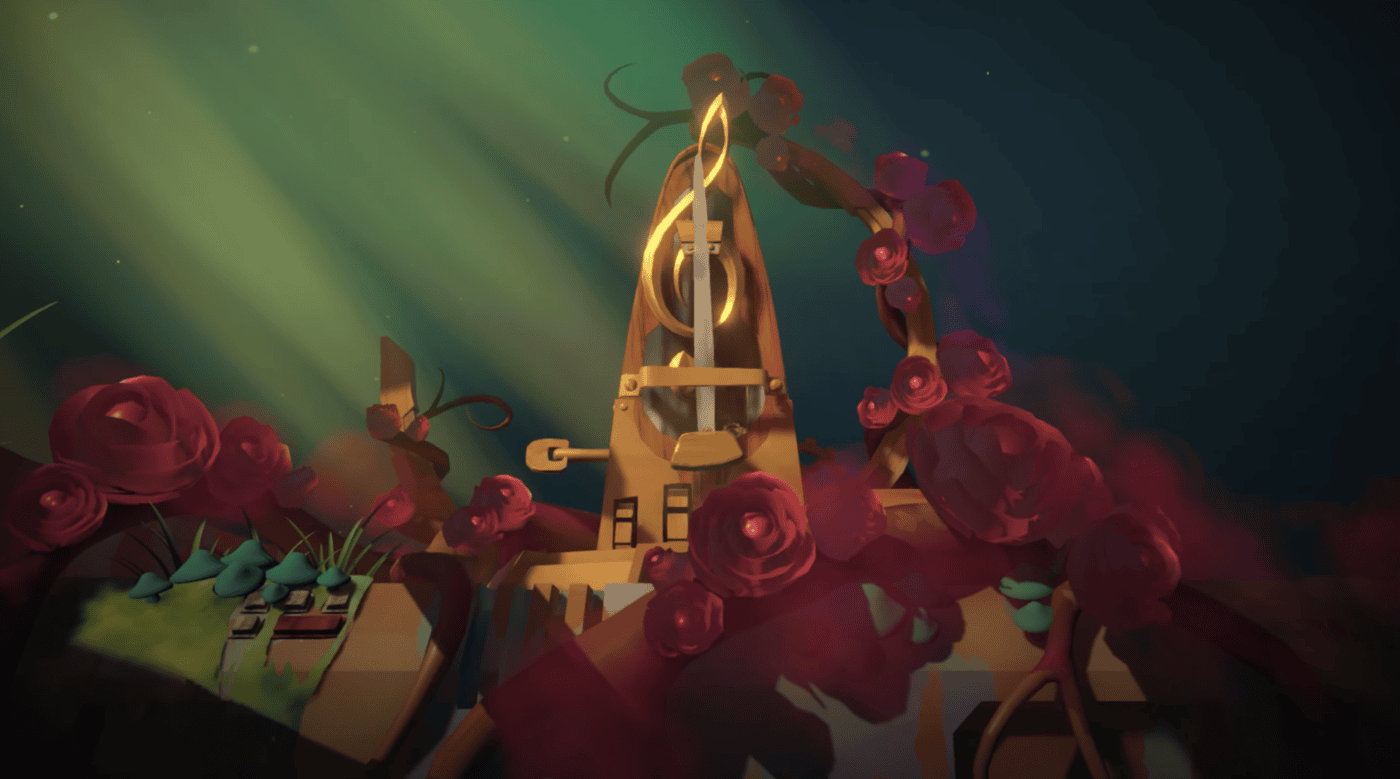
The Wait Is Almost Over
With Itamar’s final words, our time with RibCage Games comes to a close. Though brief, the interview offered more than enough insight to fully immerse ourselves in the world of Alpha Nomos and grasp the vision, philosophy, and creative direction driving the team. It was a rich and revealing journey, one that unveiled not only the ambitions and structure of the project but its very essence: a bold creative identity, a distinctive personality, and a voice so unique that it immediately imbues the project with an unmistakable and unforgettable signature.
Before we part ways, we wish to extend our deepest thanks to the entire RibCage Games team, and particularly to Itamar, for the generosity of his time, his openness, and the care with which he shared the project’s intricate details, behind-the-scenes stories, and creative inspirations. We offer our warmest wishes for the road ahead, confident that the team will continue to navigate the challenges and milestones of their debut with the same passion and dedication they have shown thus far.
As discussed during the interview, Alpha Nomos is scheduled for release in 2026 on PC via Steam, with console versions to follow. To stay updated on the latest updates, development progress, and upcoming announcements, we invite you to follow the official channels of Alpha Nomos and RibCage Games.
Thank you for joining us and for sharing in this journey. We look forward to bringing you more insights, stories, and updates from the world of Alpha Nomos in the months ahead.