Tom Clancy: the ascent, evolution, and gradual fall of one of gaming’s most enduring brands.
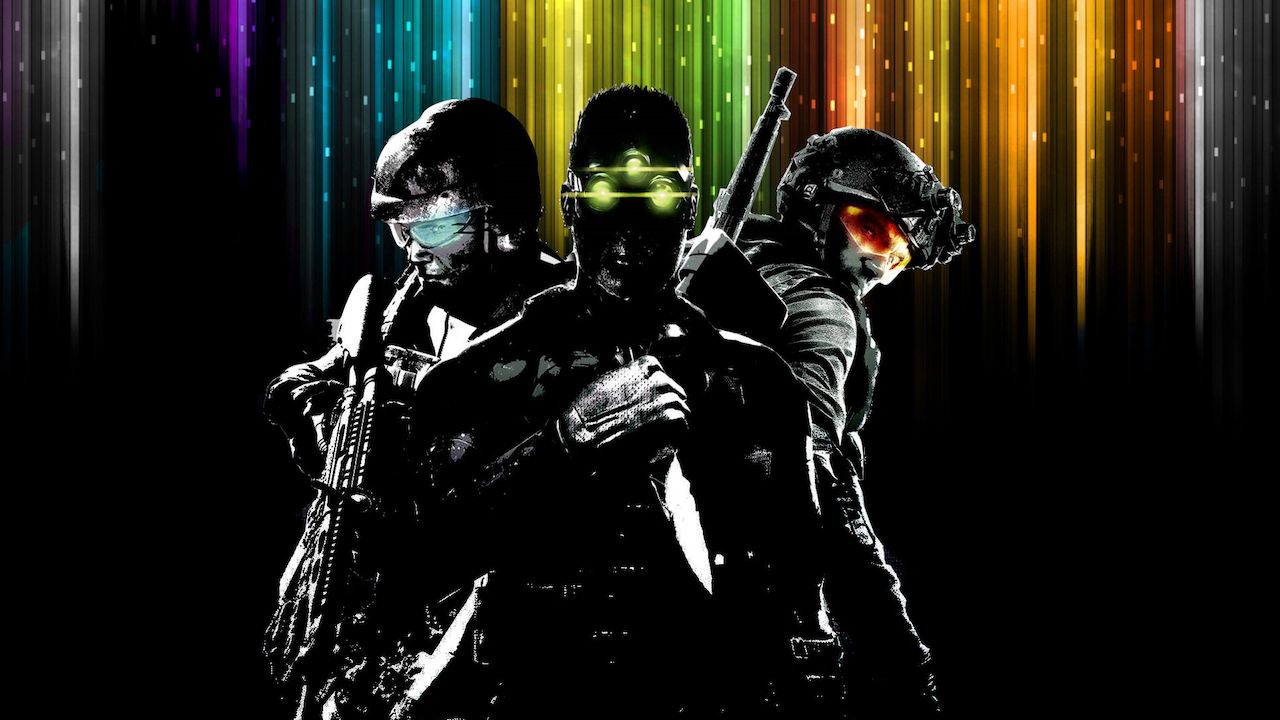
For decades, the name Tom Clancy has stood for far more than a video game license. It set the benchmark for realism, strategic depth, and narrative credibility – an example that few franchises have ever matched.
In an era when games were still grappling with how to portray war, terrorism, and covert operations, games set in Clancy’s universe carved out a distinct and instantly recognizable identity. Rainbow Six, Ghost Recon, and Splinter Cell were never mere action games – they were tactical simulations, meticulously crafted for players willing to study maps, coordinate squads, choose precise equipment, and accept failure as an integral part of the experience.
Over time, however, that core philosophy began to fade.
Ubisoft, which in the early 2000s had harnessed the Clancy brand with unmatched expertise, gradually reshaped the franchises into more accessible, cinematic, and market-driven experiences. The result was a slow but unmistakable erosion of the tactical authenticity and identity that had defined these games, replaced by open-world systems, live-service models, and competitive multiplayer, where strategic depth and realism were traded for immediacy and monetization.
The Rainbow Six Revolution
When Red Storm Entertainment, the studio founded by Tom Clancy himself, embarked on developing the original Rainbow Six, the shooter landscape was dominated by high-octane titles like DOOM, Quake, and Unreal Tournament – games defined by speed, reflexes, and relentless chaos. Rainbow Six charted a radically different course.
Rather than encouraging players to rush in and fire at anything that moved, the game demanded patience. It asked players to slow down, observe, plan, and think. Before even stepping into the field, they were required to study the map, select their operators, map out routes, and carefully choose weapons, equipment, and entry points. Each member of the squad brought a specific skill set, and even the smallest planning error could turn a seemingly perfect operation into a total failure within seconds.
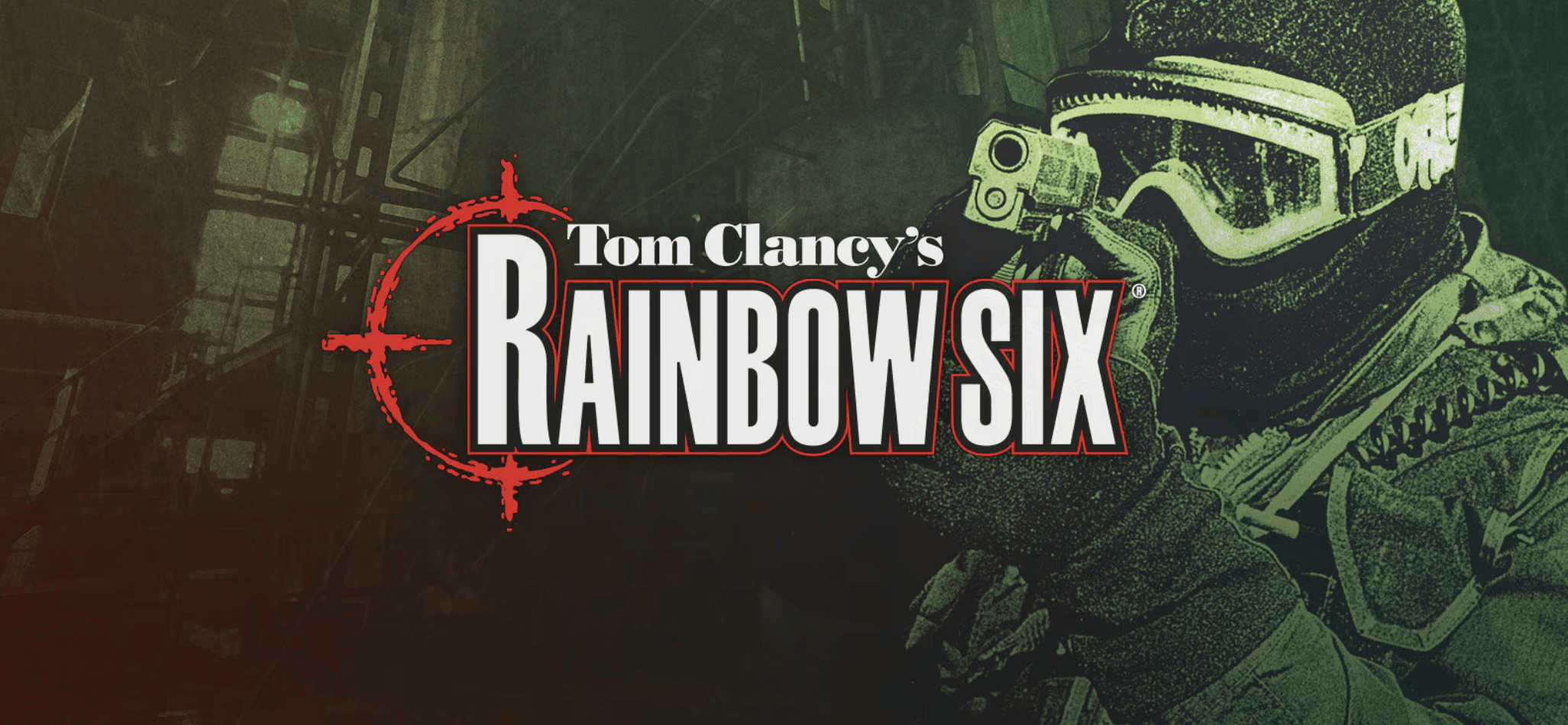
The game’s narrative further reinforced its sense of authenticity. Rainbow Six presented international biological threats, terrorist plots, hostage rescues, and plausible geopolitical scenarios, all in unmistakable Tom Clancy fashion. It delivered a level of tension rarely seen in games at the time: open a door too quickly, choose the wrong operative, or advance from an exposed angle, and an entire mission could unravel in an instant.
Rainbow Six was more than a commercial hit, it was a revolution. It established a new benchmark for tactical shooters and proved that audiences were ready for games that demanded patience, strategic thinking, and unwavering attention to detail.
Ghost Recon and the Rise of Tactical Shooters in Modern Gaming
If Rainbow Six redefined urban special operations, Ghost Recon expanded that vision to the scale of modern warfare. Released in 2001, it arguably marked the high point of Red Storm Entertainment’s output. Building on the foundations of Rainbow Six, the studio translated its tactical philosophy into larger, more open, and far more complex battlefields.
This time, the focus shifted away from hostage rescues in confined spaces to leading an elite unit across forests, mountains, deserts, and valleys. Set against a fictional conflict between Georgia and Russia, the game once again leaned into classic Tom Clancy territory: modern warfare, international tension, and grounded geopolitical crises.
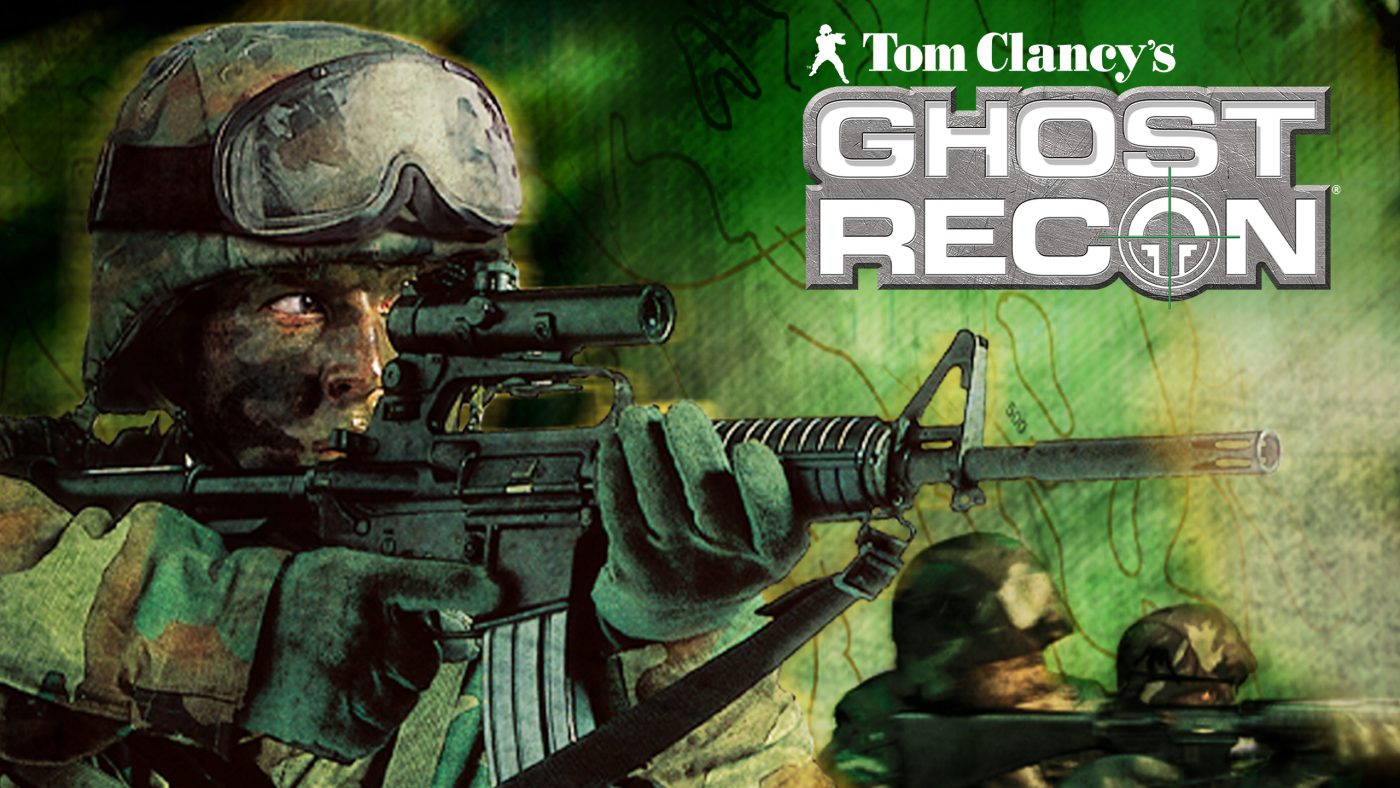
Ghost Recon broadened the scope of tactical freedom. Players could command up to three separate squads, assign independent routes, establish fields of fire, and time their attacks with precision, all while adapting to constantly shifting battlefield conditions. The game also introduced a progression system tied to combat experience, where surviving operatives grew more skilled and increasingly valuable over time. As a result, every loss carried real weight, deepening both emotional investment and tension.
Larger, more ambitious, and more complex than Rainbow Six, Ghost Recon pushed the formula even further. Its expansions built on that foundation, introducing new environments and additional tactical possibilities. For many players, it remains the high-water mark of the Tom Clancy franchise.
Ghost Recon 2: Between Ambition and Inevitable Compromise
With Ghost Recon 2, the first real signs of change began to surface.
As Ubisoft leaned further into the console market, the series was reshaped with accessibility in mind. The pacing quickened, planning was streamlined, and action moved to the forefront. The most significant addition was a third-person perspective, paired with the option to switch to first-person for more precise shooting. Technically, the game was impressive – particularly on the original Xbox, where it delivered visuals that stood out for the time.
But the real issue ran deeper than commercial or creative considerations, it was philosophical.
Ghost Recon 2 marked a shift away from a harsh, punishing military simulation toward a more immediate, action-driven tactical experience aimed at a broader audience. The cancellation of the PC version – despite being at an advanced stage of development – offered a further glimpse into Ubisoft’s evolving direction.
The priority was no longer to serve the series’ core audience, but to streamline the experience.
The Slow Evolution of the Rainbow Six Series
The Rainbow Six series underwent an equally profound transformation. After its early installments – built around meticulous planning and realism – the franchise gradually shifted toward a more cinematic and accessible approach. This shift first became apparent with Rainbow Six: Lockdown, reaching its peak with Rainbow Six Vegas and Vegas 2.
The two Las Vegas installments are still widely regarded as standout entries in the franchise. Their cover systems worked seamlessly, pacing was finely tuned, and the narrative retained its depth and coherence. Ubisoft delivered modern, visually striking, and highly polished shooters – but this evolution came at a significant cost.
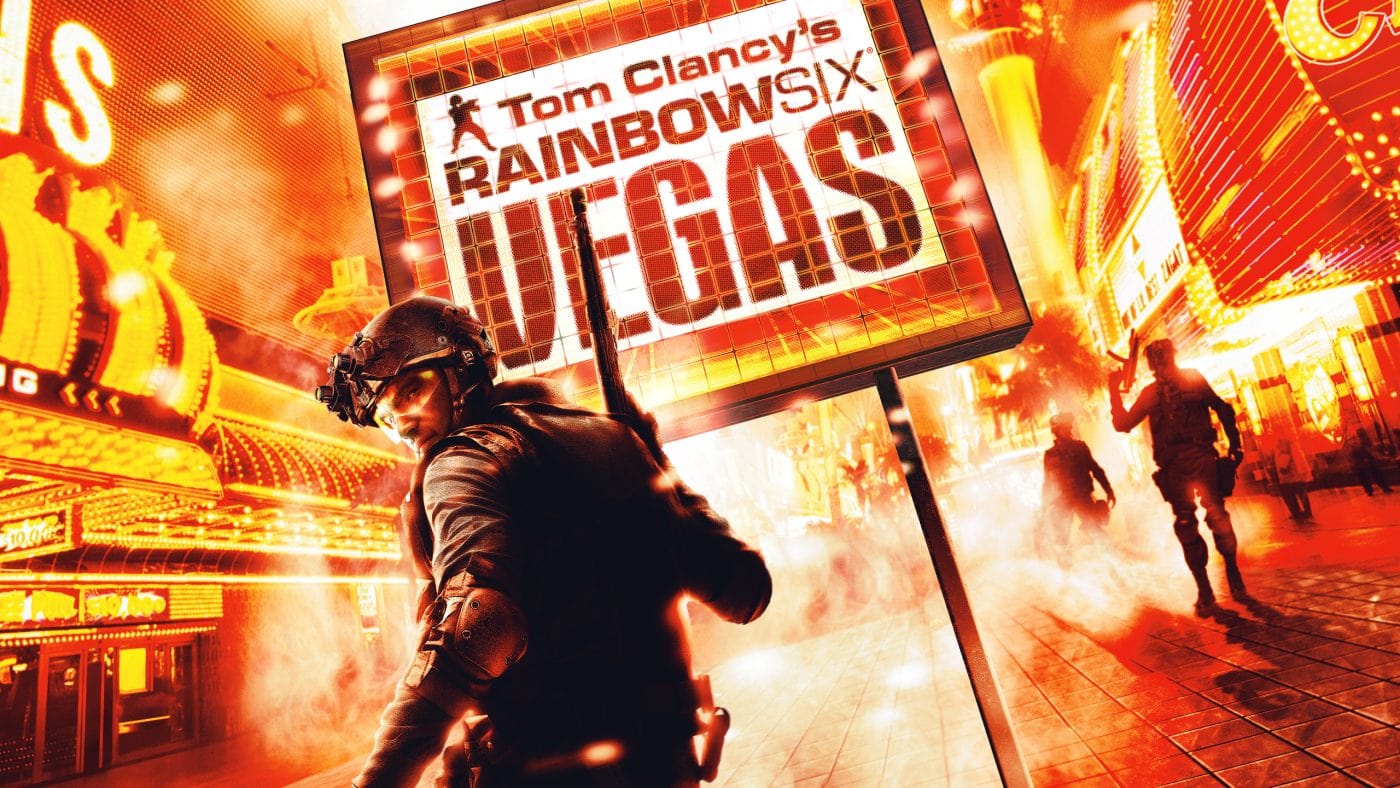
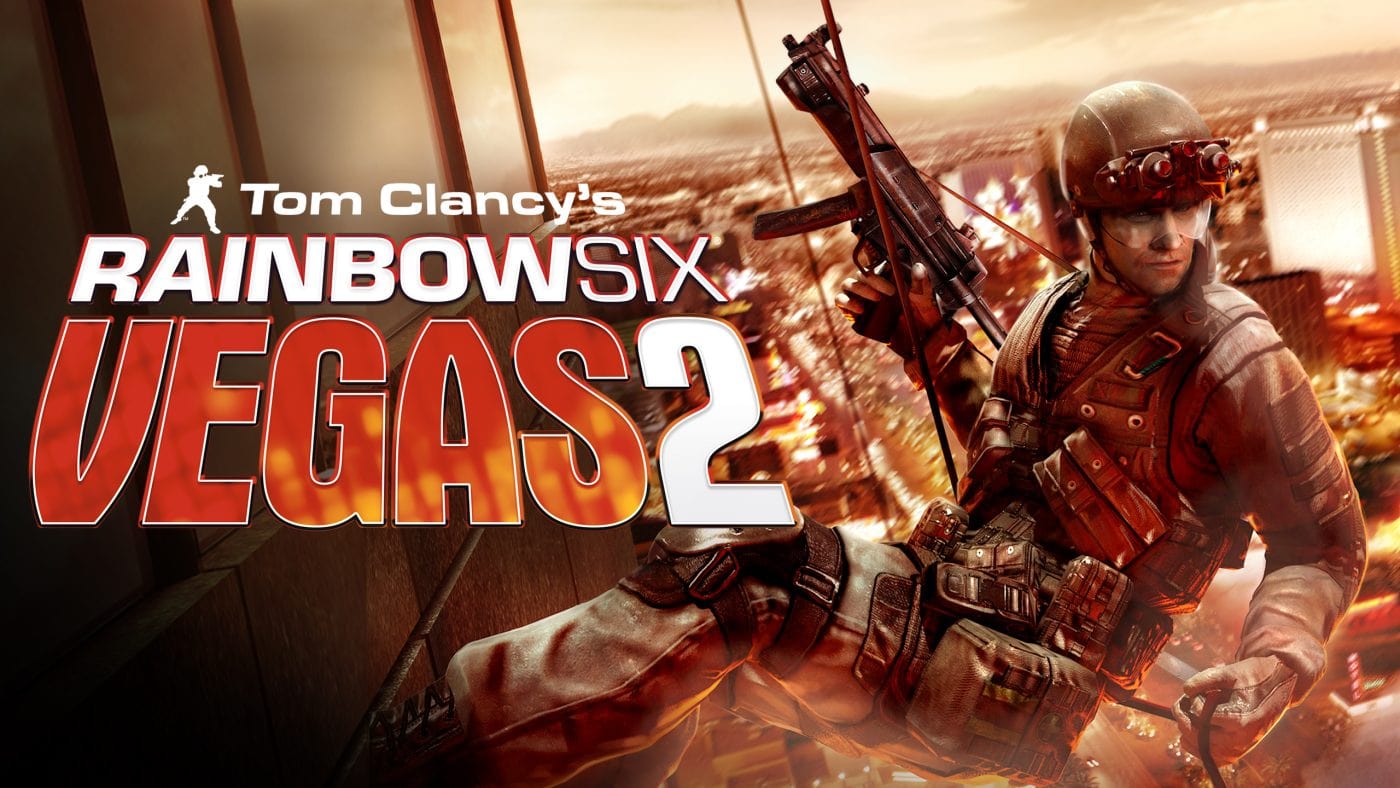
The lengthy planning phases nearly vanished, along with detailed squad management. The gameplay became more immediate, faster-paced, and much closer to the conventions of contemporary shooters.
On one hand, this allowed Rainbow Six to reach a significantly wider audience. On the other, it alienated a core segment of its longtime fanbase, who had always viewed the series as something far more than just another action shooter.
Ghost Recon Advanced Warfighter: The Last Great Entry in the Series
While Rainbow Six drifted further from its roots, Ghost Recon achieved an almost flawless balance with Advanced Warfighter. Set in a near-future that felt convincingly real, the game introduced cutting-edge military technologies – advanced HUDs, drones, optics, and command systems inspired by actual U.S. Army prototypes.
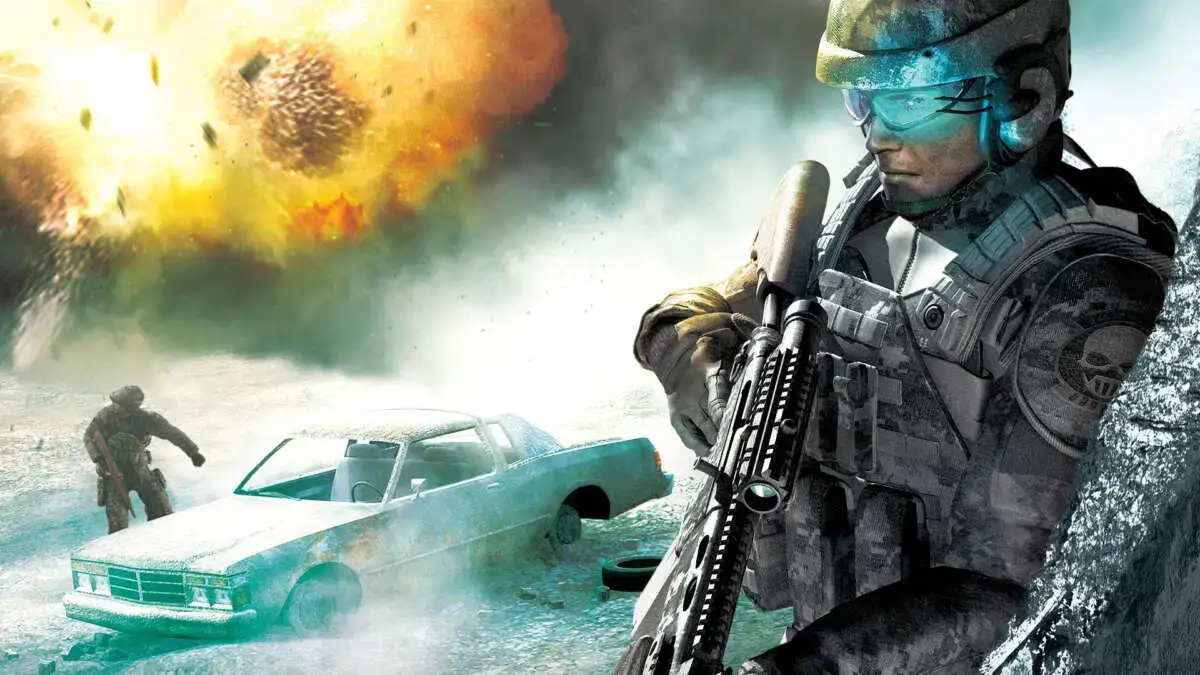
Advanced Warfighter’s greatest triumph was modernizing the series without compromising its core. Controls became more intuitive and console-friendly, yet the tactical foundation remained central. Players still needed to coordinate squads, assess lines of fire, and manage the battlefield with precision. The narrative was gripping, enemies felt convincingly authentic, and the variety of missions maintained a constant sense of tension throughout the campaign.
Ghost Recon Advanced Warfighter and its sequel arguably stand as the pinnacle of the Ghost Recon franchise—a peak that makes the series’ later decline all the more poignant.
Rainbow Six Patriots and Siege: The Beginning of the Fall
The cancellation of Rainbow Six Patriots arguably marked the symbolic moment when Ubisoft abandoned the classic Tom Clancy approach. Hailed as the ultimate installment, early footage suggested a dark, mature, and provocative military thriller – one that confronted domestic terrorism, societal collapse, and the moral ambiguities of modern warfare.
The sequences Ubisoft revealed left a lasting impression. The now-iconic scene of a bridge-bound hostage rigged with explosives stands as one of the most striking and memorable images in Rainbow Six history. Patriots appeared poised to redefine the tactical shooter genre once again. Yet Ubisoft chose a different path. Internal development challenges and the industry’s growing obsession with live-service models led to the project’s cancellation, paving the way for Rainbow Six Siege.
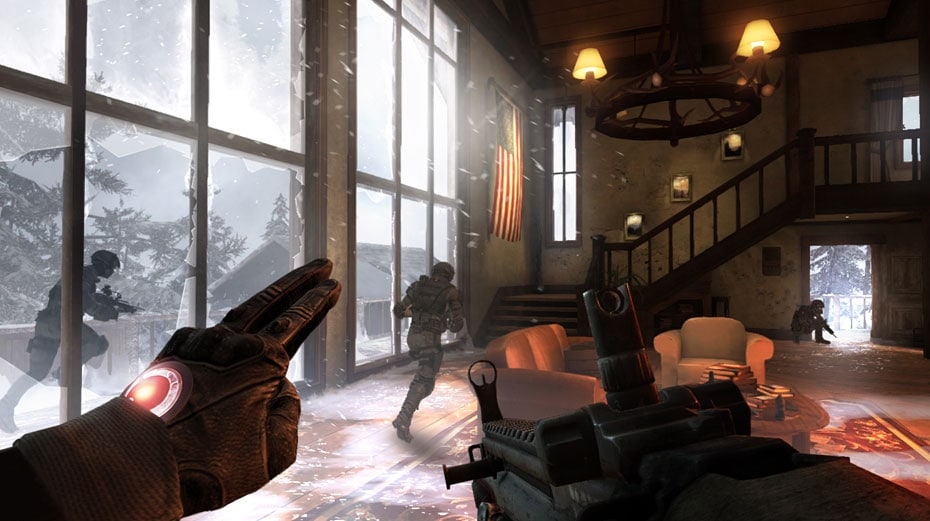
Siege is undeniably a major success, both commercially and culturally. It has built a fiercely competitive community and continually evolved through new operators, maps, and regular updates.
But Siege is not Rainbow Six in the traditional sense. Narrative depth is nearly absent, the single-player component has been removed, and the focus has shifted entirely to competitive multiplayer. Tactical realism has been replaced by eSports balancing, specialized operators, and a structure designed to sustain the game over time through seasons and microtransactions.
For many longtime fans, this marked the point at which Rainbow Six stopped existing as a narrative-driven, tactical franchise.
Ghost Recon Wildlands and Breakpoint: The Downfall of a Once-Great Series
While Rainbow Six gradually succumbed to the live-service model, Ghost Recon faced an even deeper crisis: the near-total loss of its identity. Following the success of Advanced Warfighter, Ubisoft experimented with Future Soldier, attempting to blend action, stealth, and tactical gameplay. Yet, despite its promising foundations, the end result was far from remarkable.
The decline deepened with Wildlands and Breakpoint. Ubisoft applied its open-world formula to the franchise, introducing sprawling maps, numerous side missions, and a gameplay formula designed to sustain dozens of hours. The issue was not the quality of the games themselves, but that Ghost Recon had stopped feeling like Ghost Recon.
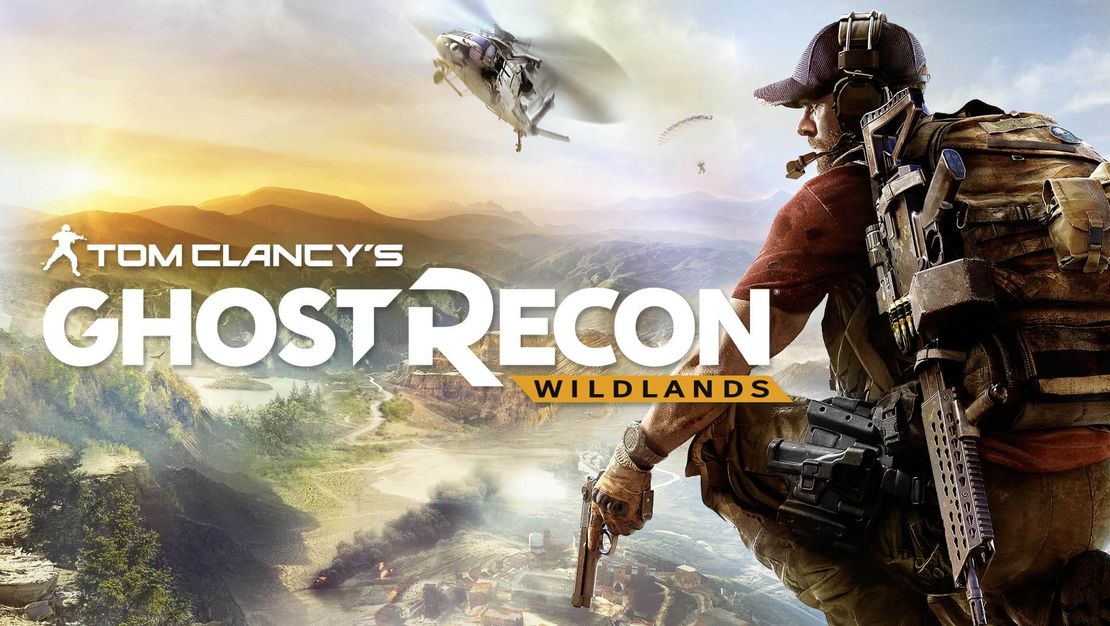
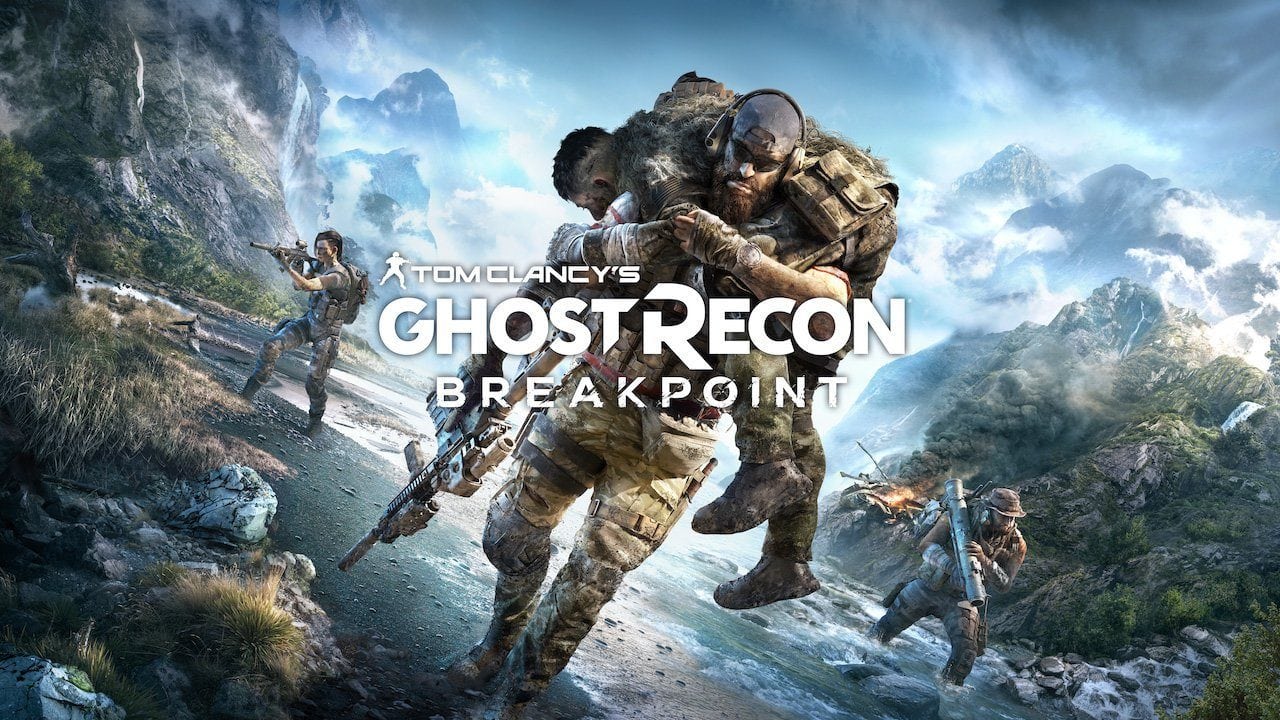
Wildlands retained at least a measure of coherence, largely due to its Bolivian setting and the ongoing conflict against the cartels. Breakpoint, by contrast, felt fragmented and uncertain – a game struggling to define itself, caught between tactical shooter, survival mechanics, RPG progression, and live-service design. The addition of loot systems, gear progression, and online-centric gameplay marked the franchise’s definitive departure from its original roots.
Does the Tom Clancy Brand Still Have a Future?
Despite everything, the Tom Clancy brand still carries tremendous weight. Splinter Cell remains one of the most cherished stealth franchises in gaming history, with Chaos Theory still celebrated as a benchmark of the genre. Even television adaptations, such as Jack Ryan, prove that Clancy’s universe continues to captivate audiences.
The recent closure of Red Storm Entertainment, however, was a major setback. The studio that helped define the very identity of Rainbow Six and Ghost Recon no longer exists, making a return to the series’ roots increasingly difficult. Yet a path to redemption still exists. Ubisoft could restore the franchise’s prestige through faithful remakes of the original Rainbow Six and Ghost Recon, or by creating new, tightly focused experiences that stay true to the series’ core spirit.
The Tom Clancy brand does not need to chase every industry trend. It does not need battle passes, sprawling open worlds, or live-service frameworks built solely for monetization. What it truly needs is to reclaim its identity.
Because the true appeal of these games was never measured in the sheer quantity of content or hours played. Their power lay in the tension of opening a door, knowing a single mistake could cost an entire squad their lives. It lay in the careful, meticulous planning of a seemingly impossible mission. It lay in inhabiting a world that felt believable, unforgiving, and profoundly realistic.
Ubisoft still has one final opportunity to preserve this legacy – but time, increasingly, appears to be running out.