Starsand Island, the latest project by Seed Sparkle Lab, a Chinese studio based in Zhuhai, aims to be a fresh chapter in the life simulator genre, drawing inspiration from successful titles like Stardew Valley. It offers its own unique take on the genre with a standout feature: the freedom of 3D gameplay. The game has been available in Early Access since February 2026 on Steam and Xbox.

In a genre overflowing with life simulators, Starsand Island, the latest project from Zhuhai-based Chinese studio Seed Sparkle Lab, carves out its own space with an appealing anime aesthetic, graphics reminiscent (if less detailed) of Genshin Impact, and a gameplay structure that promises relaxation, creativity, and an escape from urban routine. The game targets players seeking a “cozy” experience, but with a touch of adventurous ambition. Does it live up to expectations, or is it merely riding the wave of the genre’s success?

A 3D World: Strengths and Limitations
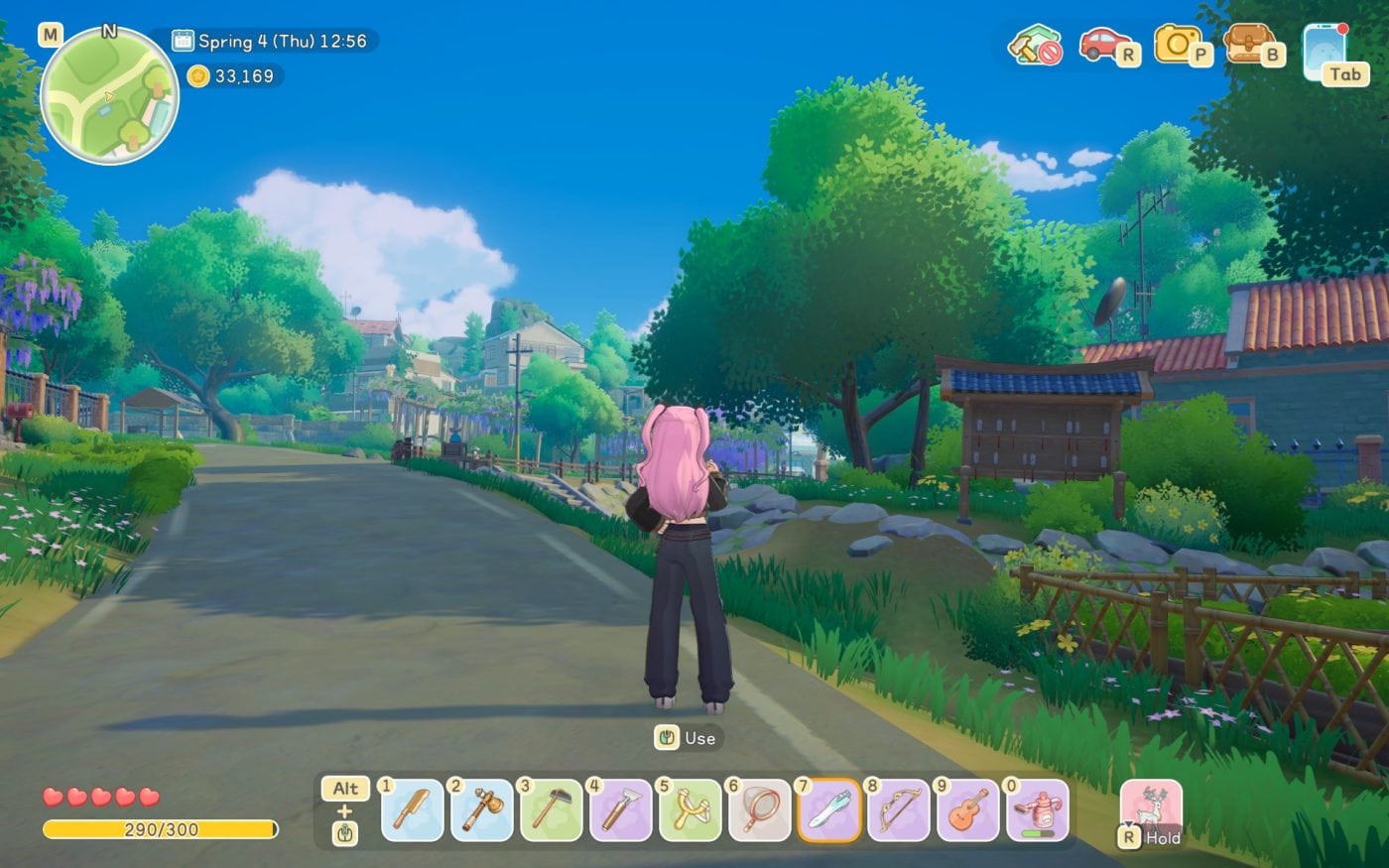
Starsand Island’s standout feature is its fully 3D environment. Unlike titles such as Stardew Valley, Coral Island, or Fae Farm, the camera here rotates 360 degrees, offering greater immersion. The island, inspired by rural Chinese countryside, blends lush nature, medieval-style temples, and a lively village, though its inhabitants often lack depth.
The freedom to explore every corner is a plus, but exploration feels limited: the only notable adventurous area is the Moonlit Forest, where simple combat and material gathering take place. Combat is barebones and doesn’t add depth to the gameplay, which remains focused on farming, crafting, and home customization.
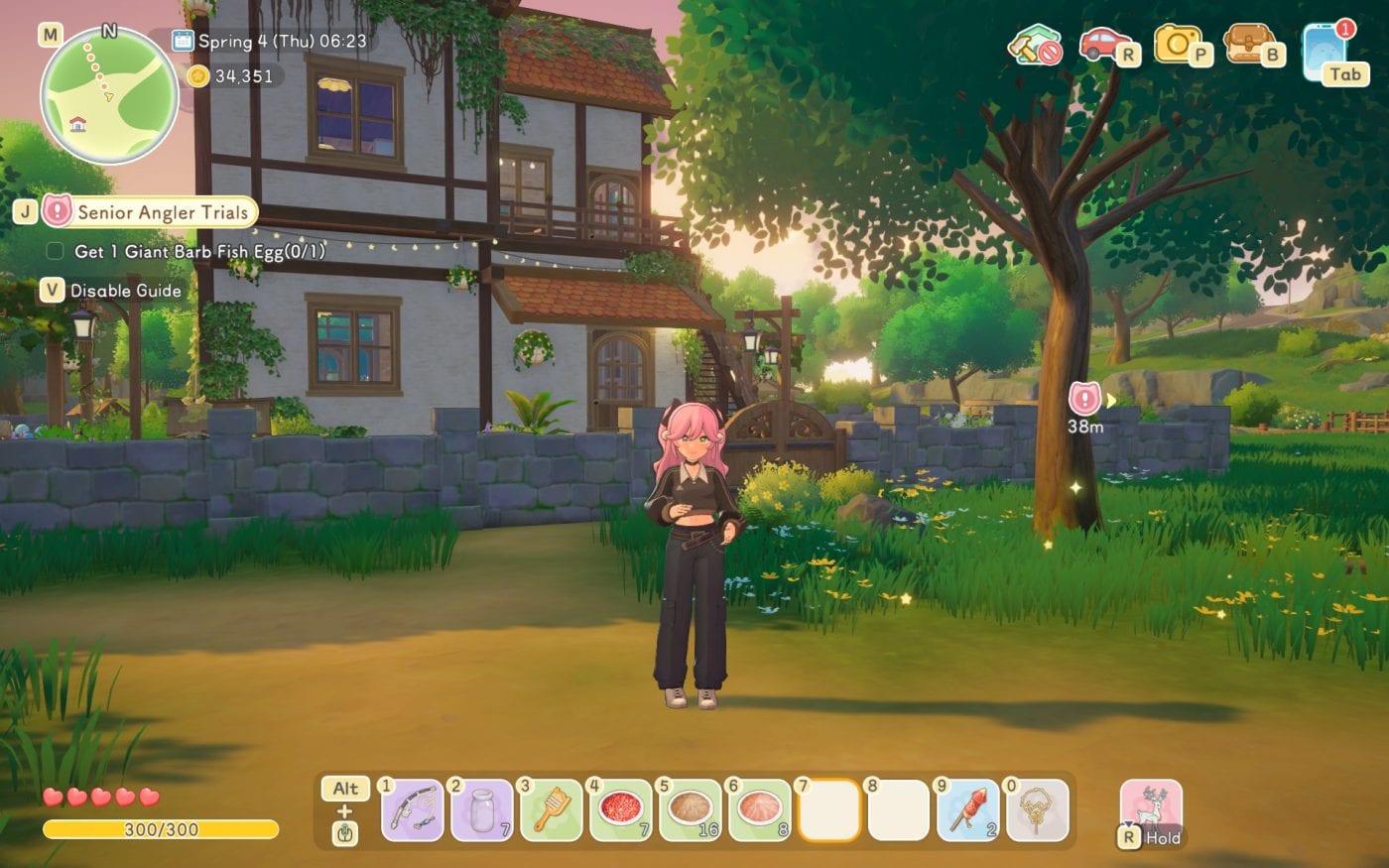
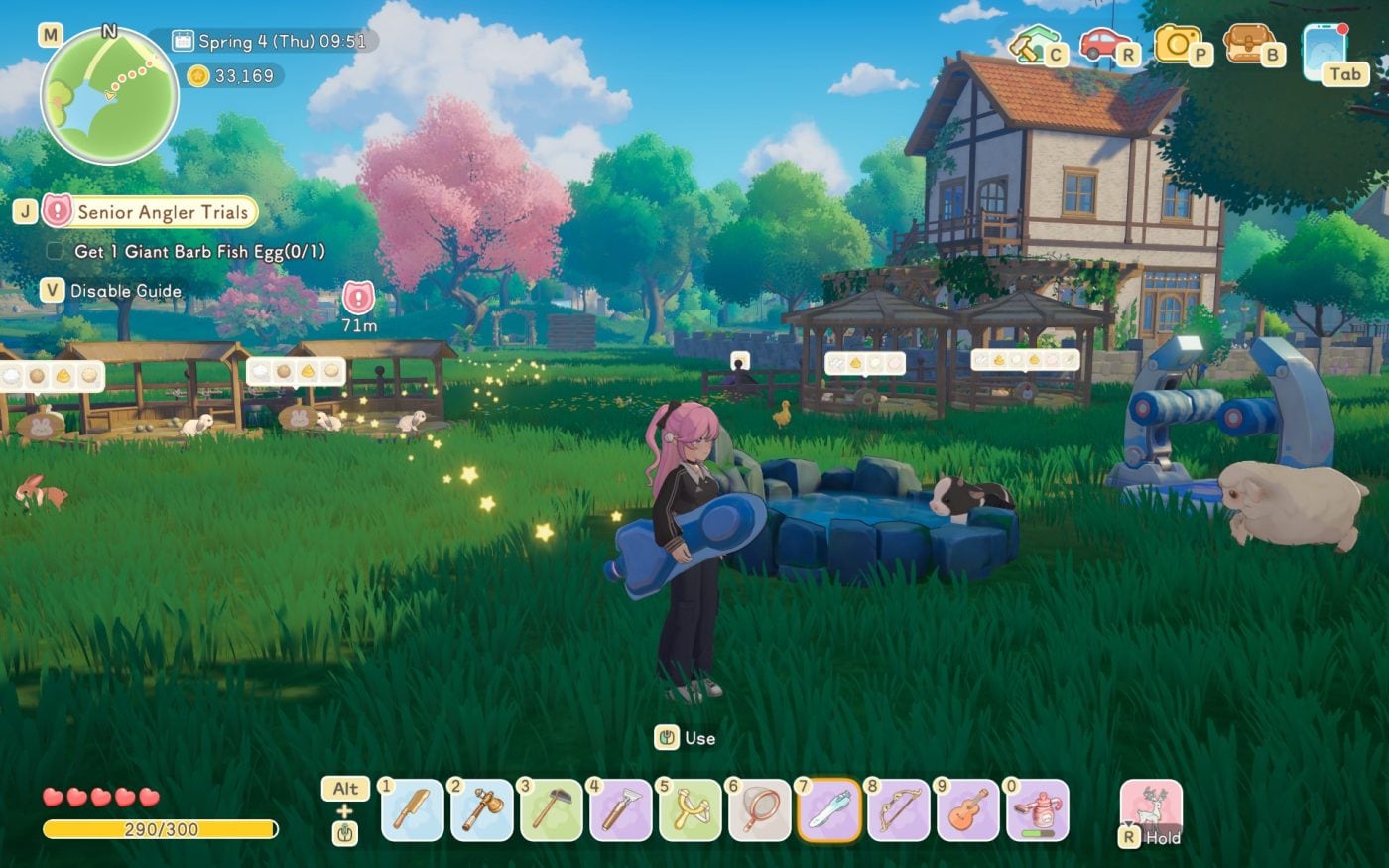
Resource management is well-balanced: automation options help avoid excessive grinding. However, material refining and side quests (like village bulletin board “commissions”) risk becoming repetitive, especially due to the lack of meaningful events or character interactions. NPCs repeat a few lines of dialogue and offer little narrative progression, a missed opportunity for a game that emphasizes social connections. The dating system is also underdeveloped, though the roadmap promises improvements.
Bugs, Price, and Controversies: The Sore Points
Starsand Island isn’t free of technical issues. Players may encounter graphical glitches (like hair changing color when wearing pajamas) or bugs in house customization, particularly with flooring. Other annoyances include NPCs getting stuck inside homes, blocking quest completion unless friendship levels are high enough.
These issues, combined with a launch price deemed too steep for an Early Access title, risk undermining player trust. Adding to the frustration is the DLC, criticized for its lack of content and high cost by the community.
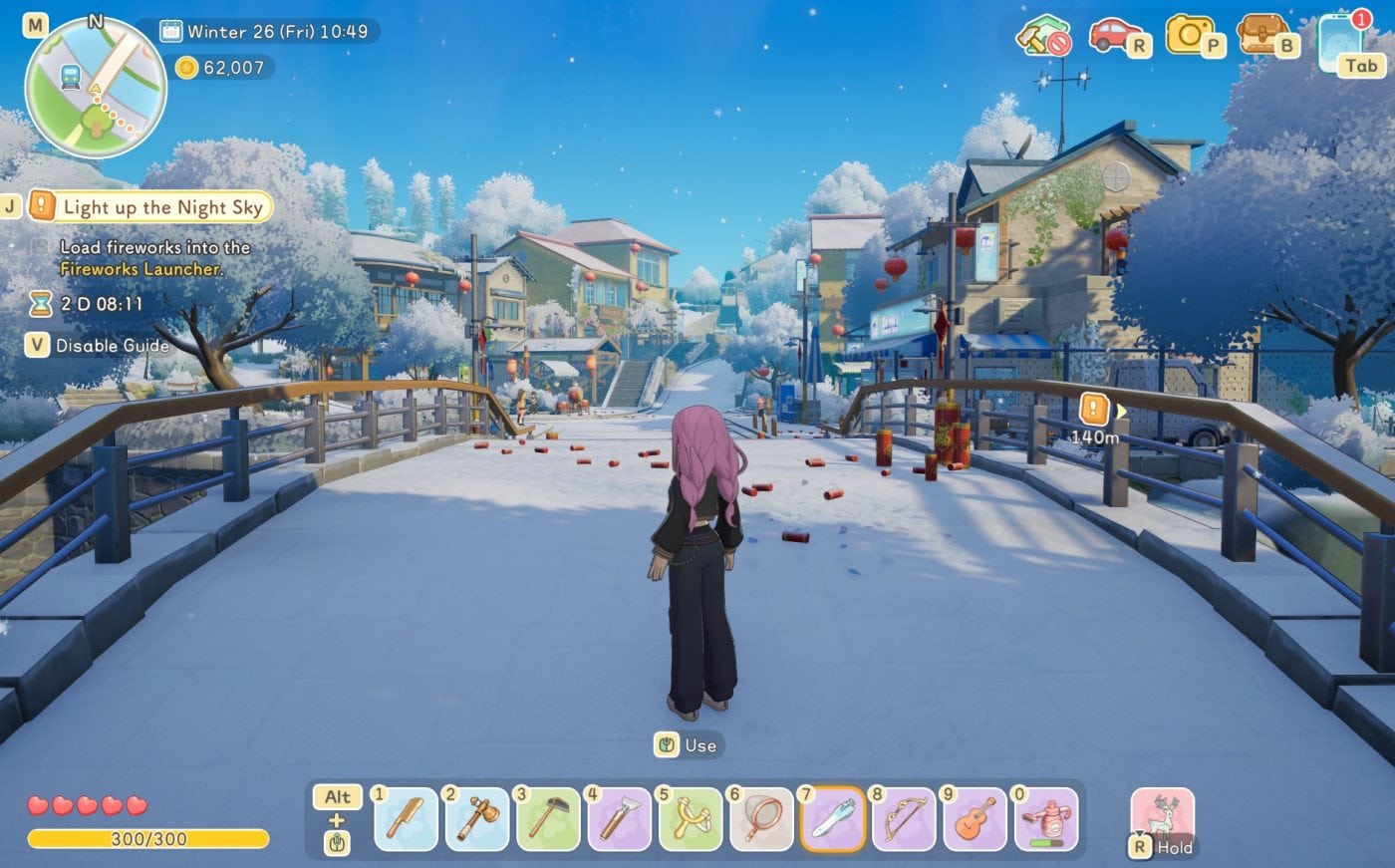
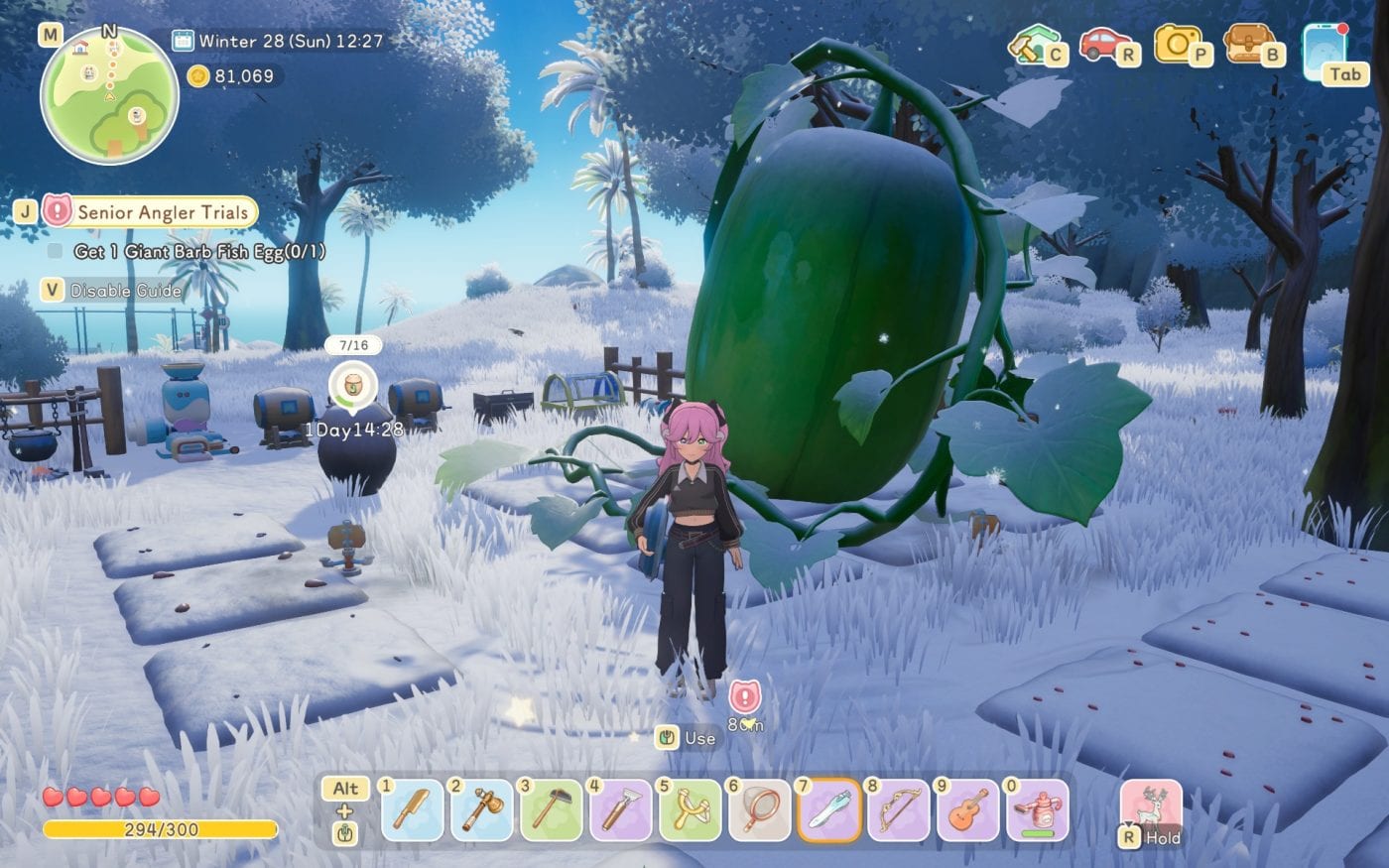
Controversy has also surrounded the game: shortly after launch, Starsand Island faced a “praise bombing” on Steam, with suspicious reviews (likely AI-generated). Seed Sparkle Lab denied involvement and reported the issue to Valve, but the incident cast doubt on the game’s credibility. Despite this, the current gameplay experience has its merits: polished graphics, a relaxing atmosphere, and potential, especially with future updates (multiplayer, mod support, improved voice acting).
The Crossover with My Time at Portia and Sandrock
Starsand Island doesn’t just draw inspiration from genre giants, it builds a bridge to Pathea Games’ My Time at series. Through an official collaboration, the game features beloved characters from previous titles as special visitors: Gust and Ginger (architect and sister from My Time at Portia), followed by Fang and Nia (My Time at Sandrock).
These characters aren’t mere cameos; they integrate into the island’s story with unique interactions, enriching the experience for longtime fans. The map even includes direct references to Portia and Sandrock as train-accessible locations, hinting at a shared universe or a deliberate homage for dedicated players.
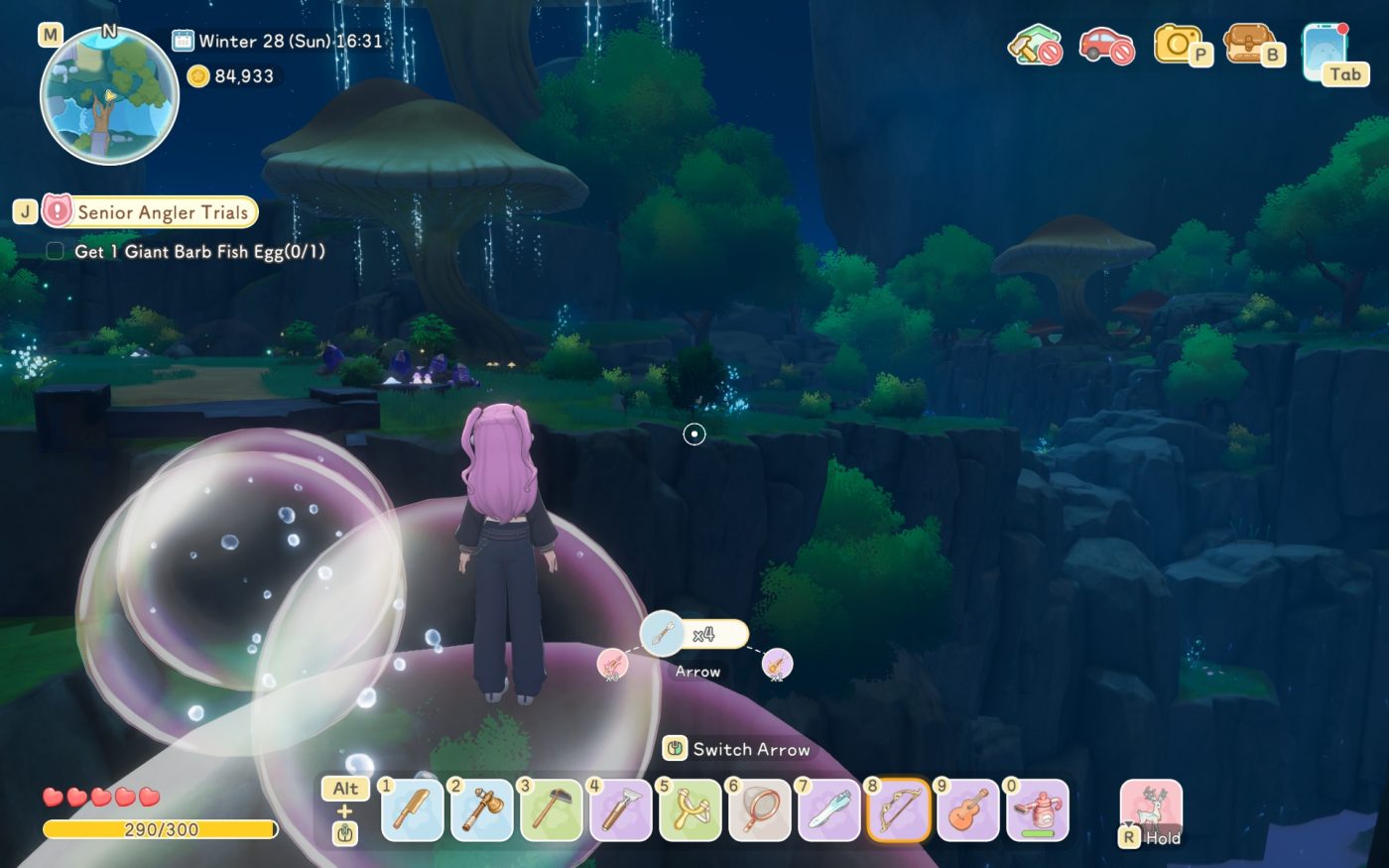
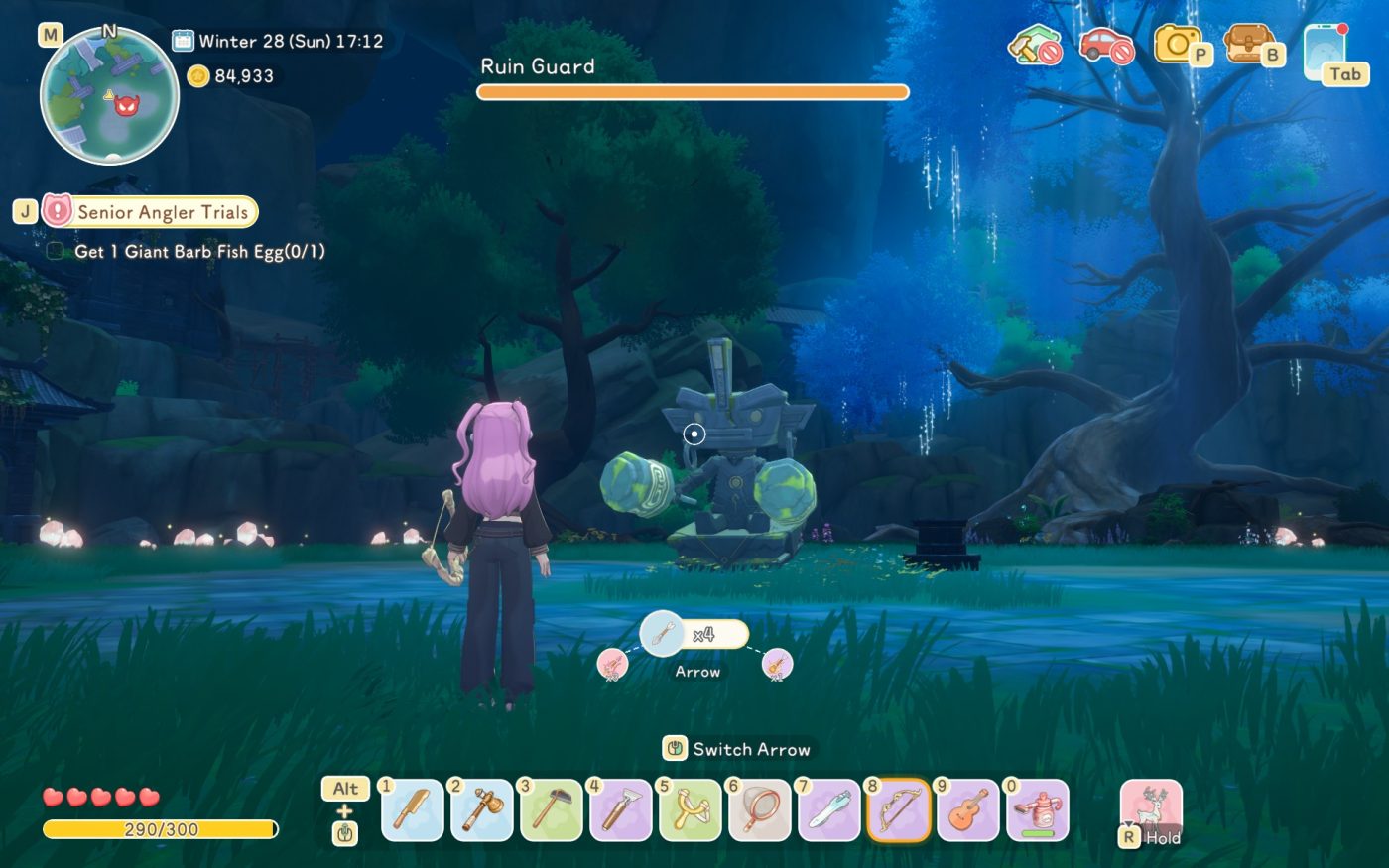
This synergy extends to joint promotions, like the My Time at Starsand Island bundle, combining all three games. While this connection creates a cohesive experience, it may disappoint players seeking something entirely original rather than an extension of existing franchises.
Conclusion: A Rough Diamond Worth Polishing
Starsand Island stands out in the life simulator genre thanks to its 3D freedom, charming aesthetic, and genuinely cozy atmosphere. However, shallow character development, persistent bugs, and an unjustified price tag make it a cautious buy. If you’re a fan of the genre and looking for a relaxing alternative to Stardew Valley, Starsand Island might appeal to you, but with the understanding that it’s still a work in progress.
To try Starsand Island or follow its future developments, visit the official Steam page and join the community for updates!
Starsand Island
PRO
- Immersive 3D – Free 360° exploration for a more engaging experience.
- Charming aesthetic – Anime-inspired graphics, polished and relaxing.
- Collaborations – Crossover characters from My Time at Portia/Sandrock for genre fans.
CON
- Flat characters – NPCs with repetitive dialogue and little narrative depth.
- Annoying bugs – Graphical glitches and technical issues in Early Access.
- Limited content – High price for an experience still in development with few adventurous areas.


8/10