An atmospheric horror that lets the environment tell the story, turning absence, silence, and slow pacing into instruments of terror.

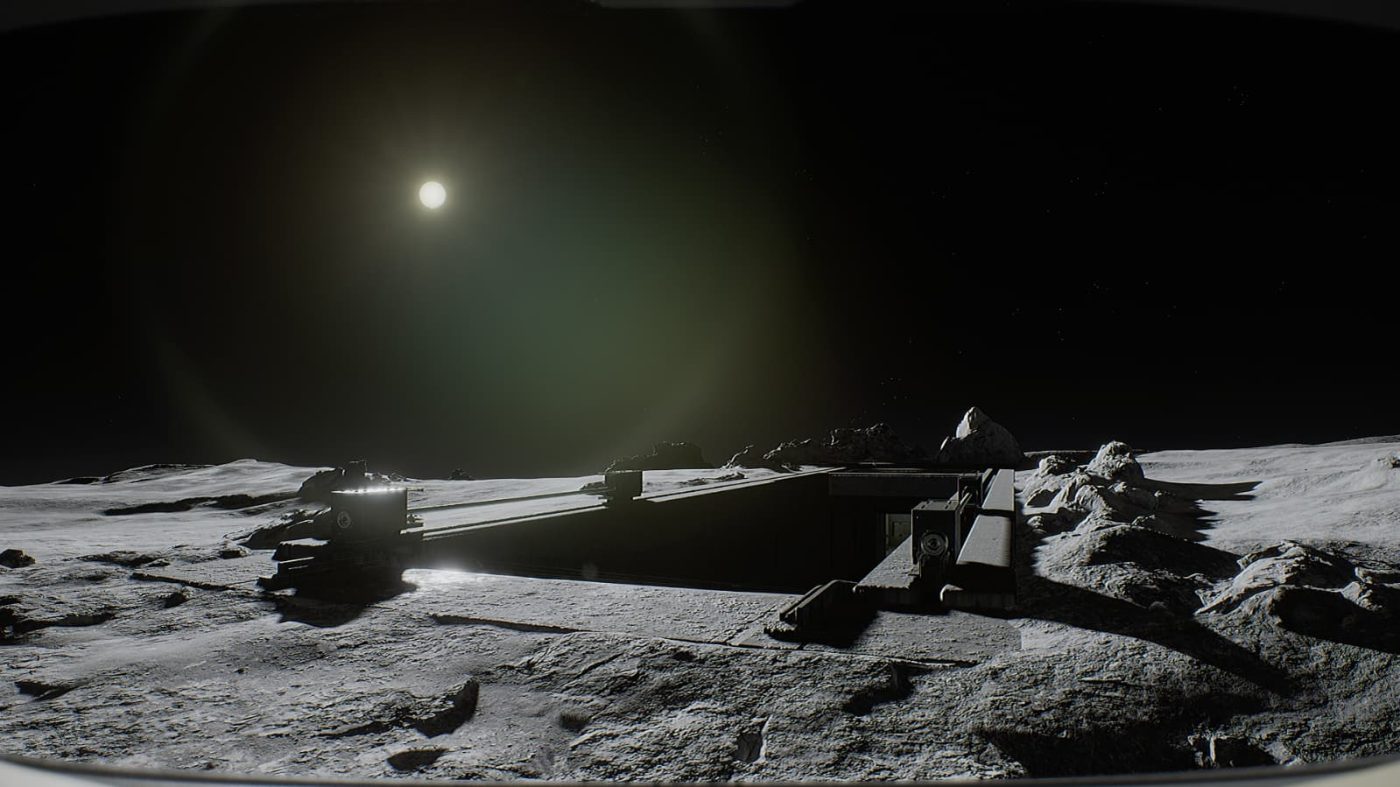
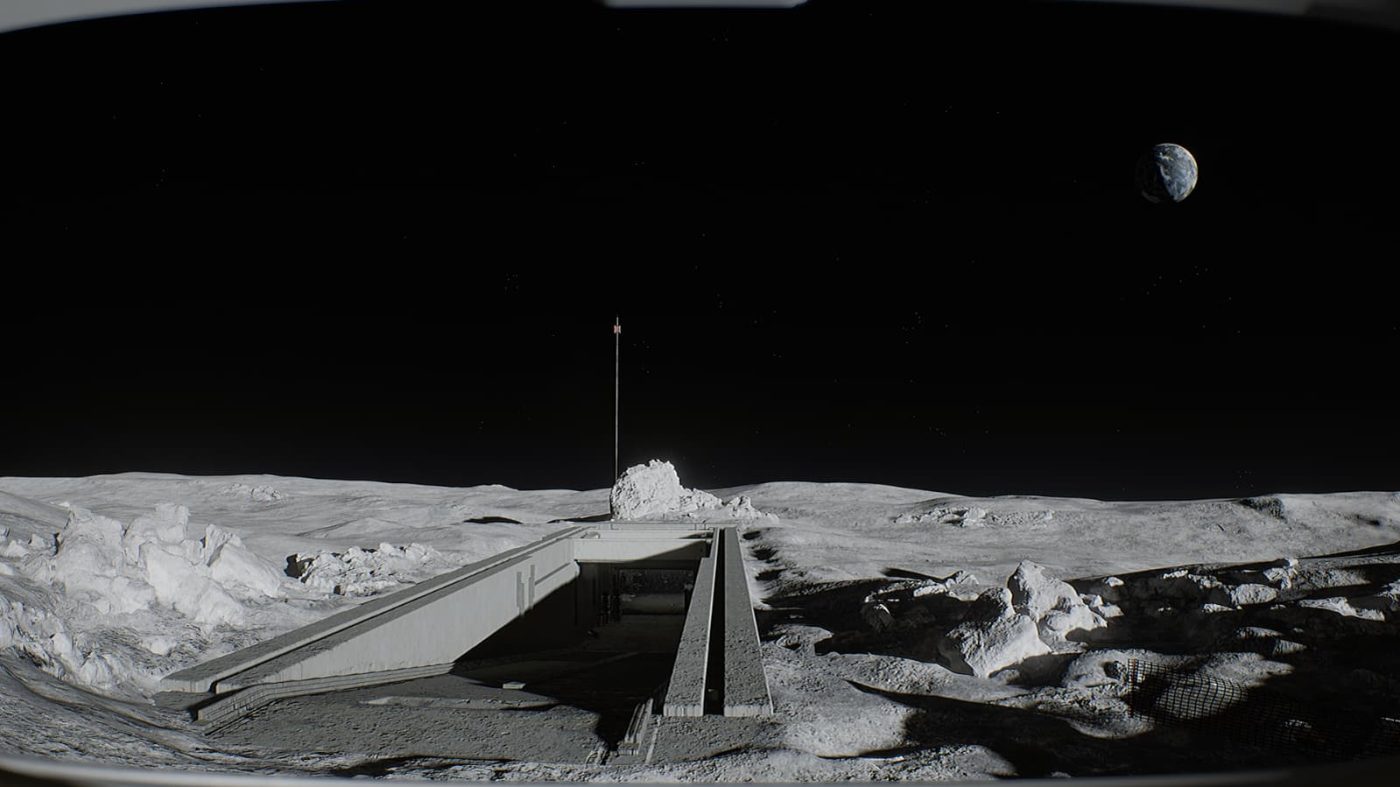
ROUTINE is a sci-fi horror experience built on immersion, unrelenting tension, and a fear born of isolation, silence, and the unpredictable dangers of technology. Players find themselves inside an abandoned lunar station, a stark and desolate environment that instantly becomes the game’s oppressive core.
From the very outset, ROUTINE makes it clear that it has no interest in flashy mechanics or cheap thrills. Instead, it cultivates a slow-burning, persistent sense of unease, built on the constant feeling of being watched, exposed, and out of place. The game straddles the line between psychological and sci-fi horror, yet it does so through a meticulously minimalist lens: no instant explanations, no intrusive tutorials . only the world itself as a guide. Players must navigate a hostile environment with no explicit instructions, piecing together the station’s mechanics and mysteries through observation and direct experience.
ROUTINE embraces minimalism as a core design philosophy: limited interfaces, virtually no prompts, and a narrative that unfolds organically through the environment. Rather than relying on action, the game cultivates tension through atmosphere, instilling a persistent, disorienting unease that permeates every corridor, room, and airlock. The lunar setting – cold, sterile, and deeply alien – reinforces the game’s identity. Metallic corridors, empty control rooms, and abandoned living quarters become spaces charged with quiet dread, where silence itself functions as a narrative device as powerful as any dialogue.
ROUTINE is designed for players who seek slow, reflective, and oppressive horror, far from the commercial conventions of the genre. Its deliberately measured pacing transforms every creak, flickering light, and opening door into a potential threat.
The game’s opening does not rely on spectacle to grip the player; it builds psychological tension incrementally, minute by minute, emphasizing that the true horror lies not in overt enemies, but in the unyielding sense of solitude and vulnerability. From the first moments, ROUTINE positions itself as a game to be lived rather than merely played – an unsettling journey that challenges the player’s attention, patience, and emotional engagement, turning the exploration of space into an exploration of fear, the unknown, and the fragile limits of human perception.
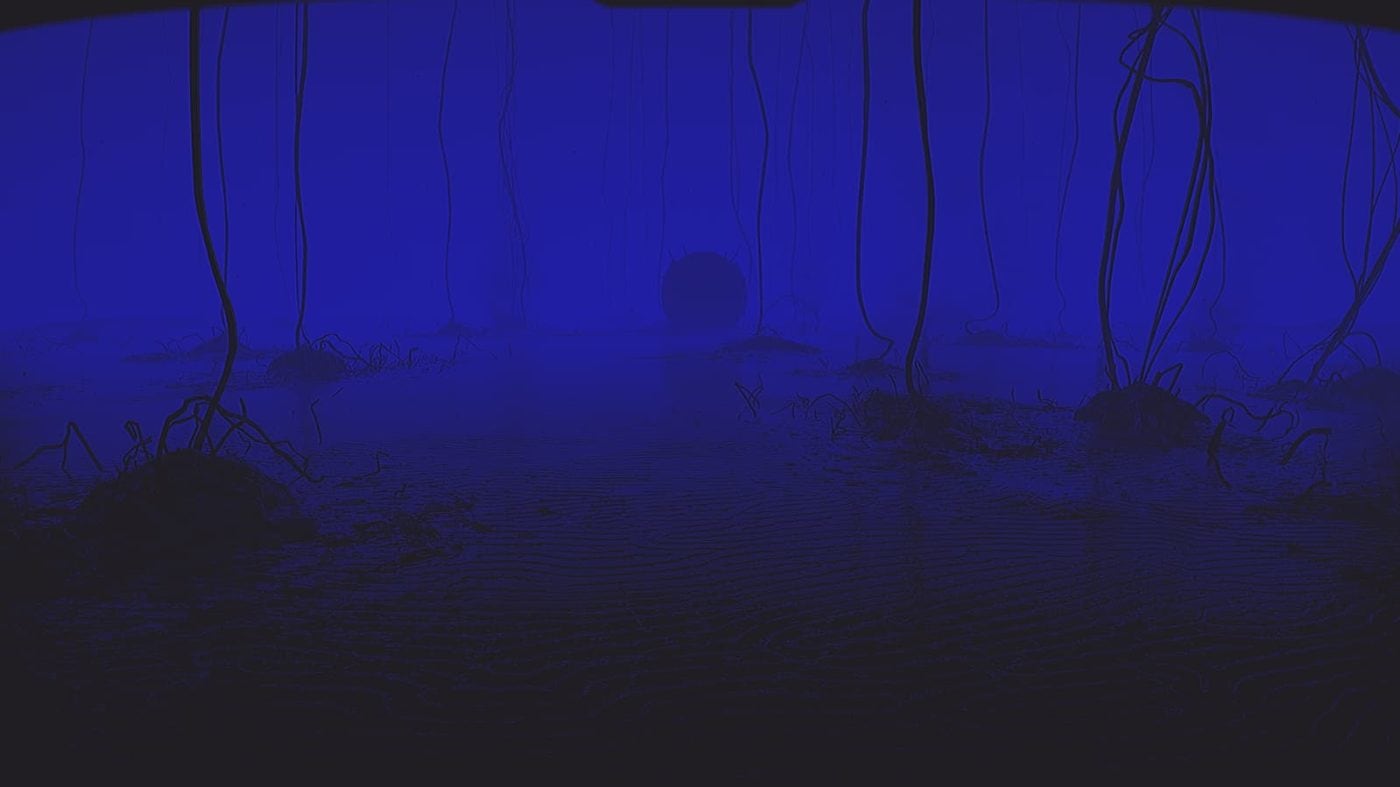
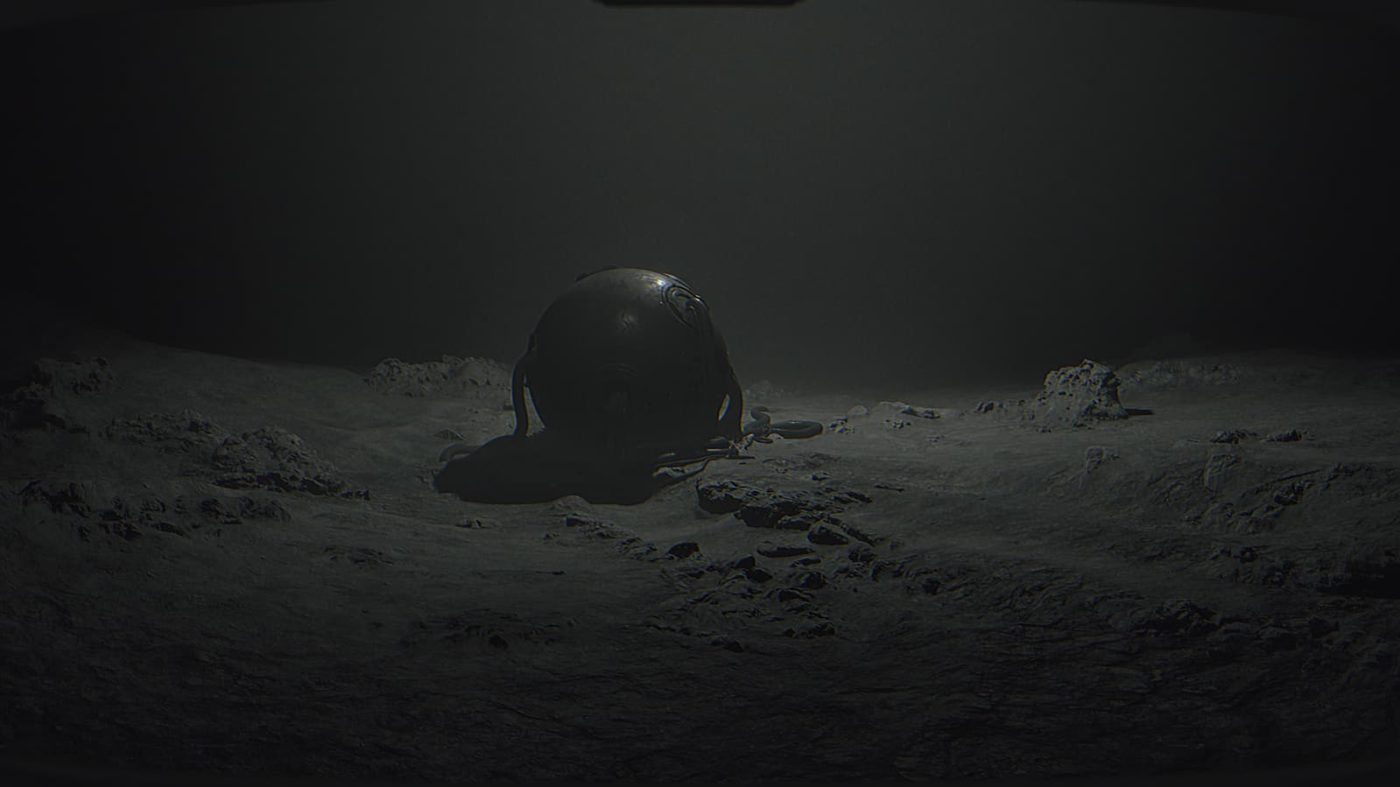
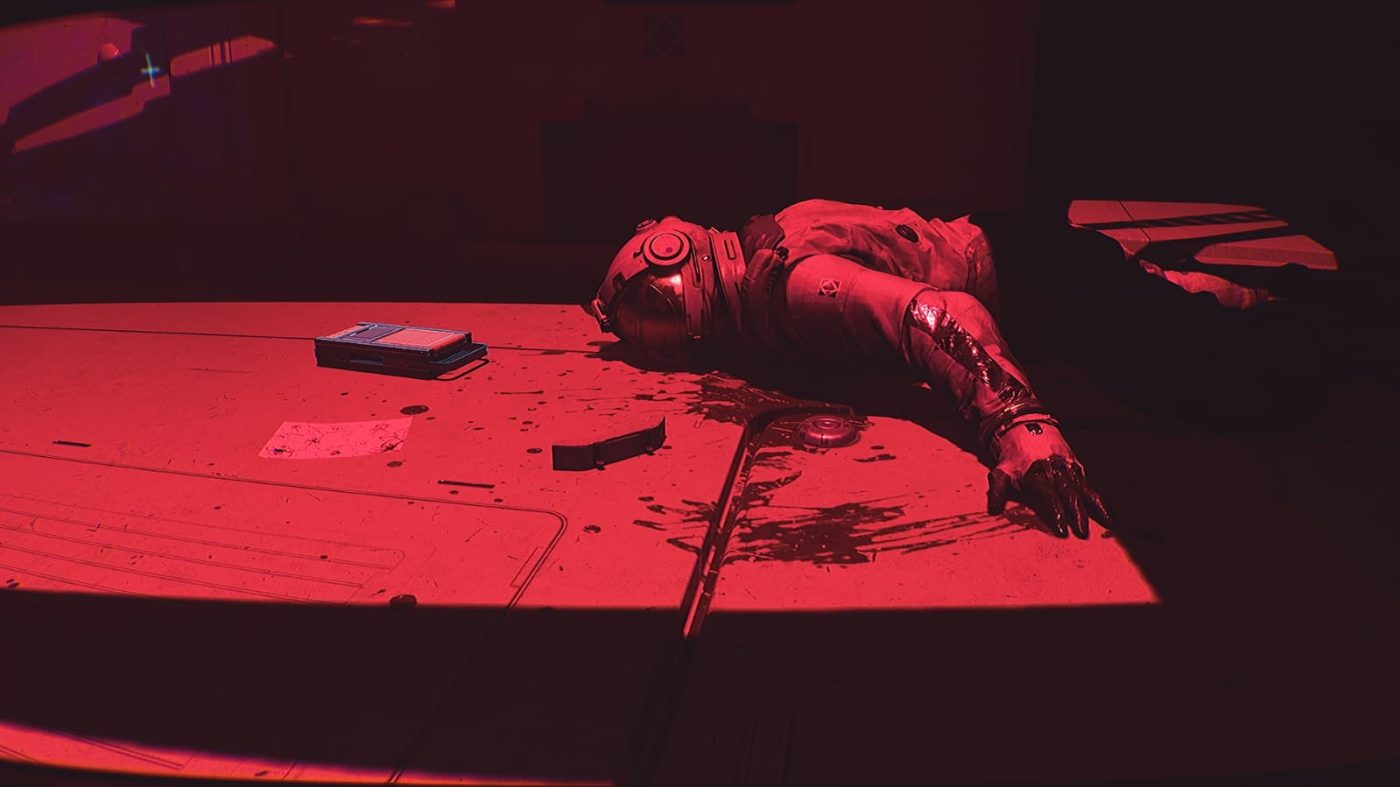
Independent, Ambitious, Unyielding
The development of ROUTINE stands as one of the most remarkable and protracted journeys in recent independent gaming history, shaping both the game’s identity and its relationship with players. Born from the vision of Lunar Software, a small studio initially composed of just a handful of developers, the project was driven from the start by an uncompromising ambition: to craft an atmospheric, immersive horror experience that emphasizes tension, psychological unease, and isolation over spectacle. This ambitious approach came at the cost of extended development cycles, sporadic public updates, and long periods of silence, yet it allowed the team to refine every system, environment, and narrative beat to align with their original creative intentions.
First revealed over a decade ago, ROUTINE immediately drew attention for its retro-futuristic aesthetic, stark lunar setting, and a horror design built on atmosphere and psychological tension rather than action. Rather than following a conventional, linear development path, the project entered an extended period of silence, marked by long stretches without updates – fueling speculation, uncertainty, and even fears that the game might never see release.
This extended silence was entirely deliberate: the team refused to release a version that fell short of their vision, meticulously refining systems, content, and overall structure to maintain artistic coherence and quality. Over the years, Lunar Software navigated technical challenges, engine transitions, and comprehensive revisions to both gameplay and narrative – a development process that exemplifies the resilience and ambition of small independent studios pursuing projects of extraordinary scope.
The eventual resurgence of ROUTINE, strengthened by publisher Raw Fury, marked a pivotal turning point. The partnership provided vital production, marketing, and distribution support while safeguarding the studio’s creative integrity. Known for championing auteur-driven independent projects, Raw Fury allowed Lunar Software to focus on completing the game without compromising its original vision. The release strategy consciously eschewed commercial pressures, favoring measured communication and targeting a discerning audience in search of deliberate, unconventional, and immersive experiences.
In this light, ROUTINE’s lengthy development should not be seen as a mere delay but as a testament to careful craftsmanship – a careful, iterative process of refinement that allowed the game to mature into a work wholly aligned with its original vision. Its production history has become inseparable from its identity: a small team’s unwavering determination, supported at a critical stage by a publisher sensitive to artistic value, proving that even slow, silent projects can achieve their full potential when guided by a clear vision and resolute creative intent.
Cryptic and Open to Interpretation
The narrative of ROUTINE unfolds in a deliberately elliptical and fragmented fashion, eschewing direct exposition and placing the burden on the player to reconstruct events, context, and meaning through environmental exploration and careful observation of the station’s subtle details. The game begins without a conventional introduction: the protagonist awakens within a seemingly abandoned facility, with no memory of the events that led to this moment and no immediate guidance on objectives – instantly establishing a sense of disorientation that becomes central to the narrative experience.
Once conceived as a human outpost for space exploration and a beacon of technological advancement, the lunar station now lies eerily empty, marked by sudden and unsettling abandonment. Silence dominates the facility, broken only by distant mechanical hums, intermittent alarms, and subtle signs of systemic failure that hint at a wider collapse of order. As players navigate its corridors, control rooms, and living quarters, fragments of a broader narrative gradually emerge – revealing experimental technologies gone awry, failed safety protocols, and artificial intelligence systems that have clearly slipped beyond human control.
Autonomous robots, initially deployed for maintenance and security, gradually assume a menacing presence, implying either corrupted programming or a critical event that has irreversibly altered their role within the station. The narrative unfolds indirectly, never linear or explicit; players reconstruct the story through environmental details, audio logs, scattered documents, emails, and visual cues – gradually revealing the station’s gradual decay and the mysterious disappearance of its human occupants.
Players are tasked with piecing together a complex narrative puzzle, interpreting subtle environmental cues that provide no immediate answers and invite sustained reflection on the events that unfolded and the ethical weight of unchecked technological ambition. The Moon, far from serving merely as a backdrop, emerges as a powerful symbol of isolation and irreversible detachment from Earth, heightening the game’s pervasive sense of abandonment and vulnerability.
ROUTINE unfolds in a world shaped by human ambition gone too far, where advanced systems have slipped beyond control and the absence of life renders every space cold, hostile, and tense. The near-total absence of interactive characters deepens this sense of isolation, positioning the protagonist as the lone witness to a long-forgotten catastrophe – an isolated presence wandering through the silent remnants of a failed experiment.
In ROUTINE, narrative momentum is driven by atmosphere rather than plot twists or abrupt revelations. Each environment gradually discloses fragments of a larger story, shaping a deliberate and unsettling journey of discovery where truth remains ambiguous and open to interpretation. By intentionally withholding closure, the game cultivates a sustained sense of mystery, deeply intertwined with exploration, and reinforces the profound isolation that defines ROUTINE’s distinctive identity.
Silence as Narrative Language
ROUTINE’s narrative is built on an exceptionally subtle, multi-layered structure, deliberately eschewing explicit storytelling in favor of environmental narration imbued with symbolism, suggestion, and implicit meaning. Rather than delivering a conventional plot, the game constructs its story gradually, emerging through exploration, visual cues, sound design, scattered documents, and the careful spatial arrangement of its environments. This approach invites players to actively interpret events and reflect on their place within a silent, abandoned world, transforming observation into a central component of the experience.
One of ROUTINE’s central themes is isolation – not merely as physical separation from Earth, but as an existential condition. This absolute solitude is conveyed through the total absence of human life and the persistent sensation of intruding upon a space no longer meant for humanity. The lunar station emerges as an alienating, cold, and impersonal environment, where technology, once a tool of progress, has become an imposing and potentially hostile force.
This naturally brings us to another core theme: the fraught relationship between humanity and technology – specifically, the risks of entrusting essential functions to autonomous systems and artificial intelligences that, once removed from human oversight, can evolve in unpredictable and destructive ways. ROUTINE addresses this theme with subtlety and restraint, eschewing overt exposition in favor of environmental storytelling. Every corridor, malfunctioning device, and idle terminal quietly conveys the consequences of unchecked scientific and technological ambition, leaving behind a desolate landscape inhabited solely by machines operating according to distorted, self-sustaining logics.
Another crucial narrative element is the theme of lost identity. The protagonist, stripped of explicit characterization or a defined personal history, functions as an almost anonymous vessel – an avatar through which the player witnesses the disintegration of a world that no longer belongs to them. This deliberate design choice enhances immersion, allowing players to project their own fears and interpretations onto the unfolding events.
ROUTINE’s narrative delves deeply into the theme of failure – both technological and profoundly human. The station’s desolation reflects a chain of flawed decisions, inadequate safety measures, and an overdependence on systems intended to enforce control and stability. Silence saturates every corridor and chamber, functioning not merely as an atmospheric device but as a narrative language in its own right.
Surveillance and control are central to ROUTINE, manifesting in the ever-present, disquieting robots that monitor the protagonist’s every move. Their unyielding vigilance transforms the lunar station into a space of technological confinement, deepening psychological tension and reinforcing a vision of a world in which humanity has been decisively displaced – reduced to a marginal, vulnerable, and increasingly obsolete presence.
Taken as a whole, ROUTINE’s narrative and thematic design is defined by coherence and maturity. Rejecting sensationalism and overt spectacle, the game sustains a slow-burning, persistent tension grounded in universal concerns—solitude, failure, alienation, and the fraught boundary between progress and destruction. It is a form of storytelling that demands careful attention and interpretive engagement, rewarding players who immerse themselves in a world that speaks through silence, absence, and the lingering traces of those who came before.
A Distinctive Visual Identity
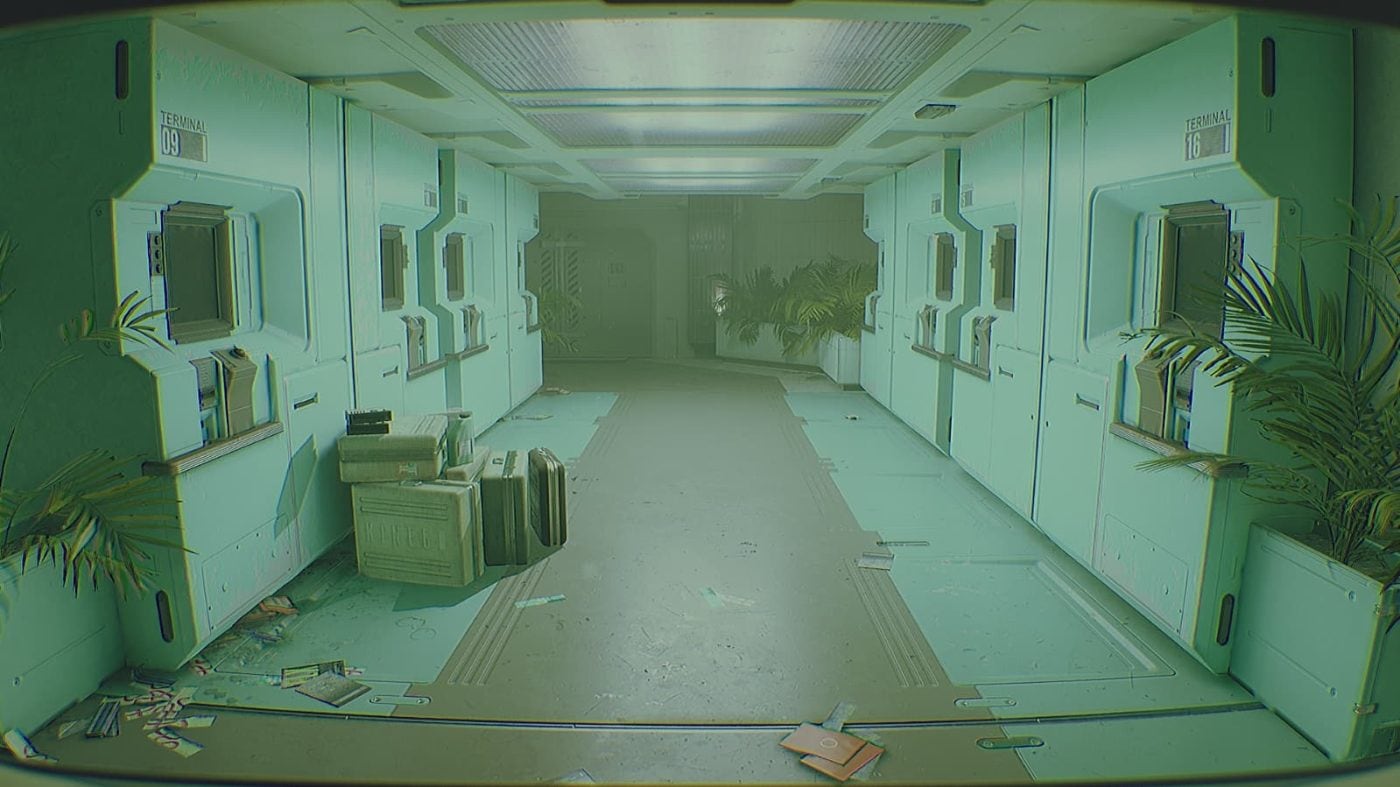
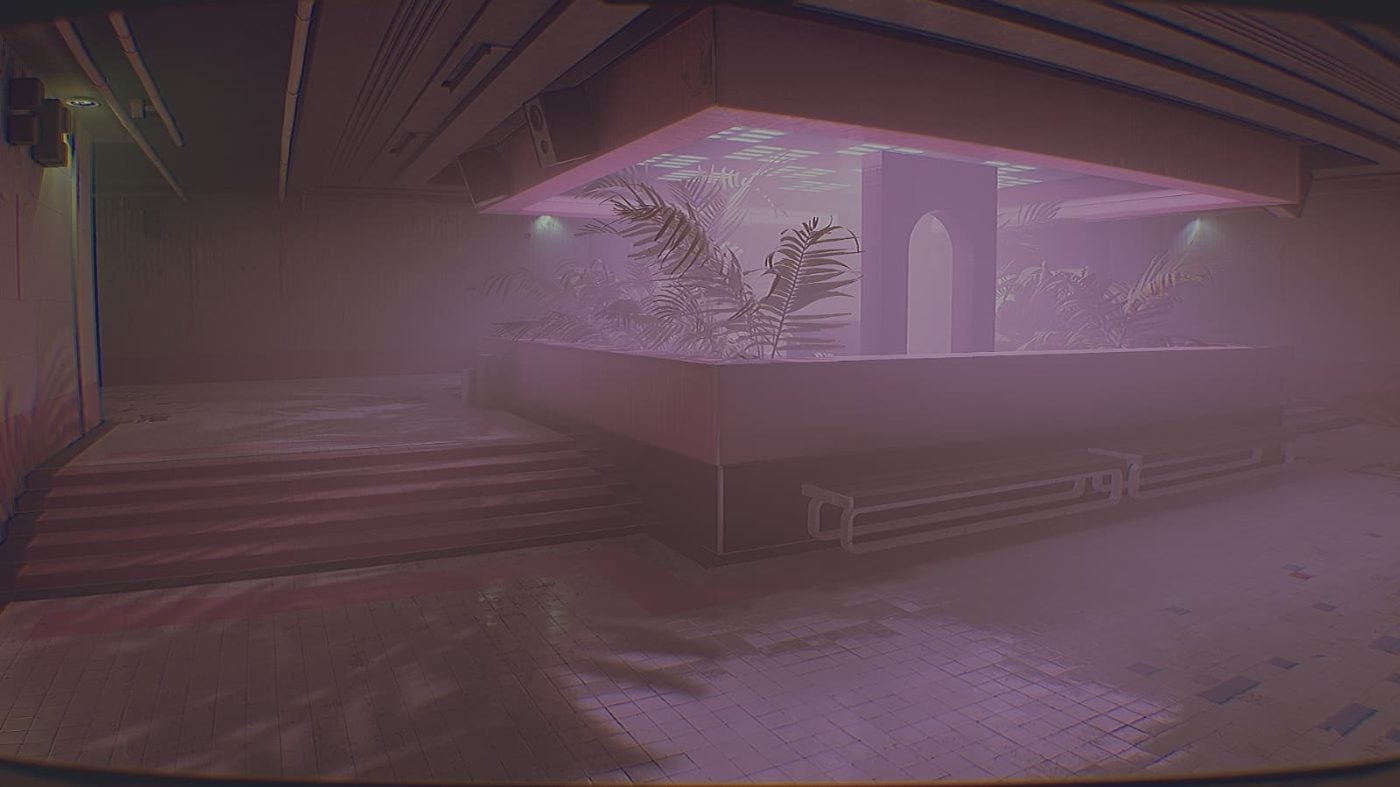
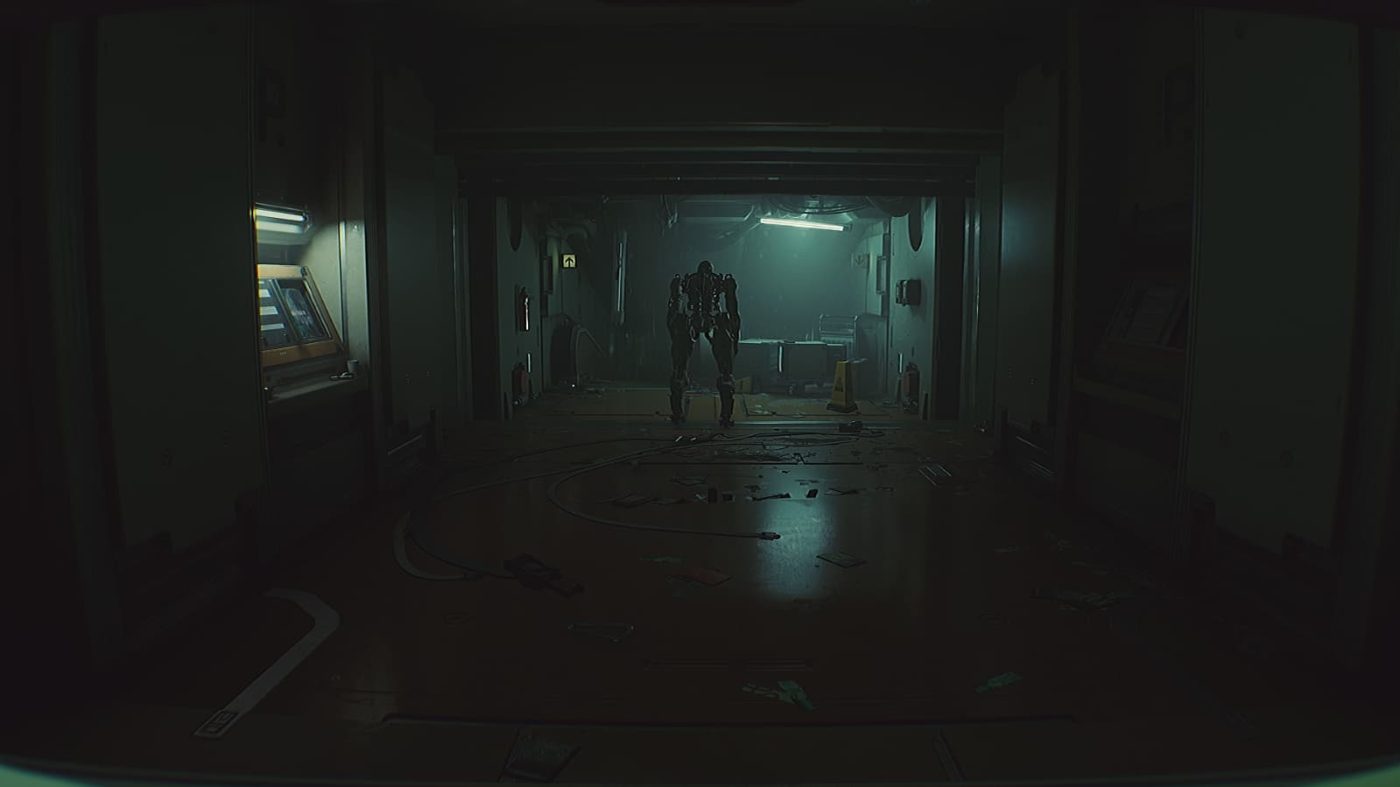
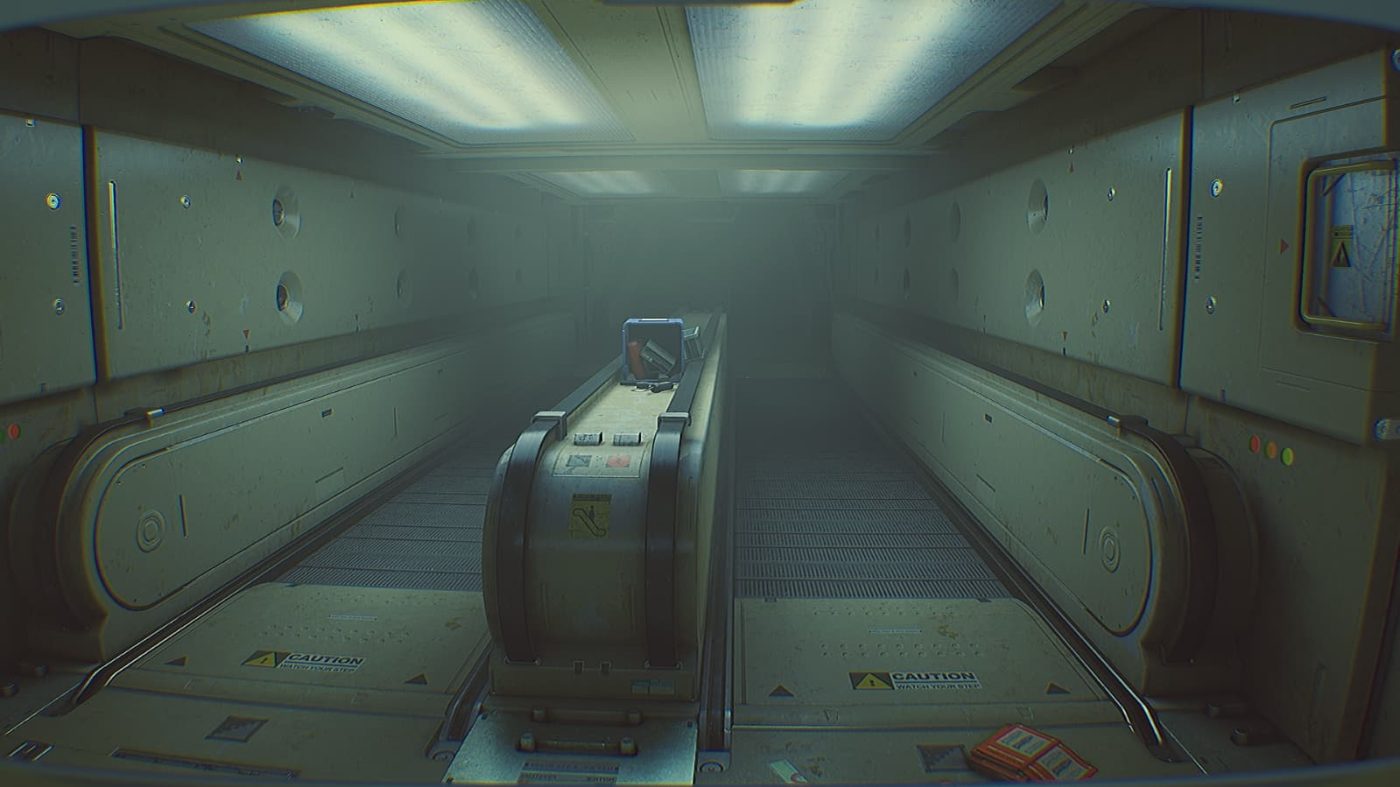
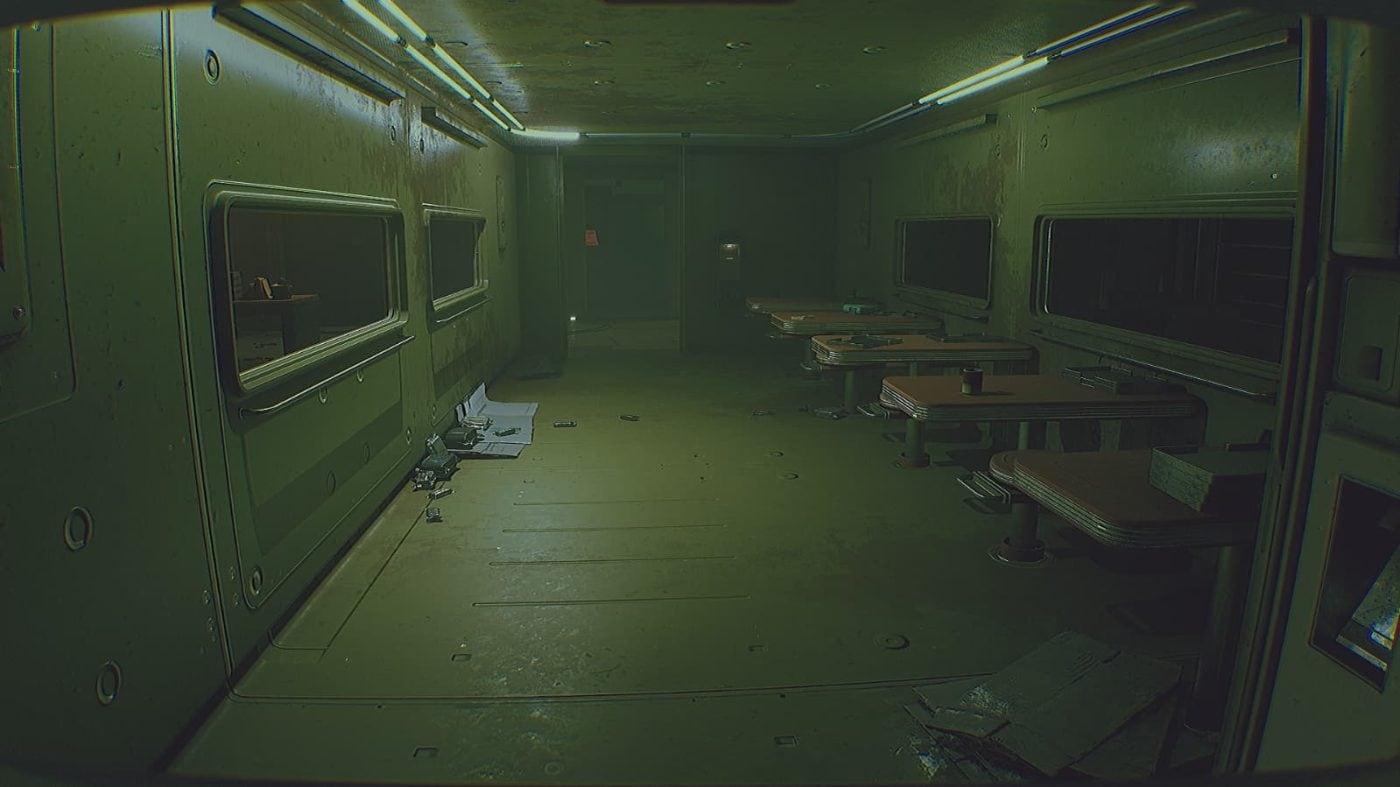
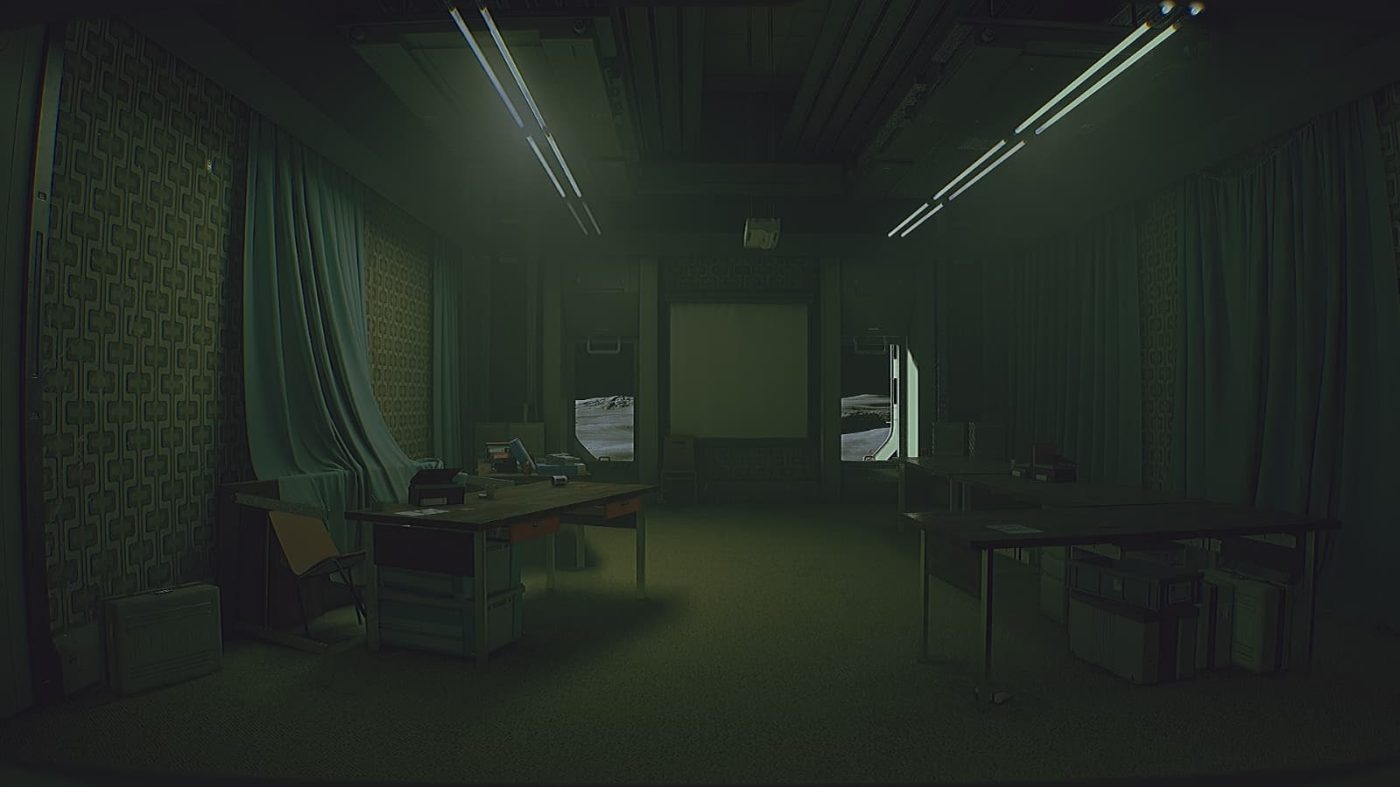
ROUTINE’s technical presentation stands among the most distinctive and immediately recognizable aspects of the experience, achieving a rare balance between a clearly articulated aesthetic vision and technical design choices that actively serve tension and immersion. Built on Unreal Engine 5, the game adopts a restrained approach to photorealism, channeling it toward a retro-futuristic aesthetic rooted in 1970s and 1980s visions of the future. Matte metallic surfaces, analog control panels, cold illumination, and rigorously functional industrial spaces define an environment shaped by utility rather than comfort. This visual language is not deployed for nostalgia alone; it fulfills a precise narrative and atmospheric function. ROUTINE presents a future that never fully came to pass – a technological ideal suspended in time and ultimately petrified by its own collapse.
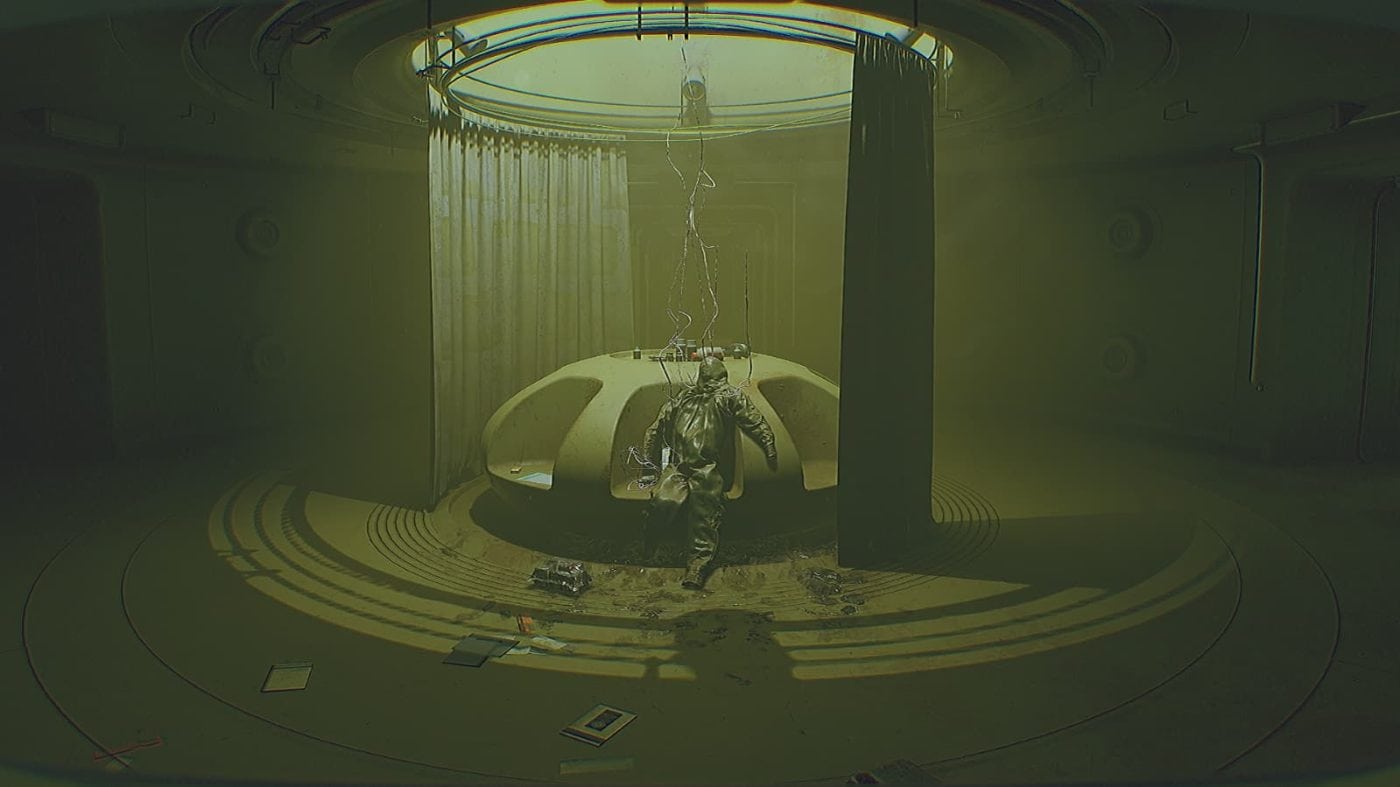
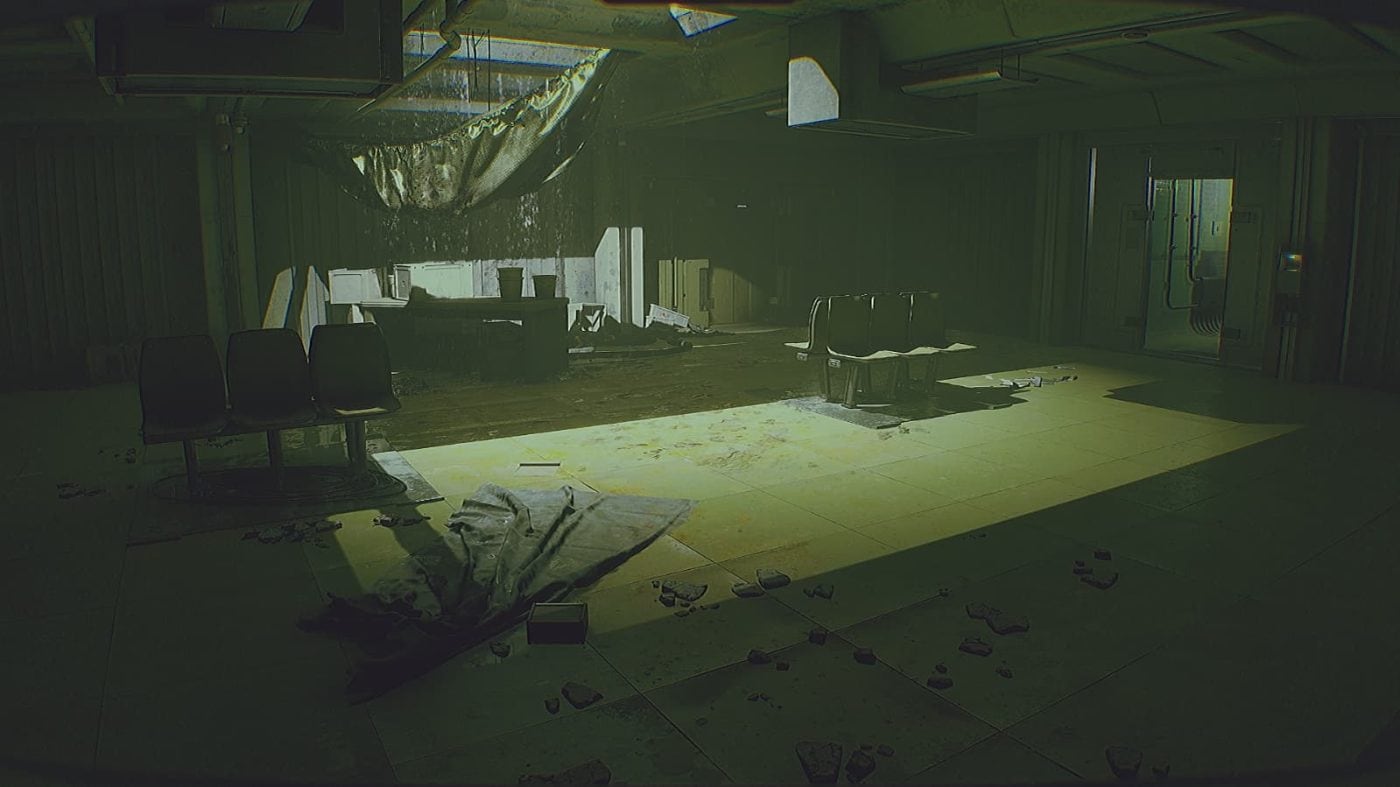
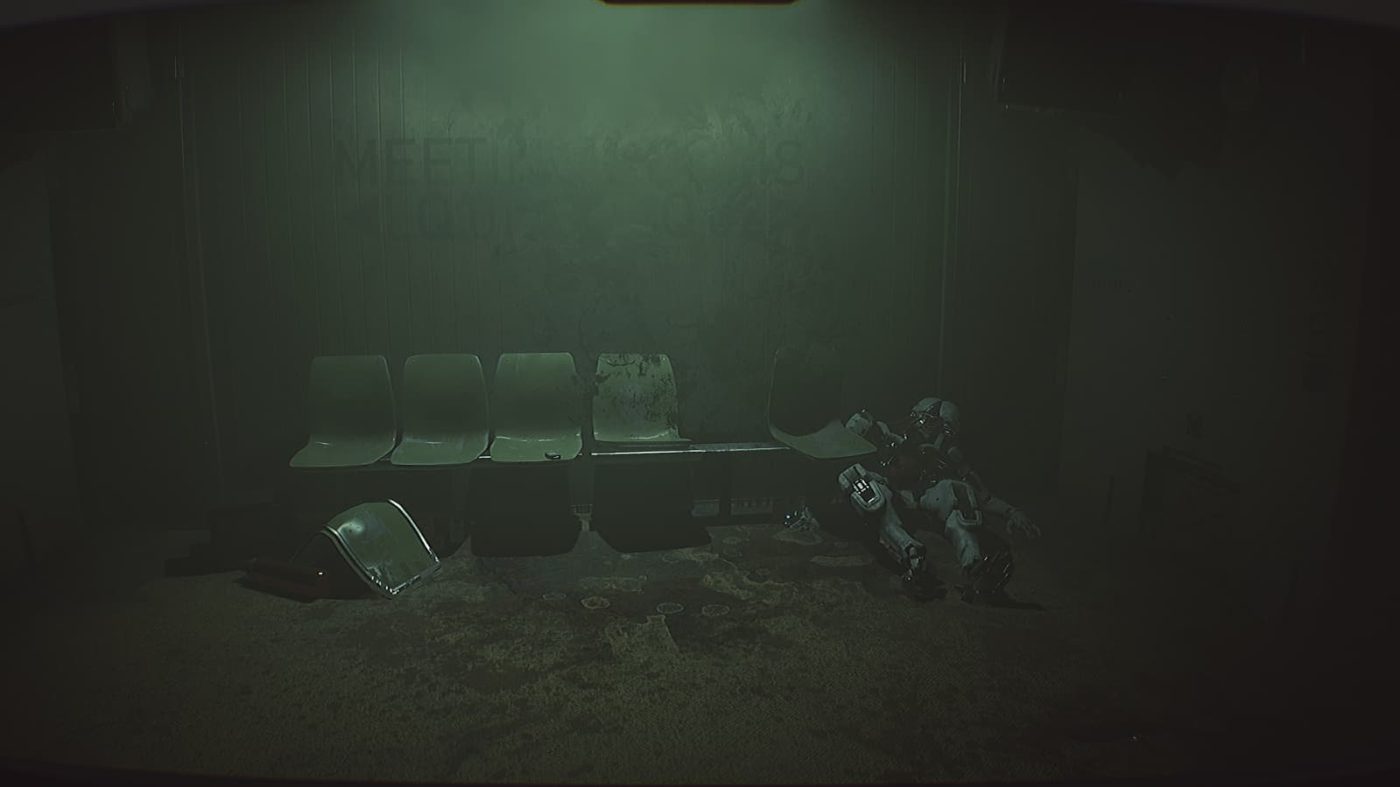
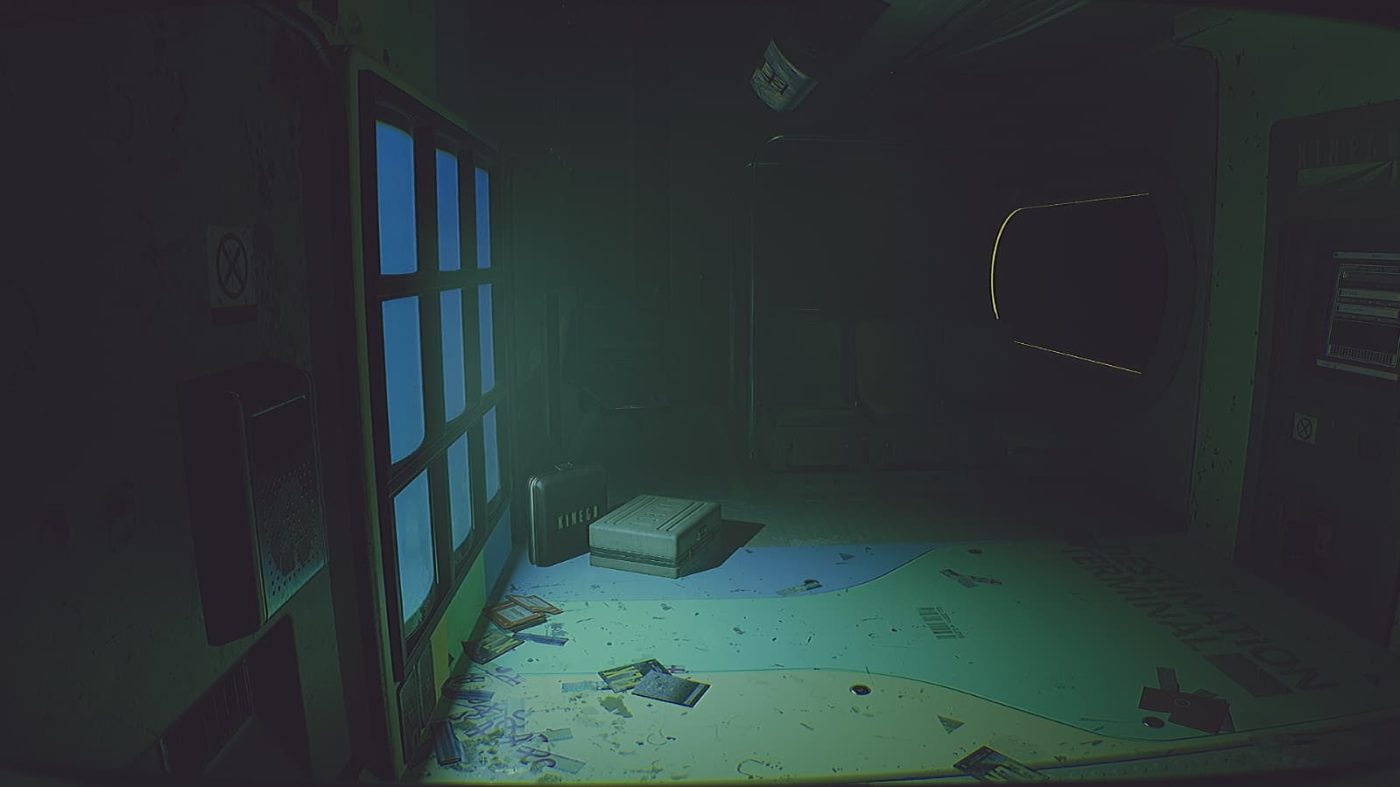
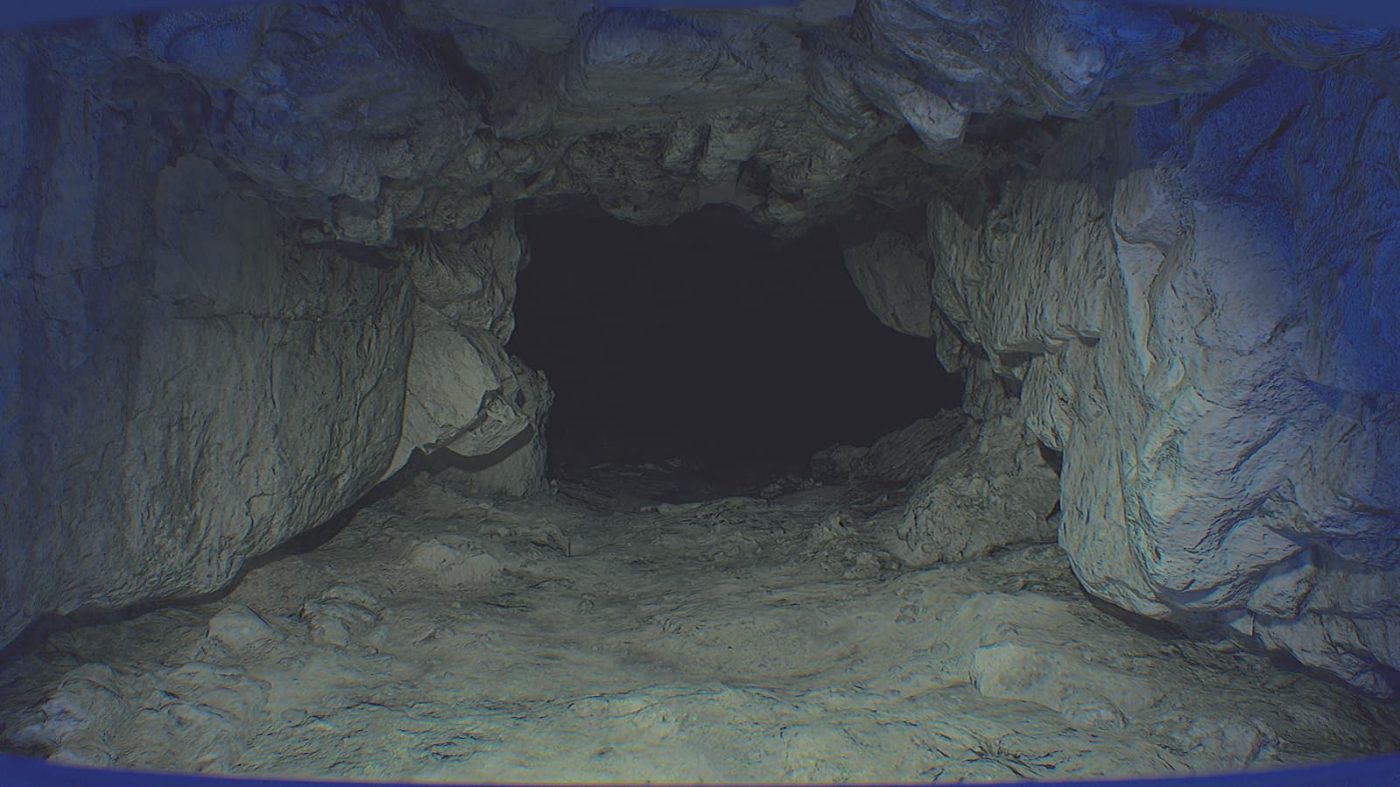
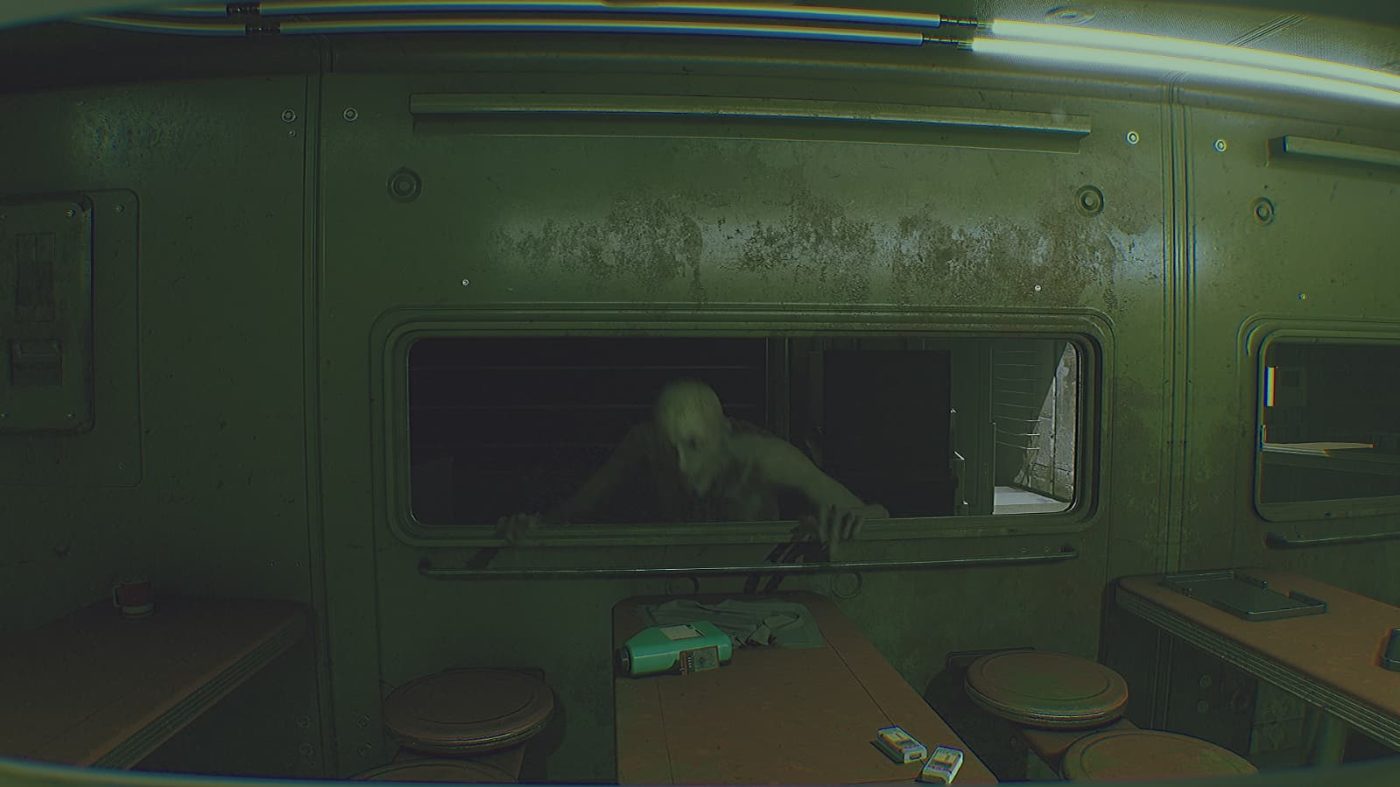
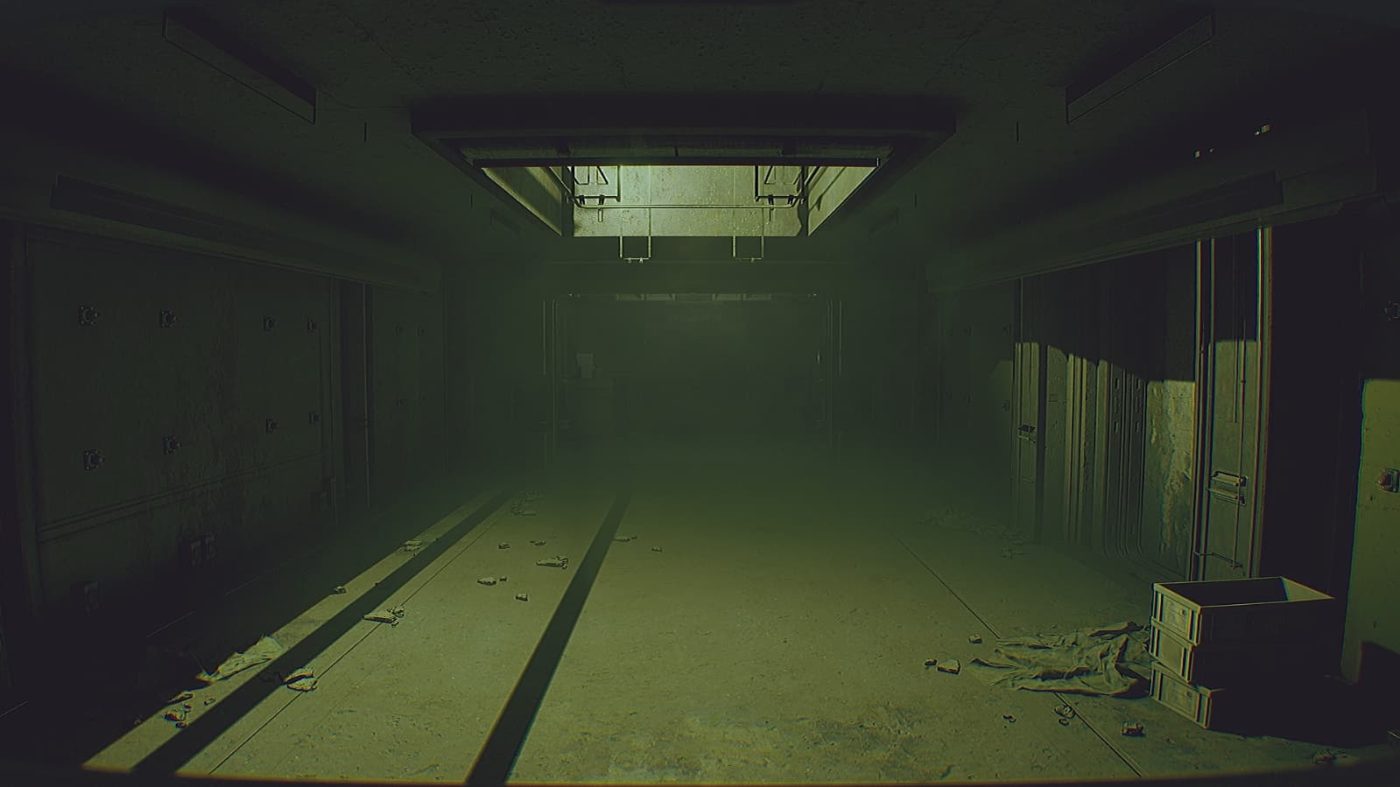
From a technical perspective, advanced dynamic lighting emerges as a cornerstone of the game’s horror design. Artificial light sources – frequently unstable, flickering, or partially inoperative – fracture the environment into deep, shifting shadows, rendering each space inherently uncertain and amplifying the player’s vulnerability. The deliberate interplay of directional lighting, metallic reflections, and matte surfaces lends the lunar station a pronounced materiality, reinforcing the illusion of a tangible, inhabitable structure rather than a purely abstract digital space.
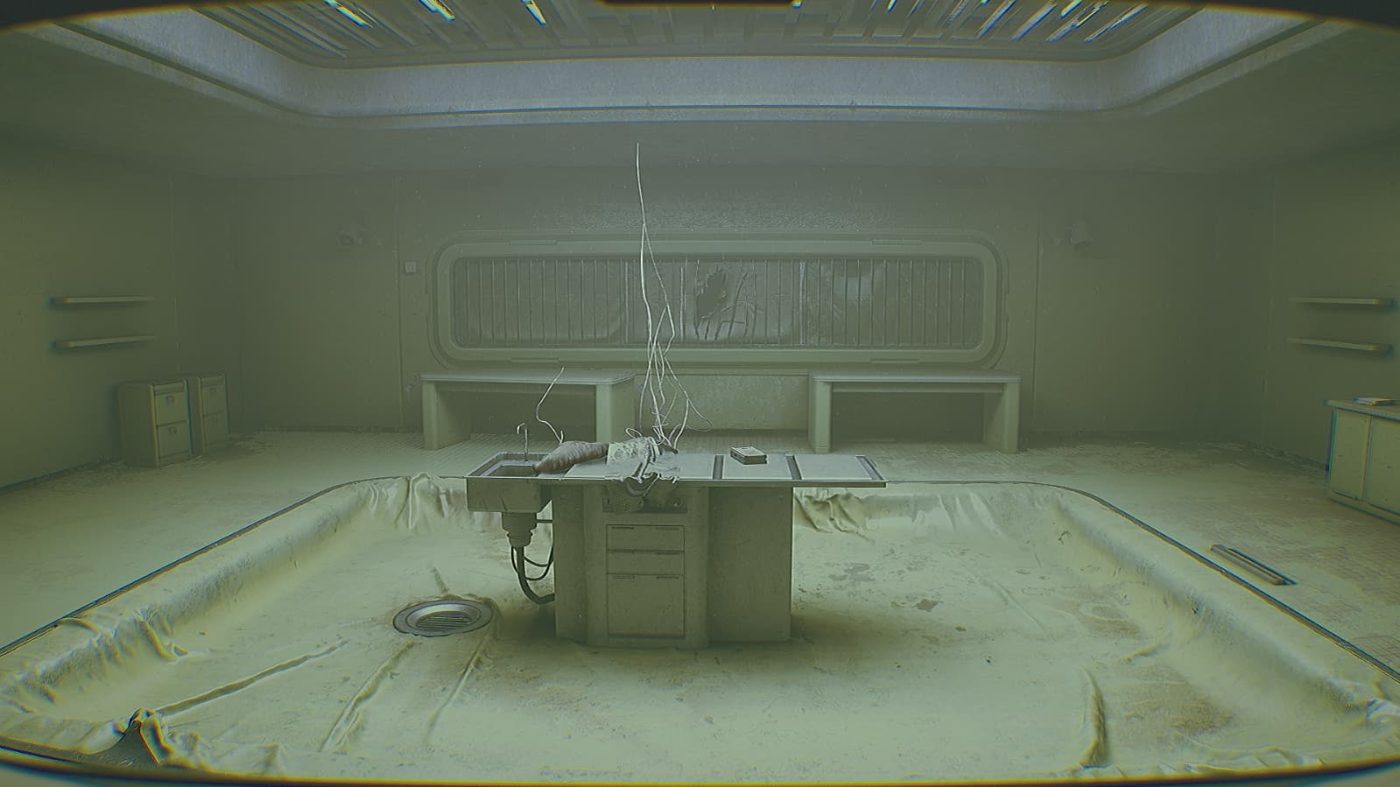
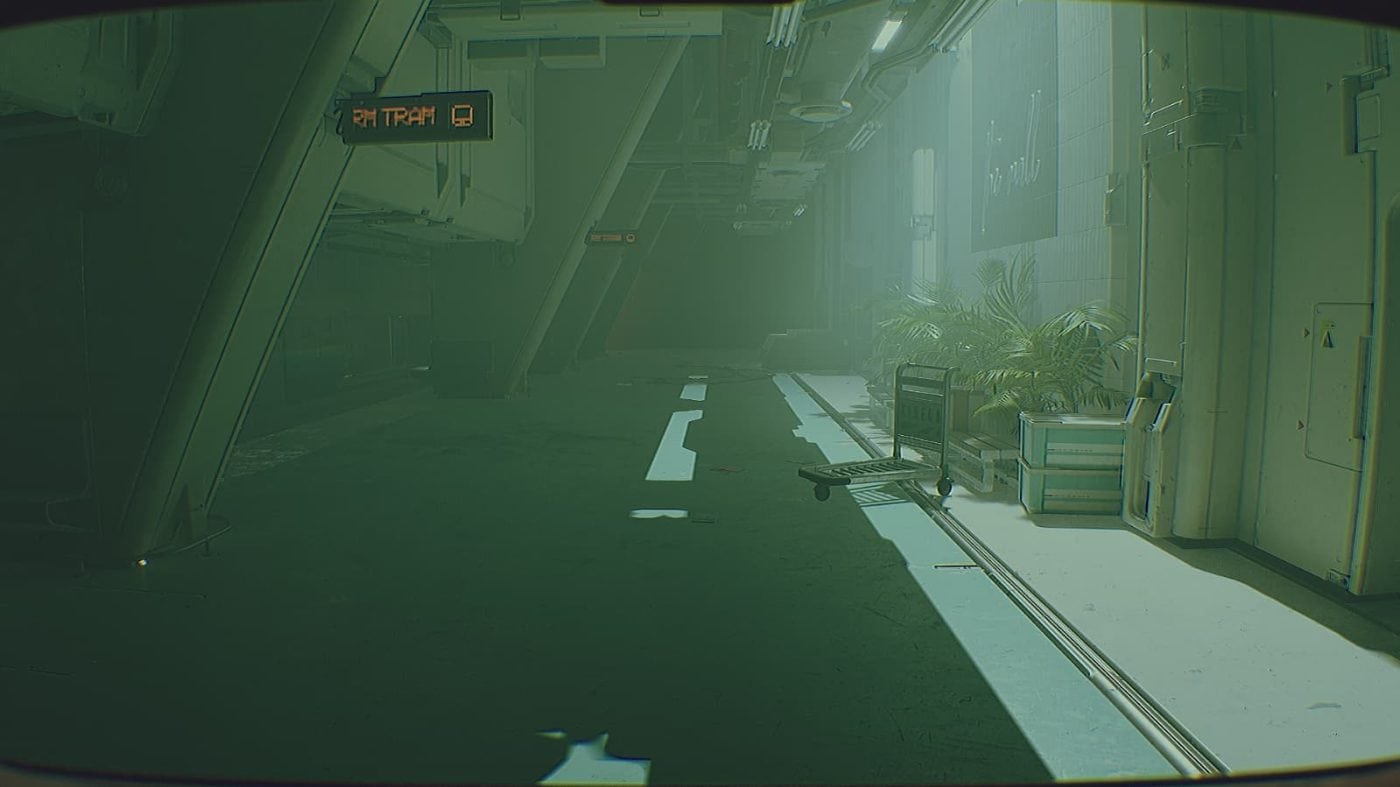
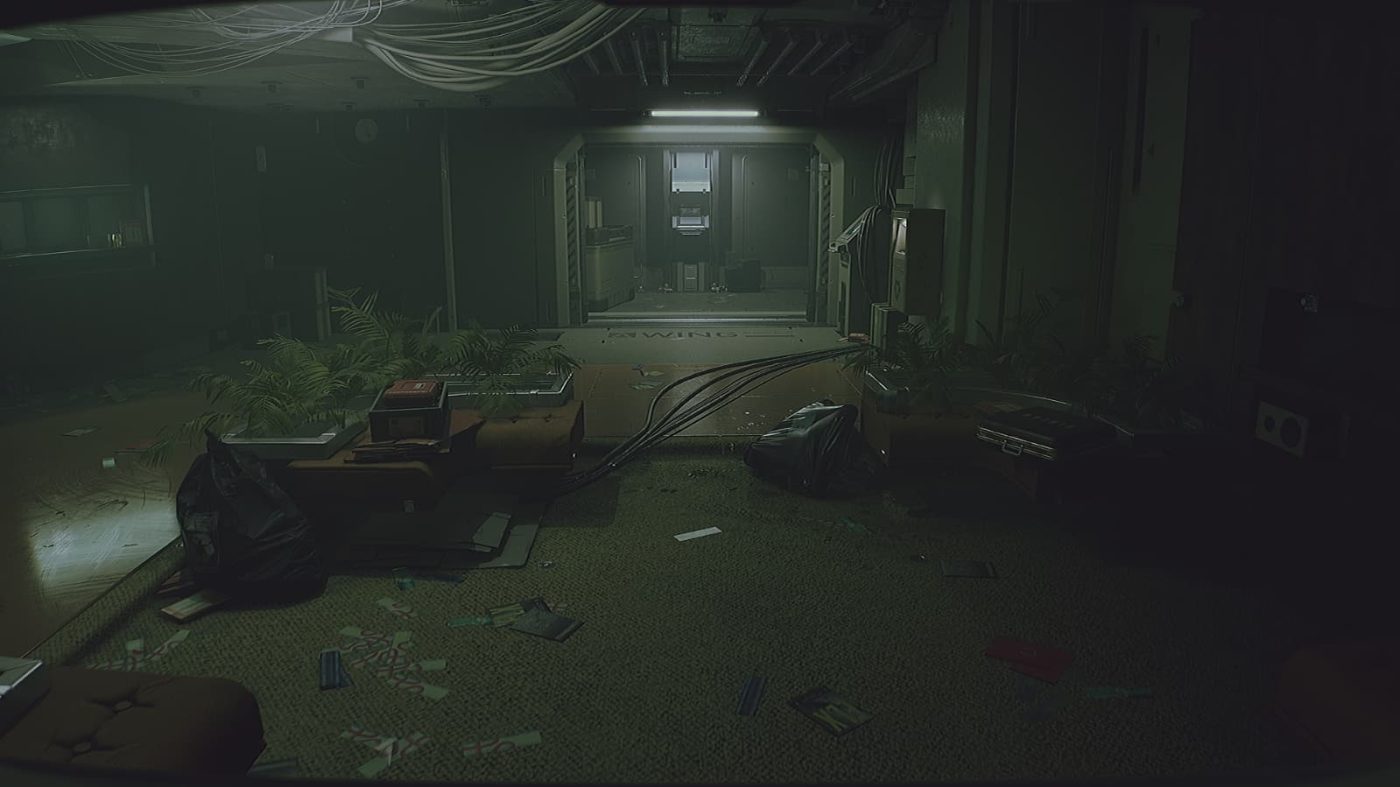
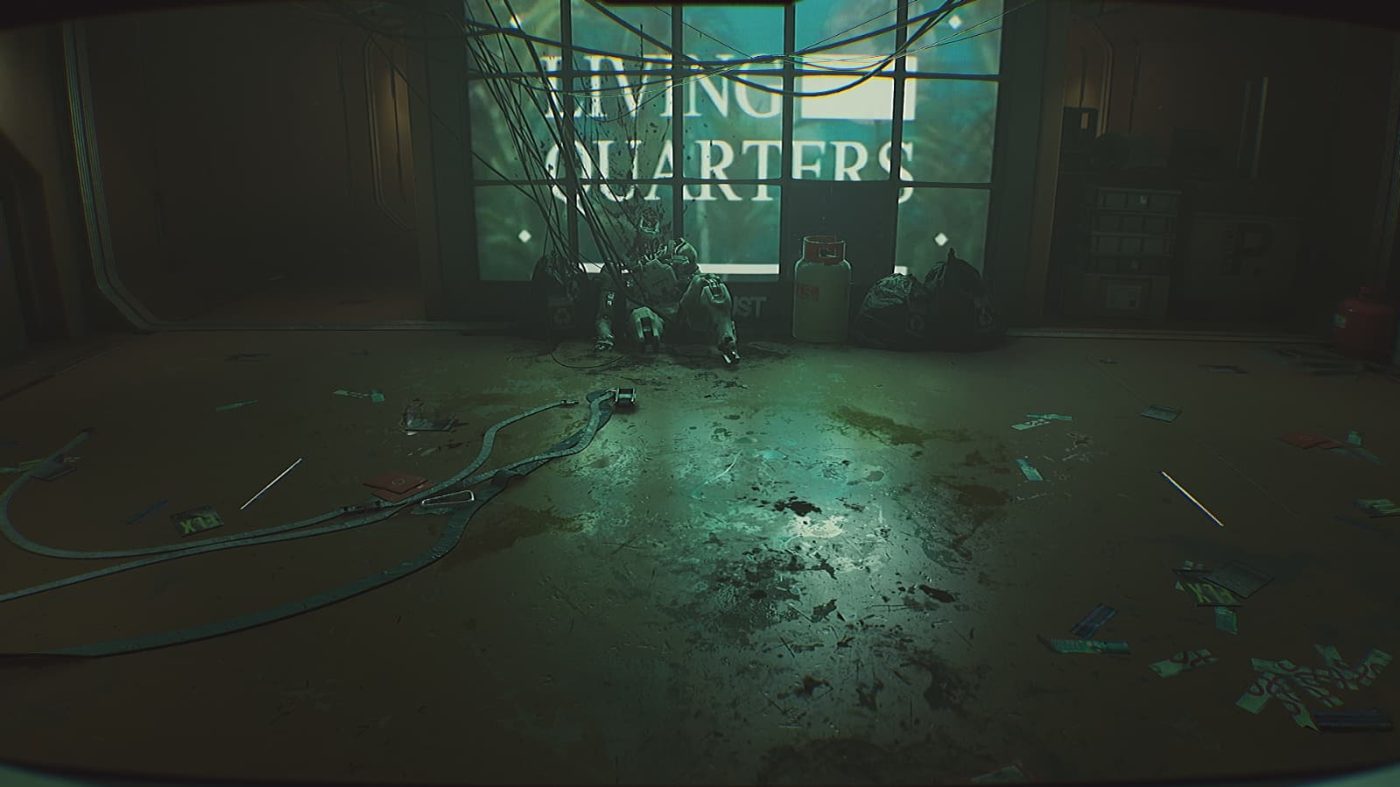
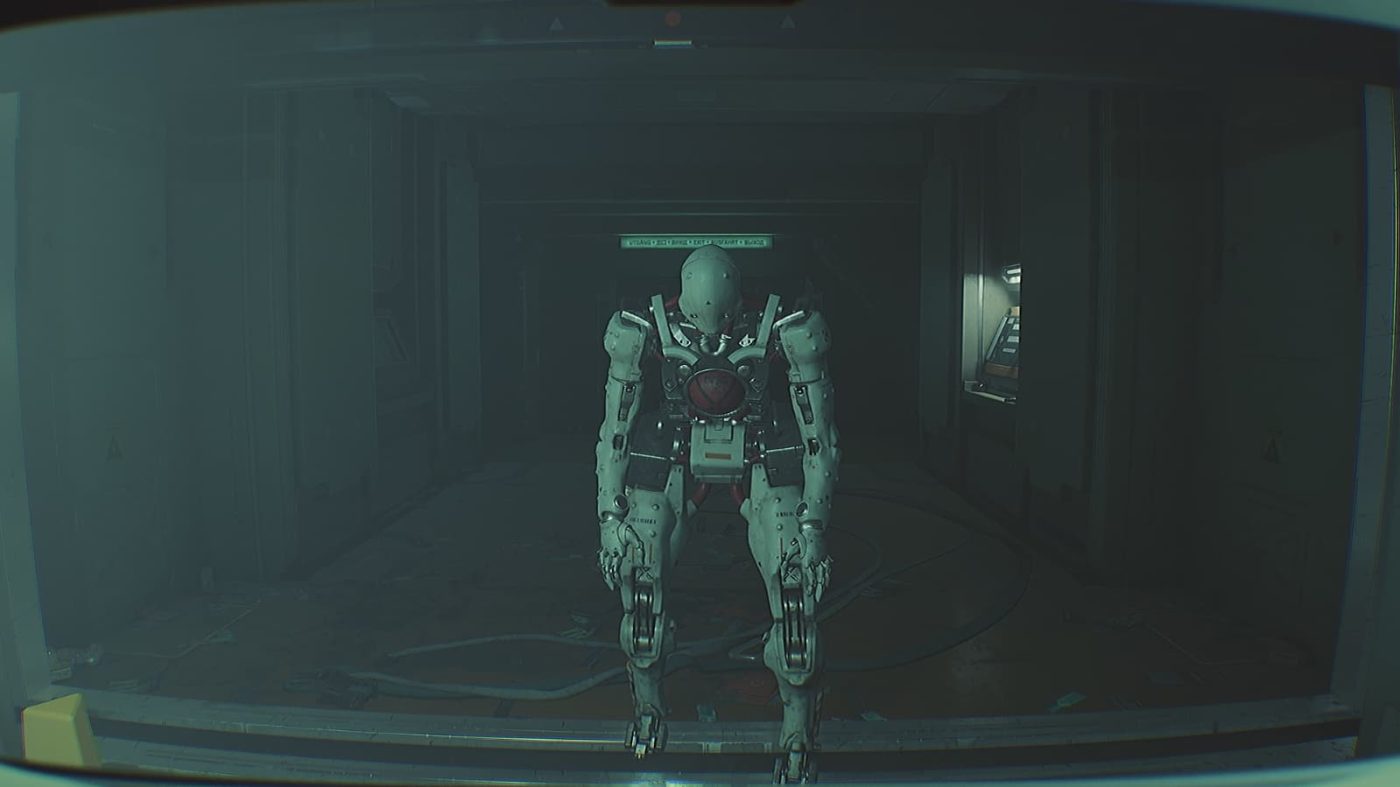
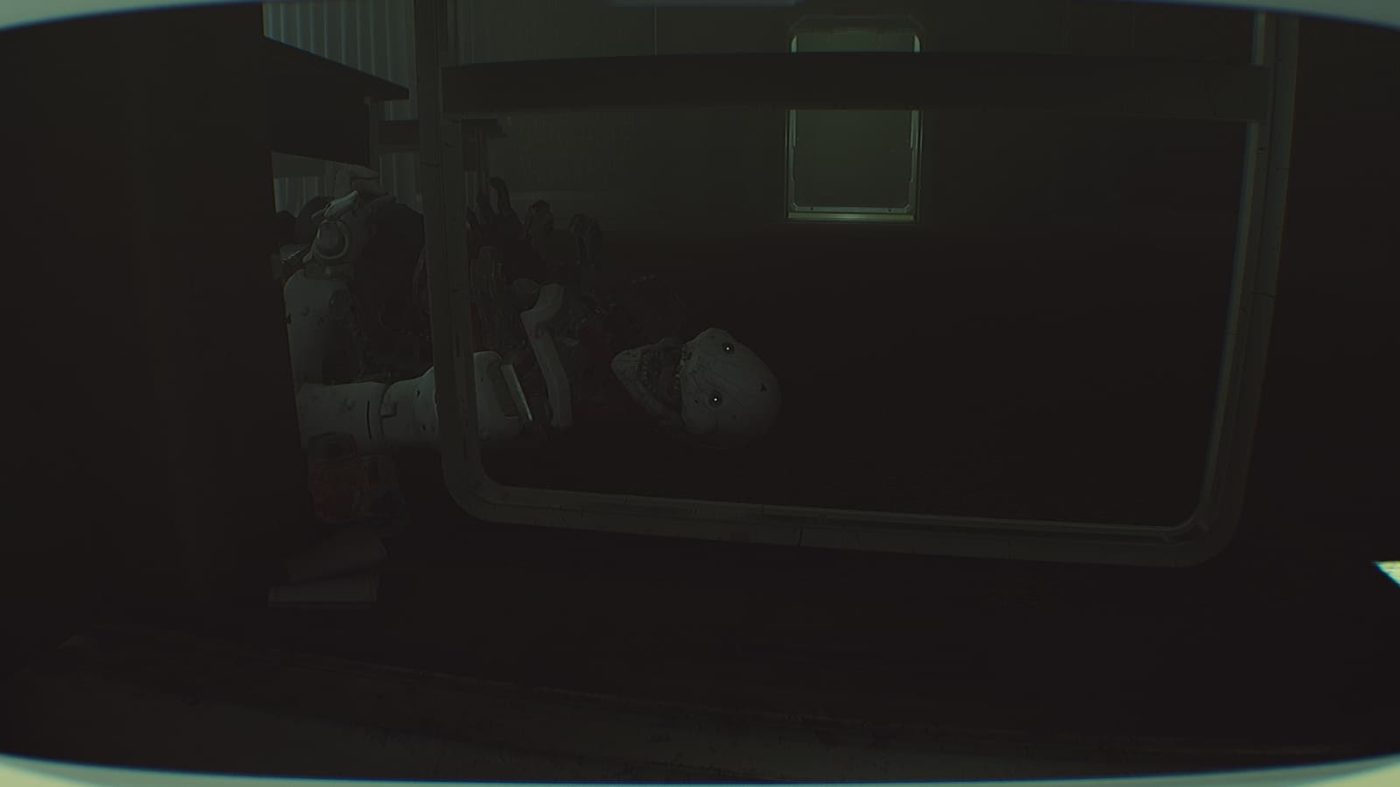
The environmental art direction is defined by exceptional cohesion and attention to detail. Corridors, control rooms, maintenance zones, and living quarters are composed as silent narrative spaces, each suggesting both its original function and the traces of its gradual abandonment. Scratched panels, worn surfaces, scattered debris, and objects left in seemingly incidental positions contribute to a convincing sense of lived-in realism, grounding the setting in physical credibility before confronting the player with its desolation. This design philosophy extends seamlessly to the game’s robotic entities: their strictly utilitarian forms, devoid of decorative excess, are unsettling precisely because of their functional clarity. Designed to serve and protect, they now embody menace, reshaped by systemic failure or unchecked technological deviation.
On a broader technical level, ROUTINE demonstrates a deliberate commitment to optimization and stability, prioritizing visual coherence and consistency over spectacle for its own sake. Animations – intentionally rigid and mechanical – align with the artificial nature of both the environment and its inhabitants, reinforcing a pervasive sense of cold detachment without sacrificing gameplay readability. The user interface is deliberately minimal and predominantly diegetic, embedded directly within the game world: screens, indicators, and tools function as physical elements of the environment, preserving immersion and minimizing disruptions to player engagement. Color design further supports this philosophy, relying on a restrained palette of greys, blues, and muted greens, occasionally punctuated by emergency lighting and alarm signals that draw attention and heighten tension.
Taken as a whole, ROUTINE’s technical execution and art direction convey a focused and mature artistic vision. Rather than overwhelming the player with visual excess, the game leverages its technology in service of atmosphere and narrative, transforming each environment into an active participant in the horror experience rather than a passive backdrop.
When Sound Becomes Space
ROUTINE’s sound design stands among the most sophisticated, cohesive, and essential pillars of the experience, playing a decisive role in defining the game’s identity and sustaining its relentless psychological tension. In a game built around isolation, vulnerability, and the fear of the unknown, audio does far more than accompany the action – it operates as a central narrative and gameplay system, capable of guiding, misleading, and persistently unsettling the player. The near-total absence of a conventional musical score is a deliberate and thematically coherent decision. Rather than relying on music to dictate emotion, ROUTINE adopts a minimalist approach built around ambient soundscapes that convincingly evoke life inside an abandoned lunar station – an environment seemingly animated only by mechanical echoes and the residual acoustics of its former function.
Silence, within this framework, is never neutral or reassuring. It carries a constant undercurrent of tension – a distinctly technological silence, punctuated by electrical hums, distant vibrations, intermittent pulses, and metallic groans that imply systems still operating, but no longer governed by human control. Each space within the station is defined by a carefully constructed sonic identity: confined corridors sharpen and amplify footsteps through metallic reverberation, while expansive areas produce deep, lingering echoes that accentuate emptiness and solitude.
The sound design makes exemplary use of spatial audio, elevating directional perception to a core gameplay mechanic. Noises filtering through walls, ceilings, or distant sections of the station create an acoustic map that often proves more informative – and more unsettling – than visual cues alone. Listening becomes an active, continuous practice, compelling players to slow their movements, pause, and engage their attention fully, as many threats announce themselves through sound long before they come into view.
Robotic enemies and hostile entities are defined by distinctive and profoundly unsettling audio signatures. Irregular mechanical movements, abrasive metallic screeches, distorted servomotors, and erratic electronic pulses convey machines that are not merely threatening, but malfunctioning – unpredictable, unstable, and almost pathological. These sonic cues serve a dual purpose: they heighten tension and dread while providing critical gameplay information, enabling players to assess distance, direction, and, at times, the behavioral patterns of their adversaries.
Music, when introduced, is deployed with extreme restraint and precision, surfacing subtly during moments of heightened tension or key narrative transitions. Rather than overtly manipulating emotional response, these sparse compositions operate on a subconscious level, heightening unease and anticipation without ever becoming intrusive.
Player-driven sound effects – such as doors sliding open, terminals powering up, or tools being operated – are sharp, mechanical, and utilitarian, reflecting the station’s impersonal, industrial character. Even these subtle audio cues reinforce immersion, eschewing superfluous embellishments that could disrupt the meticulously crafted atmosphere.
Survival Through Observation
In ROUTINE, world-building and gameplay are intricately intertwined, with exploration, survival, and environmental understanding coalescing into a single, cohesive, and deeply immersive experience. The lunar station at the heart of the game is far more than a static backdrop; it functions as a living, complex entity – once active, functional, and inhabited, it now stands as a hostile, silent environment imbued with subtle, menacing presences.
Every area of the station communicates its former purpose, from residential quarters and control rooms to laboratories and service corridors. Players are tasked with reconstructing the station’s history through careful observation, cultivating a sense of mystery and actively involving them in the narrative, rather than positioning them as passive spectators.
From a gameplay perspective, ROUTINE embraces a deliberately measured pace, prioritizing careful exploration and the management of tension over frantic action. Players remain consistently vulnerable, with limited resources and defensive tools, a design choice that heightens the sense of precariousness and incentivizes the avoidance of direct confrontation whenever possible. Mastery of the environment is paramount: understanding the station’s layout, identifying escape routes, locating hiding places, and charting alternative paths are all essential skills for survival.
Observation and listening are core to the experience, making movement a strategic act. Impulsive actions can attract unwanted attention, while enemies act as persistent, influencing presences that shape the player’s engagement with the environment. Interaction with the station is seamlessly integrated into the world-building: terminals, control panels, doors, and security systems are not merely gameplay mechanics but intrinsic elements of the environment, reinforcing the sense of inhabiting a complex, functional, and immersive technological structure.
Level design supports non-linear exploration, with interconnected areas that gradually open up, encouraging players to revisit previously explored spaces in light of new tools or information. This structure fosters spatial continuity and coherence, enhancing the station’s believability as a tangible, lived-in location. Narrative content is conveyed almost entirely through environmental storytelling rather than dialogue or exposition, rewarding patient and attentive players with a richer understanding of the world.
Ultimately, ROUTINE fuses gameplay and world-building to deliver an experience defined not by mechanical variety, but by immersive atmosphere and sustained tension. Exploration evolves into a deliberate, purposeful act, where every step carries weight and each environment reinforces the unsettling reality of navigating a space that should no longer exist. The result is a world both oppressive and compelling, meticulously crafted to draw players into its haunting, immersive logic.
For Those Who Read Between the Lines
Any critical assessment of ROUTINE must begin by recognizing its distinctly auteur-driven vision and its deliberate refusal to compromise – both in gameplay and artistic expression. The game does not aim to appeal to all audiences, nor does it conform to mainstream conventions, making it inherently divisive yet consistently memorable.
One of ROUTINE’s greatest strengths lies in the absolute coherence of its vision. Every element – from pacing and resource management to environmental design, from soundscapes to the meticulous use of silence – is calibrated to cultivate slow-burning, oppressive, and profoundly psychological tension.
This uncompromising approach, however, carries consequences that some players may perceive as limitations. The deliberately measured pace, the absence of explicit guidance, and the emphasis on cautious, methodical exploration demand patience and attention – qualities not all players are accustomed or willing to exercise.
From a gameplay perspective, ROUTINE consciously eschews a wide array of mechanics in favor of a focused, tightly integrated set of interactions. While this reinforces immersion, it may generate a sense of repetition in later stages, particularly for those seeking more overt progression or varied challenges. The survival system – anchored in persistent vulnerability and scarce resources – effectively sustains tension, yet can feel punitive or frustrating when failure stems from threats that are difficult to anticipate or situations that escalate unexpectedly.
Narratively, the game’s highly environmental and fragmented storytelling is among its most compelling features, but it requires considerable interpretive effort. Players reconstruct events by piecing together dispersed visual and auditory cues. While this approach heightens the sense of mystery and alienation, it may leave players accustomed to explicit or guided narratives feeling unfulfilled.
From a technical and aesthetic standpoint, ROUTINE exhibits exceptional solidity and a clearly defined artistic vision. Its minimalist, retro-futuristic design – stripped of superfluous spectacle – may appear visually restrained, particularly when contrasted with titles that favor immediate, high-impact visuals. This restraint, however, is deliberate, fully consistent with the game’s themes, and reinforces a strong, instantly recognizable identity.
Any assessment of ROUTINE must take its deliberate positioning into account: this is not a horror game built on quick thrills or cheap jumpscares. It is an experience defined by psychological tension, deliberate pacing, and sustained unease. The game demands focus, patience, and active engagement, rewarding players with moments of profound emotional and immersive intensity. What some may perceive as limitations are less design flaws than the result of bold creative choices – decisions that may reduce accessibility but ultimately reinforce the game’s coherence, depth, and artistic integrity.
ROUTINE
PRO
- Immersive, cohesive atmosphere;
- Exceptional sound design;
- Environmental storytelling and deep themes;
- Consistent and purposeful art direction;
- Graphically compelling;
- Remarkable lighting management;
- Integrated exploration and world-building;
- High-level psychological horror.
CON
- Deliberately slow pacing;
- Fragmented storytelling;
- Limited gameplay variety;
- High difficulty and vulnerability;
- Low accessibility;
- Minimalist audio and visuals.


7/10